Andrew_Trayfoot
Well-Known Member
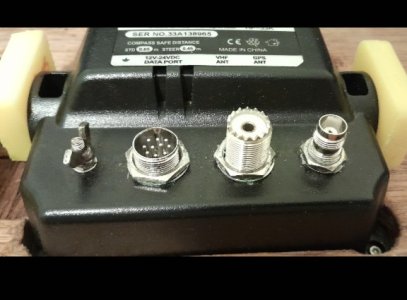
Can anyone point me at the correct BNC plug for my GPS antenna.
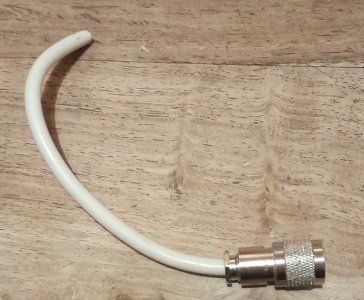



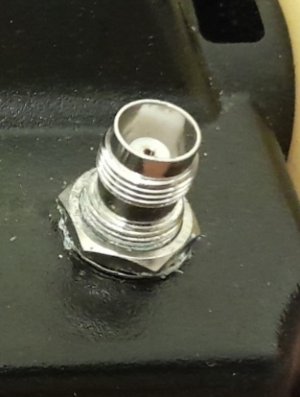
It's not a Bayonet NC, there's no bayonet fitting. Could be a TNC or similar.No it's definitely a BNC.
I need to know the correct impedence for a GPS antenna.
View attachment 169051

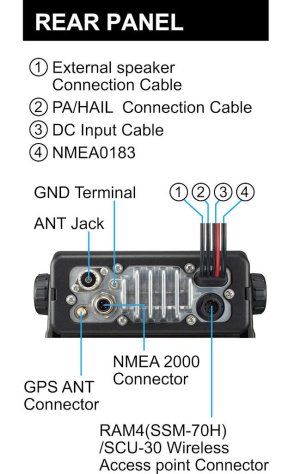


Both my GPS and AIS devices came with BNC connectors for the aerial inputs. Is the BNC the only one that can be used for either?The title of your thread says "Correct BNC Connector for AIS Antanna" but your post says "Can anyone point me at the correct BNC plug for my GPS antenna".
They work on completely different frequencies and the connectors differ for this reason. Boats (inc my own) seem to have whatever is handy at the time used which is not always correct. Which one do you need? AIS or GPS?
AIS = VHF = BNC, or N Type (B&G use PL/S259s)
GPS = UHF = SMA
My guess is you'll have to use the opposite sex of whatever the manufacturer chose to fit on the device. Fitting adaptors is a waste of money. Generally BNC connectors are only used up to about 500MHz. GPS signals are around 1,200-1,600MHz.Both my GPS and AIS devices came with BNC connectors for the aerial inputs. Is the BNC the only one that can be used for either?


I think you mean GPS are around 1.6 GHz (ie no 1600 Mhz). Some use 1.2 GHz as well.My guess is you'll have to use the opposite sex of whatever the manufacturer chose to fit on the device. Fitting adaptors is a waste of money. Generally BNC connectors are only used up to about 500MHz. GPS signals are around 1,200-1,60MHz.
Guide to RF Coaxial Connectors and Cables - AR RF/Microwave Instrumentation - AR Modular RF - Sunar RF Motion - AR Europe - WP
Getting confused now, are you Metalicmike or Andrew Trayfoot?There are so many different connections, i have reluctantly concluded that its easier to take it to a suitable retailer as I have bought the wrong one twice

Your first two sentences are accurate.It's not a Bayonet NC, there's no bayonet fitting. Could be a TNC or similar.
It could be 75 ohm or 50 ohm, without the pin dimensions or cable marking it's hard to tell.
77 ohms is the lowest attenuation possible in co-ax, 30 is the maximum power transfer. So 75 is usually used for low loss reception, and 50 (a compromise value) used for transmission. But that's never guaranteed.
I missed a zero at the end of my 1,600MHz which I've corrected but am amazed at the pedantry of this forum .. Ofcom seem to think 1,600MHz is an accepted value for your 1.6 gigsI think you mean GPS are around 1.6 GHz (ie no 1600 Mhz). Some use 1.2 GHz as well.


Not intended to be a pedant; just trying to be helpful.I missed a zero at the end of my 1,600MHz which I've corrected but am amazed at the pedantry of this forum .. Ofcom seem to think 1,600MHz is an accepted value for your 1.6 gigs
View attachment 169078
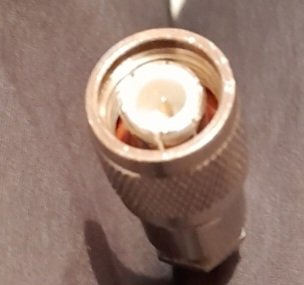
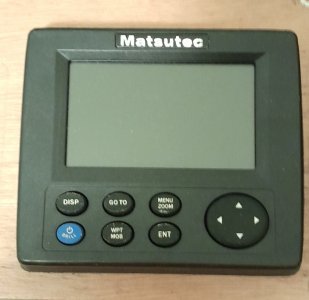
I'm me....Getting confused now, are you Metalicmike or Andrew Trayfoot?


