Tyresome question....

Slowtack

Well-Known Member
Joined
27 Feb 2007
Messages
2,825
Visit site
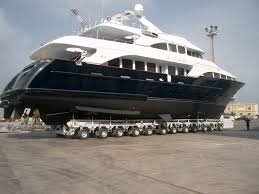
6 ton boat on trailer over winter... Trailer jacked up so wheels are off the ground, not loaded .... For max tyre life... To minimise perishing, cracking...... should they be left fully inflated or at reduced pressure?

 
Before you deflate them (I would) ... can you reinflate them on-site?

Keeping the sun off them will do more for longevity than anything else - don't forget the back
 
I do exactly that on my trailer sailor (jack it up) when at home for winter. I do not/would not consider deflating tyres. As said sunshine is a big killer of rubber tyres. I do not however cover the tyres. Winter is not so sunny and trailer is under cover in summer.
Another reason for me to jack it up is to give easier access to under hull for scrubbing and painting. ol'will
 
Partially inflated, but the perishing is primarily from UV/ozone, not inflation pressure. If you are worried about that then remove or cover them. Otherwise just accept it's new tyres avery 5/10 years and be done with it.
 
Before you deflate them (I would) ... can you reinflate them on-site?

You can buy cheap, reliable, small/neat tyre inflators that can be recharged., they also provide a jump start facility for the car, flashing lights (in case of emergency) and a torch like facility. Every one should consider investing, especially if you are going to deflate the tyres. Ours you can set the tyre pressure, leave it to pump up and it will switch off at the preset pressure. You can also use it for a inflatable dinghy (I believe). I'd quote you a brand - except it would be for the Australian market and not available in the UK.

Jonathan
 
As you take the weight off your tyres then deflating will make no difference to their conformity or life. Generally speaking a tyre in use will be OK for 5 or so years perhaps longer in cooler climates.
Tyres do degrade due to UV but also they age due to the continuing process of vulcanisation and they will become hard and crack ( often mistaken for oxidation / UV degradation) As they age their performance, grip etc will deteriorate.
 
It's an unaswered debate amongst caravanners whether deflating or jacking up makes any difference long term. Some do one or both, others just leave them standing with no apparent ill short or long term effects over the 5-7 years life of the tyre. Experts (the ones who will sell you expensive new tyres!) say tyres should be replaced every 5 years, and are unsafe after 7 years due to UV degredation. And yes we all know Fred at the club who hasnt changed his trailer tyres in 20 years....

I suspect (but am guessing) that distortion of a tyre left standing long term only occurs when the rubber starts to harden with age

Tyre age is determined by a code on the sidewall - google to find the codes.
 
Thanks for your replies....airing this subject has not produced a significant majority opionion....maybe best to do nothing😊
 
You can buy cheap, reliable, small/neat tyre inflators that can be recharged., they also provide a jump start facility for the car, flashing lights (in case of emergency) and a torch like facility. Every one should consider investing, especially if you are going to deflate the tyres. Ours you can set the tyre pressure, leave it to pump up and it will switch off at the preset pressure. You can also use it for a inflatable dinghy (I believe). I'd quote you a brand - except it would be for the Australian market and not available in the UK.

Jonathan


Problem with most electric inflators that are rated to do car tyres are :

Low volume output - meaning a long time to inflate a tyre ...

Most are incapable of inflating a deflated tyre ... if tubeless - cannot provide the volume and pressure needed to get cord to seal .. if tubed - will usually overheat due to running too long.

How do I know this ? Its exactly what happened to me ... such that in the end I bought a proper full on compressor ... even that struggled with getting a tubeless to inflate !

They are designmed as 'top-up' inflators .....
 
my tyres are set at 400 psi which I keep. Boat on trailer for the winter, just recovered today.. I Remove one set having jacked uo trailer.. clutters up the garage during the winter. no need to pressurise for recovery this winter.
 
According to AI....tyres oxidize when exposed to oxygen and become brittle....even if properly stored. And they recommend changing them at tens years of age....which is also a legal requirement for some classes of vehicles....but not all
 
According to AI....tyres oxidize when exposed to oxygen and become brittle....even if properly stored. And they recommend changing them at tens years of age....which is also a legal requirement for some classes of vehicles....but not all
I have seen reports of some US research that suggests some tyre degradation is due to atmospheric oxygen and that this would be reduced by an inert gas fill, so I might delate them if I had a good pump, but even if nitrogen filled, oxygen will still diffuse into the tyre anyway, so any benefit is likely to be very small.

Ozone snipping of polymer chains at the tip of cracks also seems likely to be promoted by internal pressure putting them under tension and giving more access to the ozone.

Maybe try boot polish on them.
 
Latvia has an age limit reccomendation of 5 - 6yrs on tyres in fact - especially winter tyres. But Inspection rarely checks age marking .. BUT if they see any cracking or age related signs on the tyre - its failed.
 
I have seen reports of some US research that suggests some tyre degradation is due to atmospheric oxygen and that this would be reduced by an inert gas fill, so I might delate them if I had a good pump, but even if nitrogen filled, oxygen will still diffuse into the tyre anyway, so any benefit is likely to be very small.

Ozone snipping of polymer chains at the tip of cracks also seems likely to be promoted by internal pressure putting them under tension and giving more access to the ozone.

Maybe try boot polish on them.
Twaddle
 
I have seen reports of some US research that suggests some tyre degradation is due to atmospheric oxygen and that this would be reduced by an inert gas fill, so I might delate them if I had a good pump, but even if nitrogen filled, oxygen will still diffuse into the tyre anyway, so any benefit is likely to be very small.

Ozone snipping of polymer chains at the tip of cracks also seems likely to be promoted by internal pressure putting them under tension and giving more access to the ozone.

Maybe try boot polish on them.

What you put inside the tyre will make little difference ... honestly.

You only have to look at tyres on other gear that often have foam or solid infill .. the outer tyres still crack and deteriorate...

I accept that the compund may be different in the 'rubber' used ... BUT ...

You cannot actually use all USA data in tyres for one simple reason :

USA does not use same formula compound in its tyres as in EU / UK for example. The compound used is determined by the region they are sold in ... nothing to stop you using other regions tyres - but the life etc will be affected.

Its why USA tyres squeal more than UK tyres do ...
 
Top