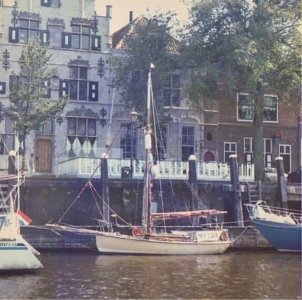
Very nice boat to finish here...

You really do not get it. £25k is 2.5 times your guess. My £50k (which includes the purchase price of £10k) was for a boat finished to a high standard for cruising NOT a sailaway. I directed you top the boat for sale at Woodenships to give you an indication of what a well equipped cruising boat looks like - and just the gear would add £10-15k to a "sailaway" boat. £25k would just about cover materials only, mast. rigging, sails, deck gear, winches, pulpit, pushpit, stem head, anchor and chain, electrics, lighting plumbing and finishing the engine installation. In other words enough to get the boat in sailing condition and capable of passing a survey for insurance.

This is what I said on the first page:

"............could, be in the water mid April at an additional cost of maybe 10k. It's a boat to keep for a very long time, any fancy work can be done at leisure."
Because you:

Get a season of pottering
Can deliver to a home port without transport cost
Tease out what you really feel needs to be done
Avoid getting yard bound with trivia
Get the wooden hull quickly in the best place - on the water
- and home port is where you have contacts, facilities and, for some of us, workshops on the doorstep.

You chose to make the usual song and dance about it. The advantages are obvious and commented on in a number of subsequent posts.


.
 
The broker doesn’t tell us what any wooden boat owner wants to know before getting in a car and going to look:

Iron or lead keel?
Steel strap floors or grown oak or laminated or cast bronze?
Real teak decks or “teak over ply” (far more likely) and if so, how?

These are the really important things to know.

No pictures of the bilges or of the deckhead.

The sails and spars are easy: I drew this rig and made the spars and the fittings for them in 1977 and she is still using them now, four owners and a lot of miles later:

IMG_1410.jpeg

Laurent Giles fiddled around with their stock drawings quite a bit; the Vertue changed over time and so did the Wanderer. In particular the stock Wanderer carries more beam than Eric and Susan Hiscock’s original lead mine which is known to be a champion roller - the beam was restricted because builders quoted by Thames tonnage. If the IBBTC said she’s a Wanderer, that’s what she is.

Iroko planking is very good and the bits we can see look properly put together.

But before getting too carried away, Richard Gregson (who does know his wood construction!) has this Holman Sterling on offer at the same price for a fitted out “going concern”:

Kim Holman Sterling Sloop | Classic Cruising Yacht For Sale
 
Last edited:
Hiscock made reference to Wander rolling compared to Dr Pyes old converted fishing boat that never rolled beyond the vertical and enabled the crew to arrive relaxed whereas Hiscock was exhausted……according to his book
 
The broker doesn’t tell us what any wooden boat owner wants to know before getting in a car and going to look:

Iron or lead keel?
Steel strap floors or grown oak or laminated or cast bronze?
Real teak decks or “teak over ply” (far more likely) and if so, how?

These are the really important things to know.

No pictures of the bilges or of the deckhead.

The sails and spars are easy: I drew this rig and made the spars and the fittings for them in 1977 and she is still using them now, four owners and a lot of miles later:
The broker will put you in touch with the surveyor who was supervising the owner (and doing some of the work). He will tell you exactly how it is built - by the the School at Lowestoft. There is no doubt about the quality of the work so far. The question is whether there is a buyer with both the skill and the money to finish it to the same standard.
 
Top