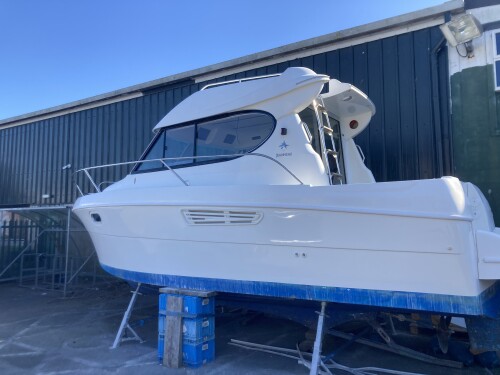
Small refit Merry Fisher 805

If you get water between the liner and the hull it's an arse to get rid of, it sloshes fore and aft and the bilge pump doesn't get it out. There are some holes under the engine, 2 or 3 inches in diameter, i discovered these after washing the engine compartment and getting lots of water under the liner
:confused: Go on the plane it rushes to the transom, slow down is heads for the bow. Had to use a portable electric bilge pump in the space at the transom whilst on the plane.

The bilge pump filter is in a stupid place, i fitted on in the lazarette instead.
What about an engine oil extractor pump
 
If you get water between the liner and the hull it's an arse to get rid of, it sloshes fore and aft and the bilge pump doesn't get it out. There are some holes under the engine, 2 or 3 inches in diameter, i discovered these after washing the engine compartment and getting lots of water under the liner
:confused: Go on the plane it rushes to the transom, slow down is heads for the bow. Had to use a portable electric bilge pump in the space at the transom whilst on the plane.

The bilge pump filter is in a stupid place, i fitted on in the lazarette instead.
I think I’ve got it all out now. I’ve bought a little diaphragm pump that I wasn’t going to point down into the hull somewhere but think I will wait to see where water actually accumulates first.

I found a Milwaukee wet and dry vacuum is pretty effective at pulling it out.

Will be interested in your thoughts on my wiring diagram shortly, see what I haven’t thought of.
 
So it’s just an isolator then and I could replace it with the Victron one?

The only difference is this one has a specified breaking capacity whereas the Victron one doesn’t. But given there are multiple fuses with sufficient breaking capacity in line anyway that seems a bit irrelevant.

Thanks
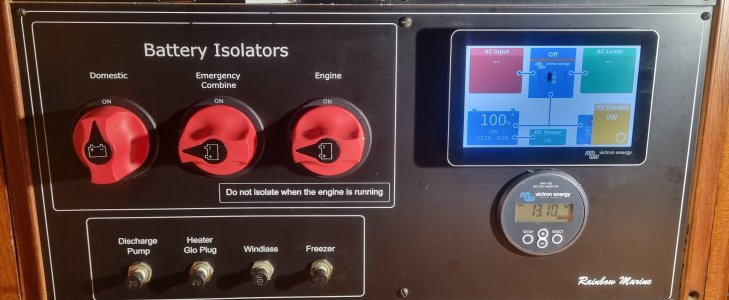
I'd definitely fit matching switches.

Ref the one for the windlass, i would also fit a matching switch, but fit the existing breaker in line, in an accessible place.

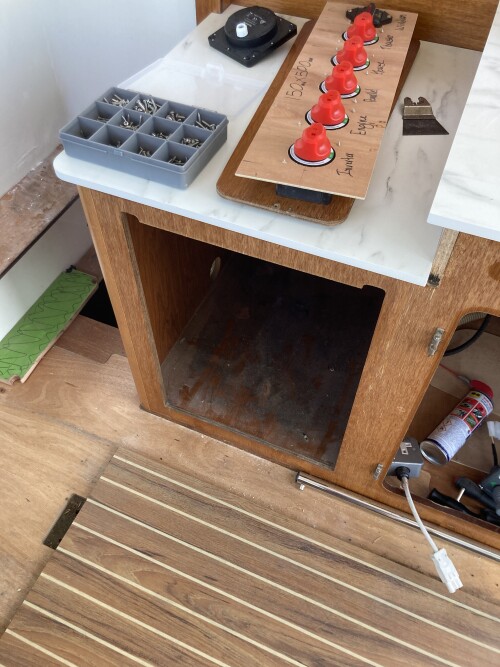
If you're fitting a black perspex panel i assume you'll label the switches. Another option would be a ply panel with a laser engraved over panel. For instance:

20241031_180628.jpg

I design my own panels and get a sign manufacturer to make them, PM me if you want their contact details.
 
I'd definitely fit matching switches.

Ref the one for the windlass, i would also fit a matching switch, but fit the existing breaker in line, in an accessible place.

If you're fitting a black perspex panel i assume you'll label the switches. Another option would be a ply panel with a laser engraved over panel. For instance:

View attachment 193544

I design my own panels and get a sign manufacturer to make them, PM me if you want their contact details.

I could just fit 6 (😂) rotary isolators and then put the circuit breaker for the windlass somewhere else. I guess it tripping should be a very rare event.
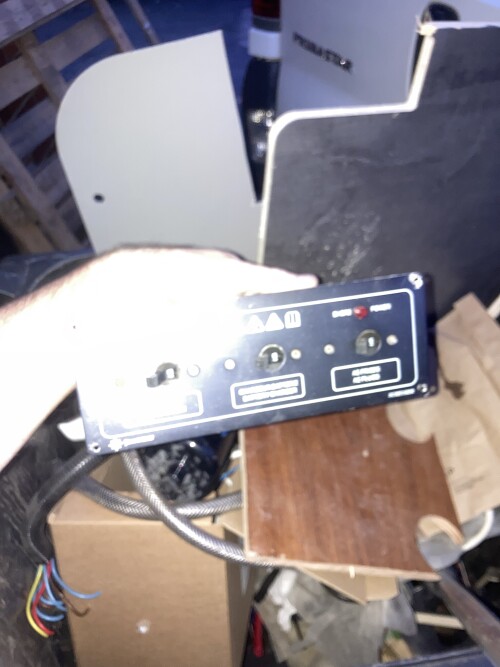
I haven’t decided how I’m going to do the panel. I’m a bit spoilt because in my manufacturing business I have access to cnc, laser and wide format printing. But with great choice comes decision paralysis 😂

Because it’s going to be relatively hard to see under the step I am leaning towards black acrylic and then printing custom vinyl stickers for the labels on the isolators themselves.

I’ve ordered all Carling Contura switches and I’m going to try and laser engrave the covers (ordered blanks) for the dashboard.

I’m not really going to have a tradition ‘electrical panel’ because I’m using Wago DIN rail fuse blocks / terminals. I’ll post draft of the wiring diagram later.

I was going to go all digital switching but I just want to get it finished now so decided against it. The Maretron MPower stuff looked OK but saw some very bad reports about reliability and Maretron seem to be generally on life support atm.
 
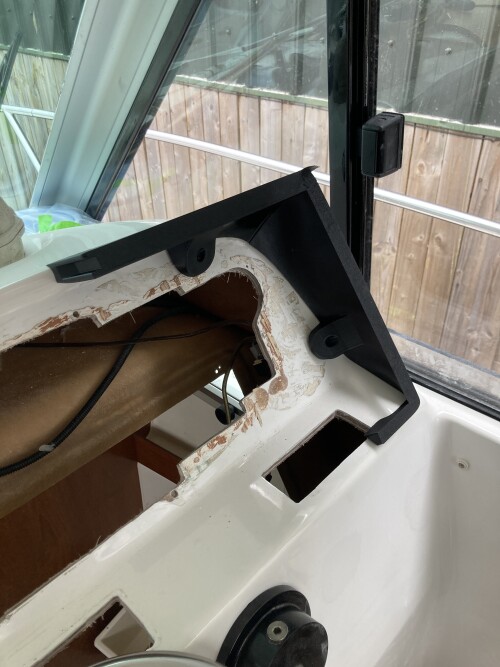
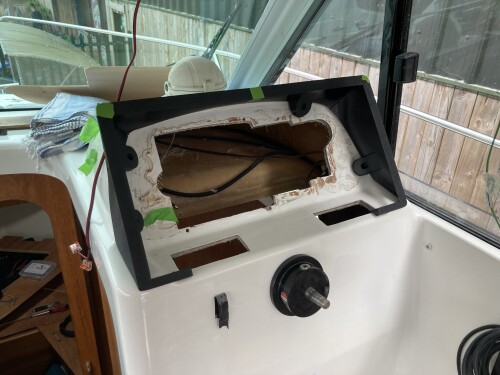
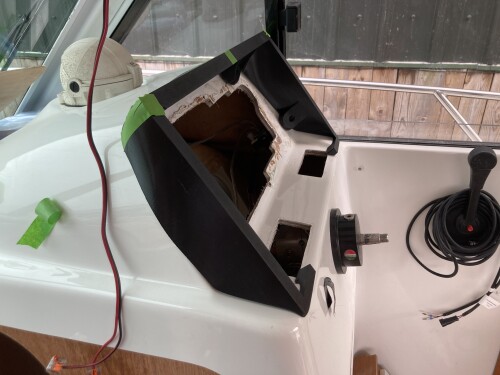
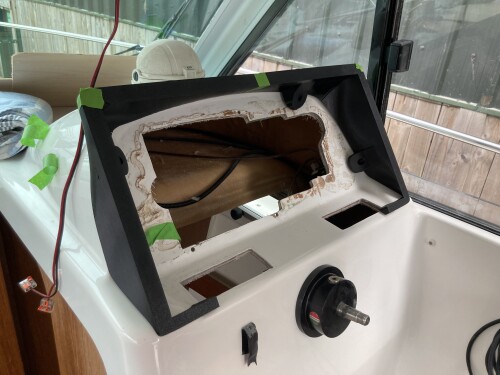
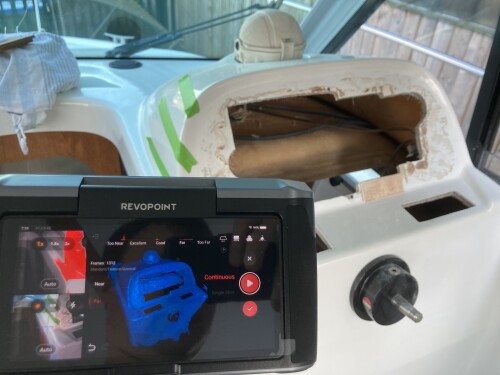
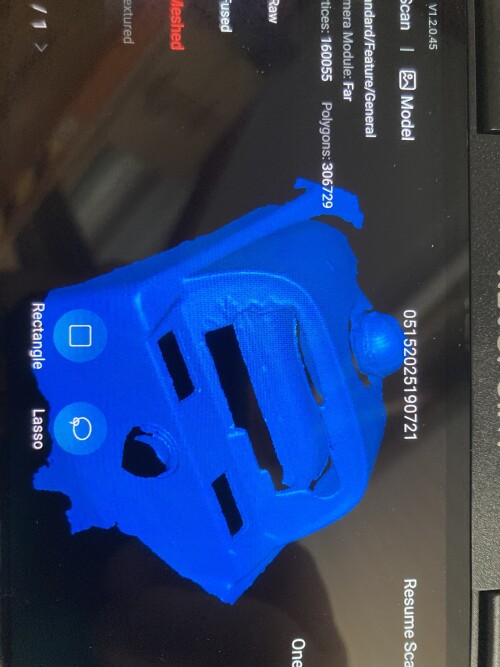
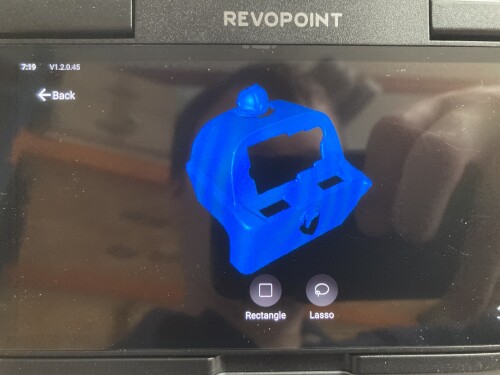
Started by 3D scanning the helm console ready to make a new dashboard to accommodate a much larger touch screen running TimeZero.


Dimensionally accurate to within 0.5mm or so.


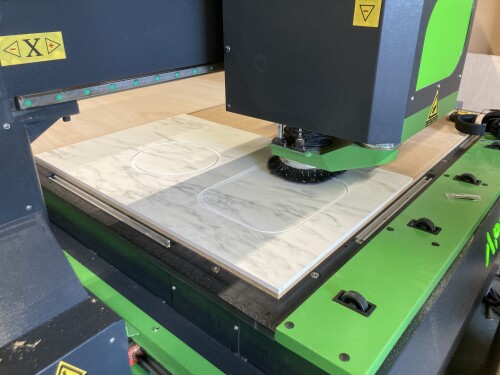
Then cut out the worktop


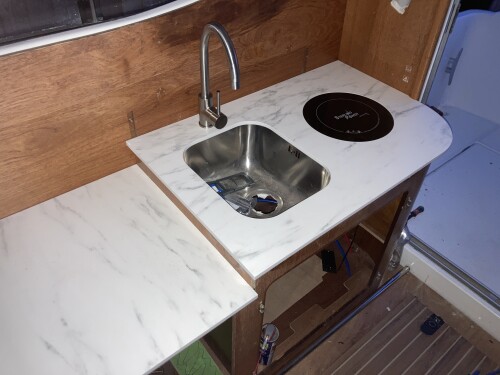
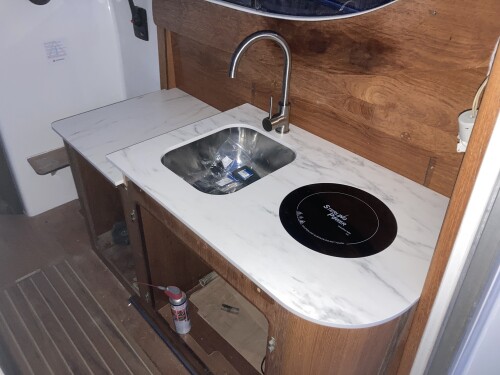
The induction job is recessed so it’s flush with the surface.


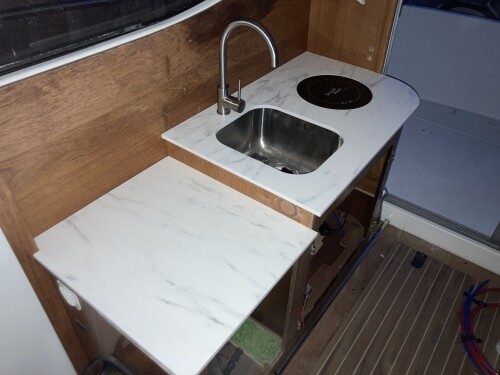
Fits perfect


I will make a wooden block to go over the sink. I wish the induction hob didn’t have branding on it, may see if I can remove it.


Flip up seat needs to be mounted on lower worktop.


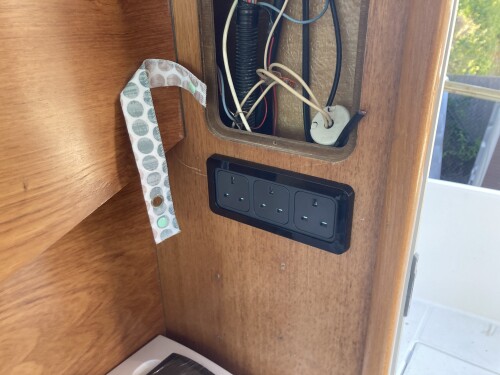
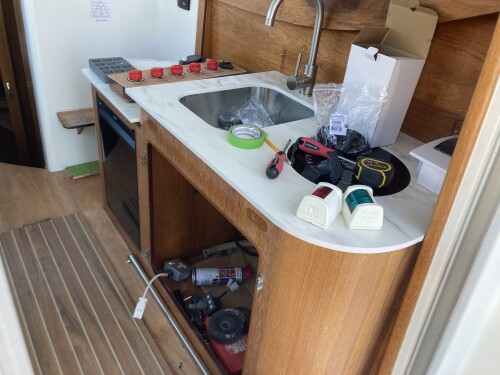
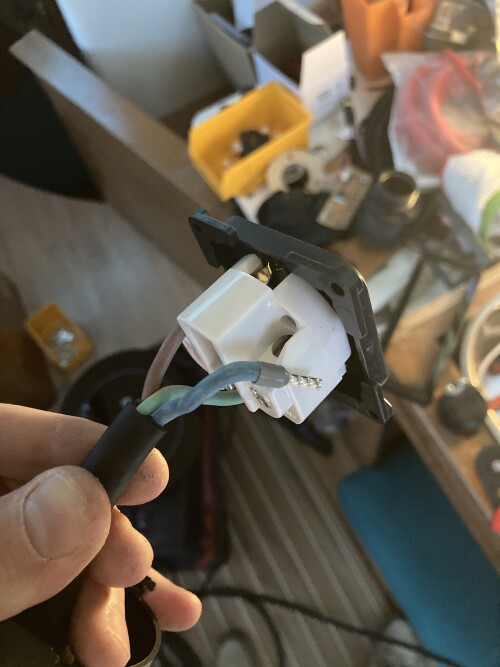
Test fitted new sockets, not actually having 3 sockets here but a dual light switch, fcu for the hob and a 13A outlet.


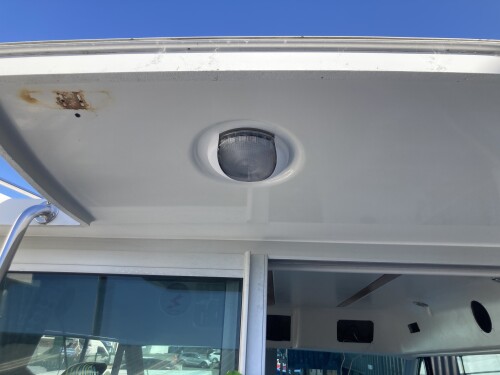
Fitted a new Hella Euroled 130 for the outside light.


Fitted a socket down here as well to check the fit. This one has USB


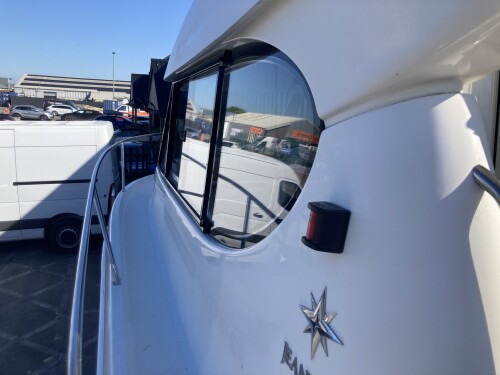
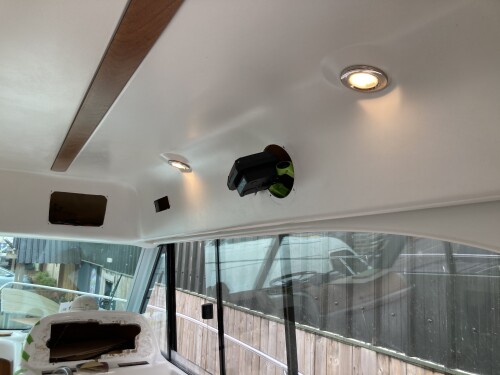
Swapped the nav lights for black ones to match the windows


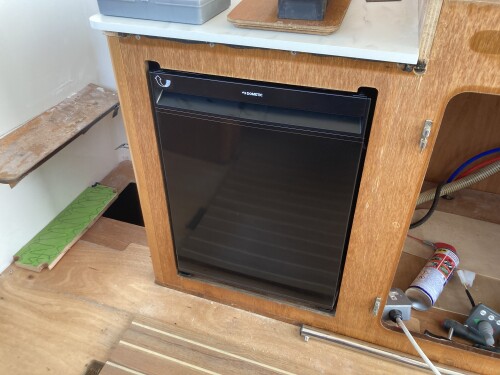
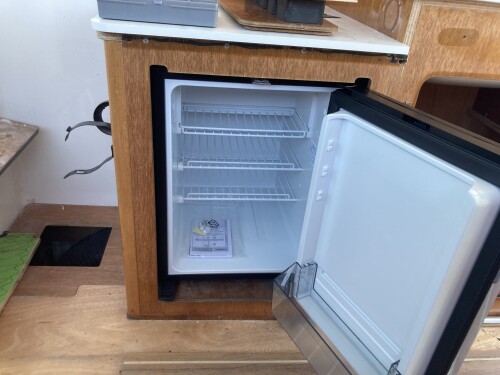
Fitted a new fridge


Need to swap the door to the other side.


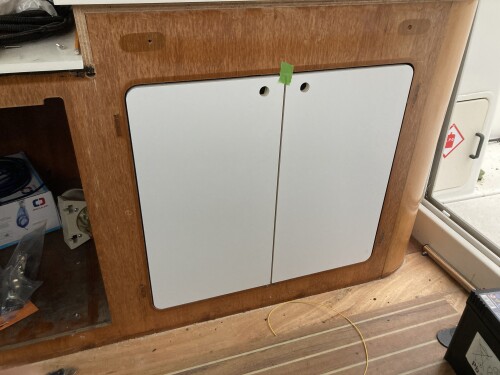
Still need to redo doors.


It’s certainly starting to look more modern.


Hoping to get it finished in the next couple of weeks…
 
The work surface (corian?) on top of the fridge….can you attach the pilots chair runners on it ?
 
The work surface (corian?) on top of the fridge….can you attach the pilots chair runners on it ?

The seat in a MF805 is only attached at the front to two hinges and flips up so you can use the worktop underneath.

I think it will be fine, if it cracks I will just cut a new one and come up with a different plan.
 
Making fast progress now, the end is in sight.

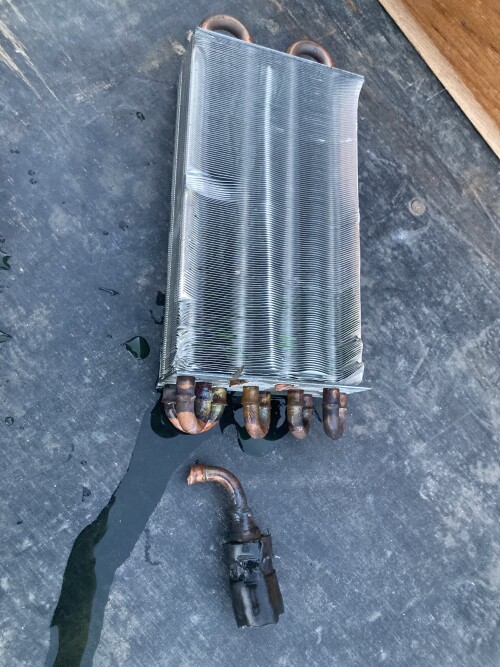
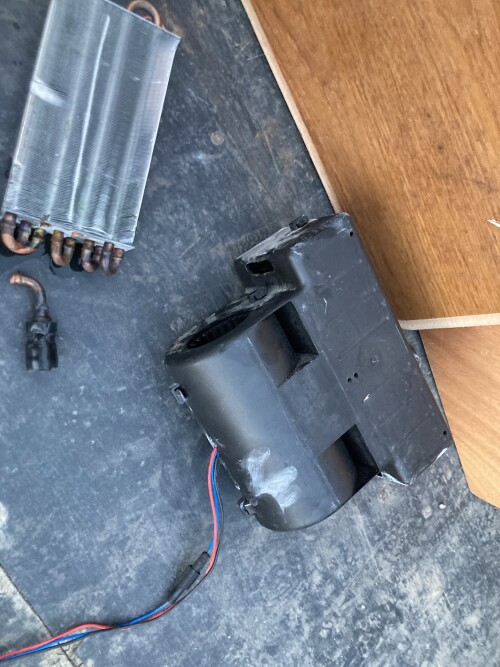
In an 805 there is this silly heat exchanger thing that is meant to demist the windows from the engine heat. But it seemed crap and it was in an impossible to access location.

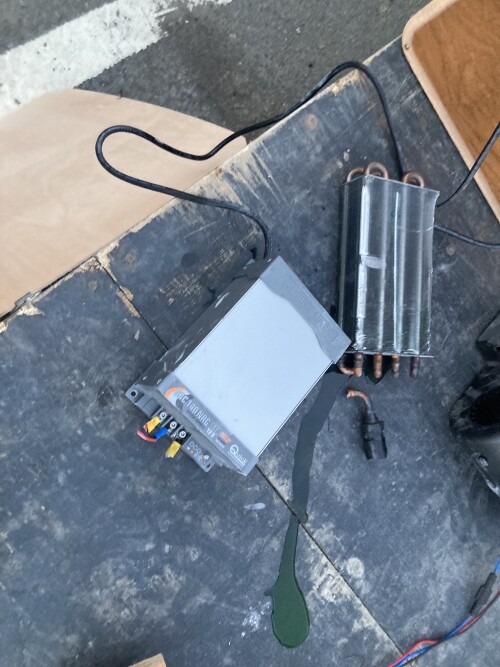
I decided to rip it out and plumb the demisters into the Eberspacher circuit. I’m glad I pulled it out because as soon as we touched it it basically fell apart. Glad that didn’t happen at sea as it would have dumped all the engine coolant in the bilge.


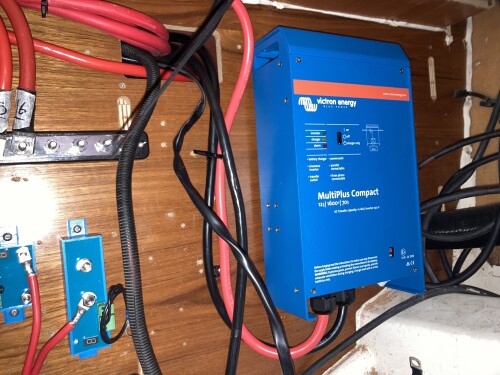
Also pulled out the old Quick charger as that won’t be required with the new Victron Multiplus.


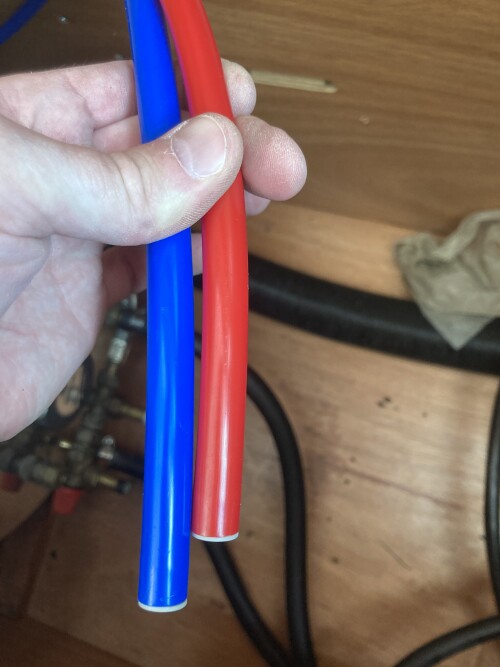
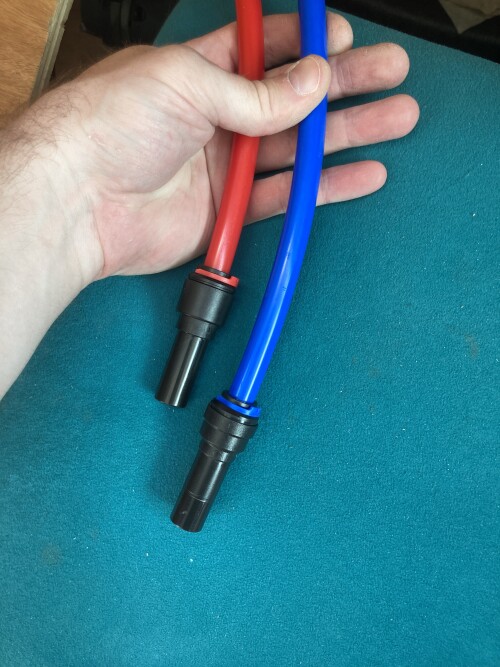
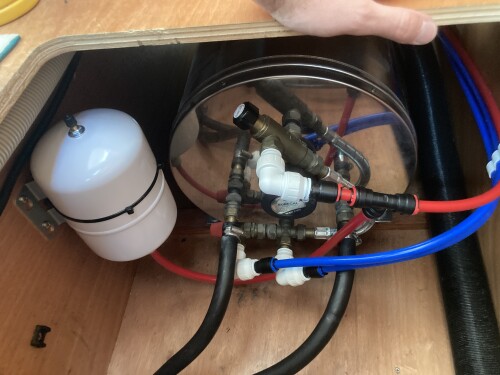
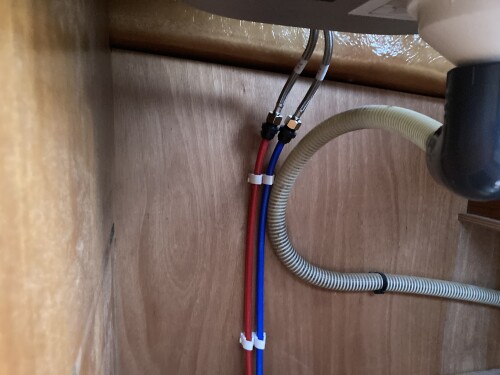
Then started on plumbing. I decided on the John Guest 12mm. It’s much more expensive than 15mm plumbing but I decided the extra flexibility, smaller size and minimising the amount of hot water that would sit in the pipes was worth it.


Fitted everything with the little support plugs and the lock rings.


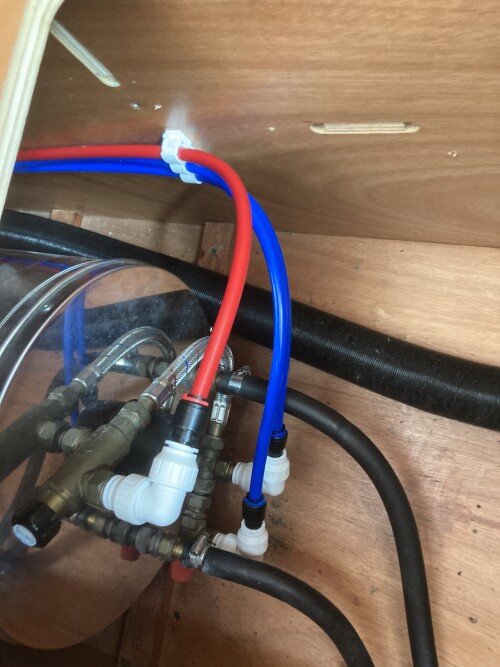
Plumbed up the calorifier. The old cushions have come in useful as things to rest on when contorting yourself into ungodly positions.

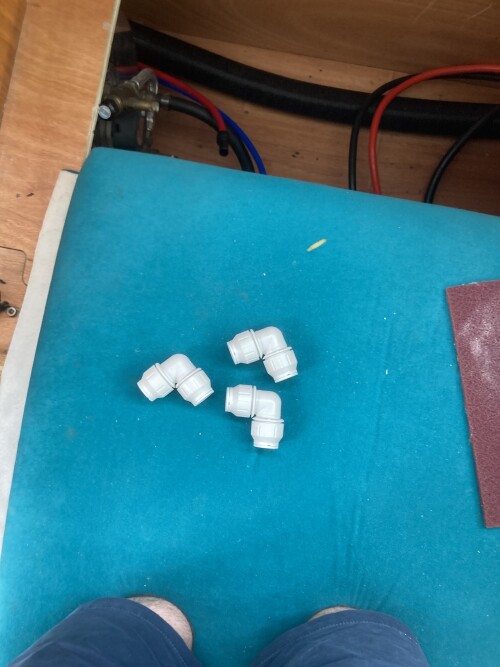
The calorifier has 15mm spigots so had to run to screwfix for some 15mm elbows.


Thought I was done, the second blue pipe is the vent that will go to a through hull.


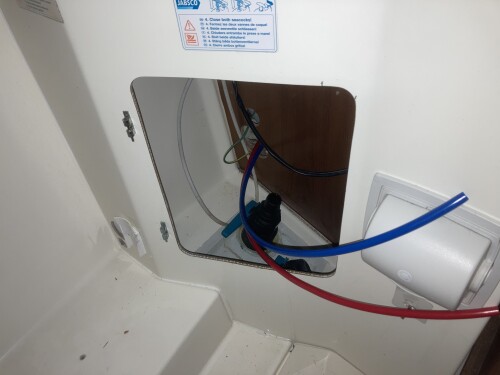
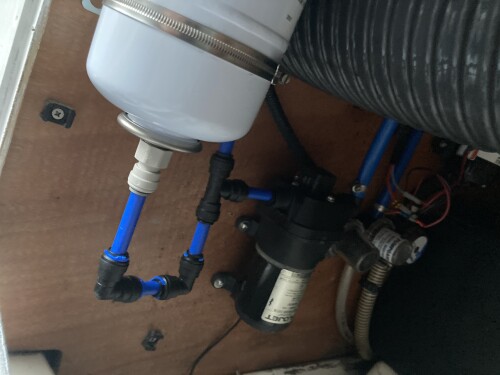
Then realised I had forgotten the expansion tank. It has two of these tanks, one on the cold side to take the pump pressure and one on the hot side to take the hot water expansion.

I actually forgot to order two thinking just one on the cold side would be ok, but then realised there is a non return valve in the mixer valve assembly.

The jubilee clip that came with the tank bracket was far too big, need to order one of them.


Not the neatest but it’s better than what was there before.


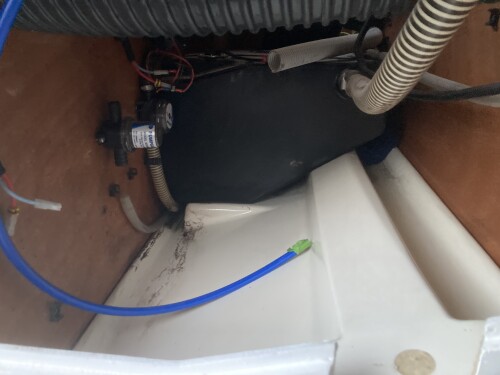
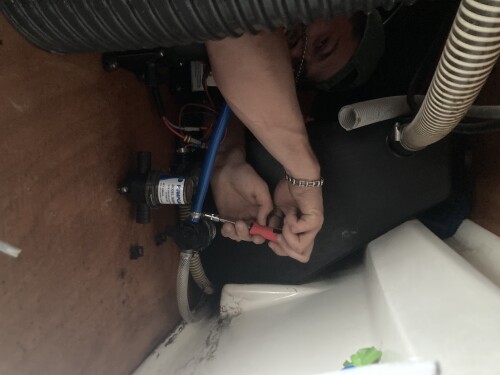
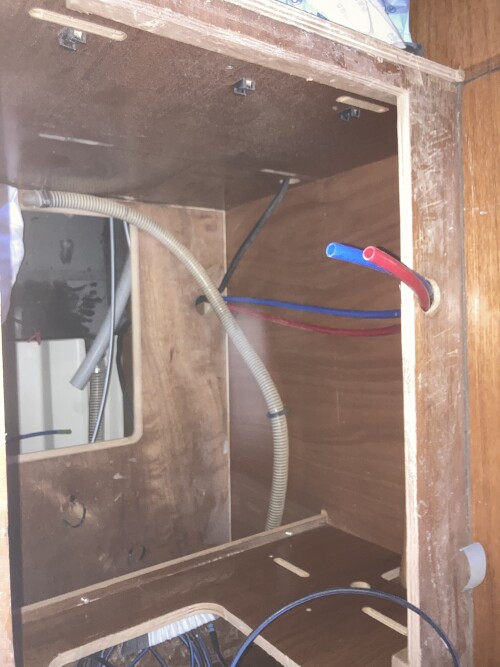
Then started on the water pump zone.


Gave the floor a clean and started redoing the pump filters. I’ve replaced all the fresh water piping other then the feed from the bottom of the tank because there was no way I was pulling the tank out.

But now I think about it maybe the tank outlet is under the helm so I will check that tomorrow.


Working in here requires pretty ridiculous gymnastics


Mostly done, just need some more fitting to connect the pump.


Got hot water in the bathroom, under the sink and for the transom shower. And a hospipe cold outlet in the old gas locker where I will keep a hosepipe for rinsing off.


Ready to put the kitchen back together. Need to paint inside the cupboards first.


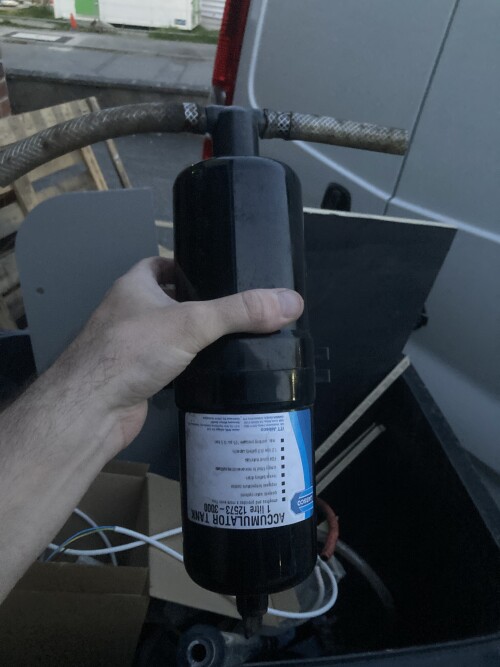
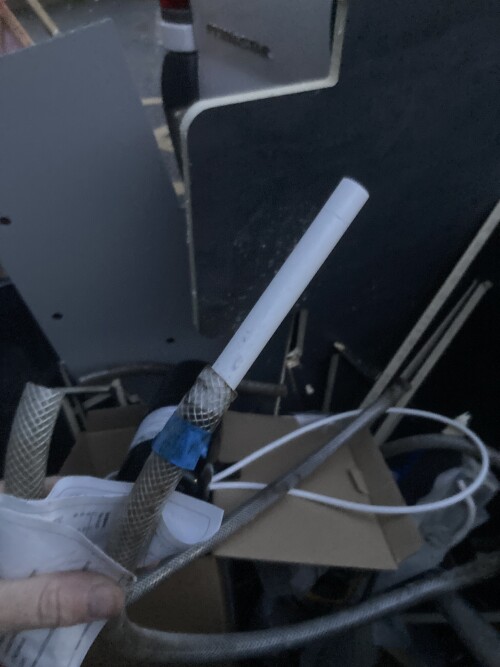
Through this piece of junk away, it doesn’t have a diaphragm and instead seems to rely on a bubble of air. But the bubble seems to dissolve into the water.


Previous owners plumbing


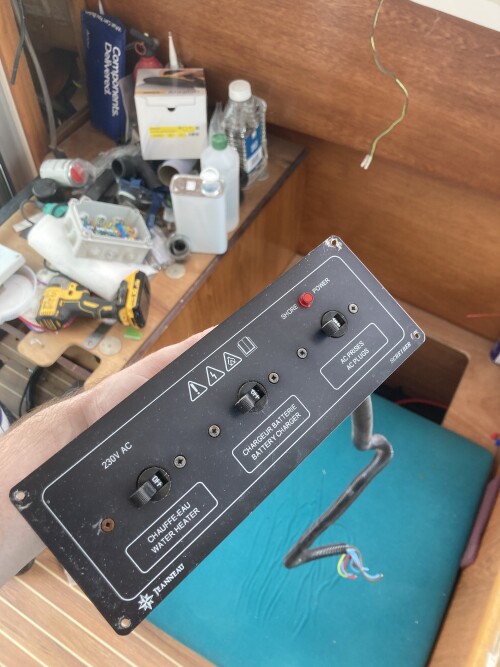
Ripped this stuff out as well, replacing it with a proper consumer unit.


Sure it was good in it’s day.


Ripped all this out as well


Next is finish the plumbing then onto the electrics
Evening Jake, just to ask which brand/model/size of expansion tank/accumulator you fitted on the hot and cold water feeds and where you purchased them? I need to replace my existing ones, given those fitted have seen better days and are now obsolete. As always, your help is much appreciated.
 
Evening Jake, just to ask which brand/model/size of expansion tank/accumulator you fitted on the hot and cold water feeds and where you purchased them? I need to replace my existing ones, given those fitted have seen better days and are now obsolete. As always, your help is much appreciated.

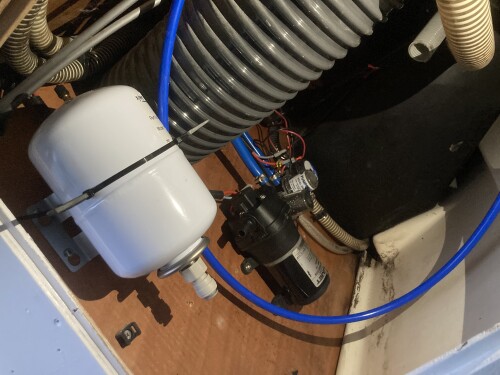
I fitted two of these: Jabsco CW269 Accumulator Tank ITT 2 Litre

They are all basically identical, I suspect you could find them cheaper from a non boaty place.
 
The endlessness continues…

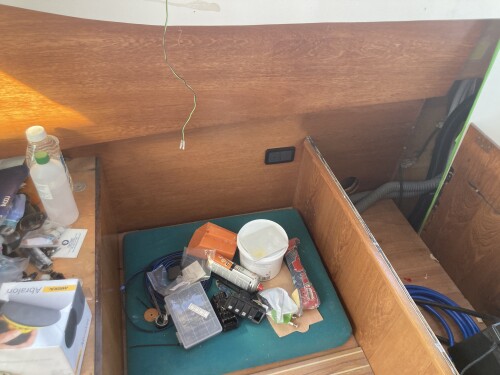
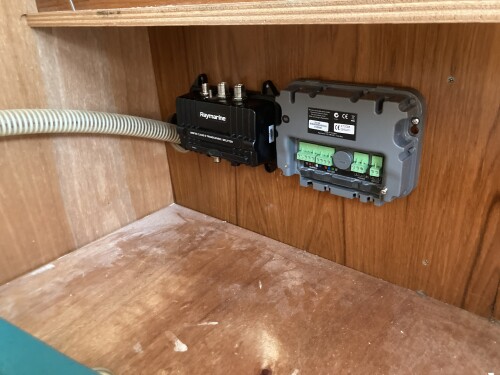
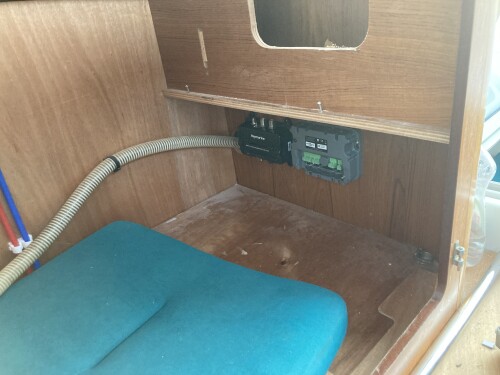
Decided to start mounting some electronics. I’m rapidly running out of space to mount stuff and trying to avoid sacrificing cupboard space so decided to mount the VHF, AIS and autopilot controller in this fairly unusable space inside the kitchen cupboard.


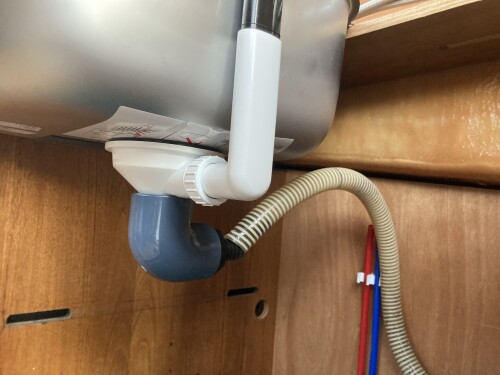
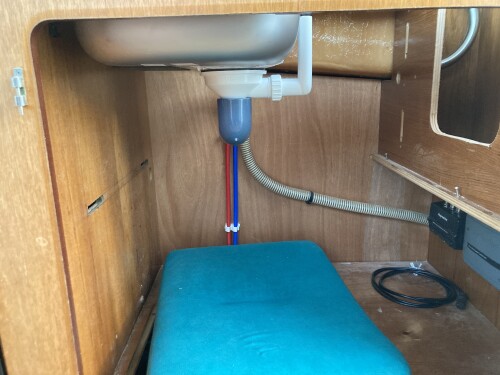
Did some plumbing, converting from a standard domestic strainer to 1” flexible pipe required some interesting fittings courtesy of eBay.


Got the tap plumbed in as well


And finished the pump / accumulator. Still need to fit some of the little clip things.


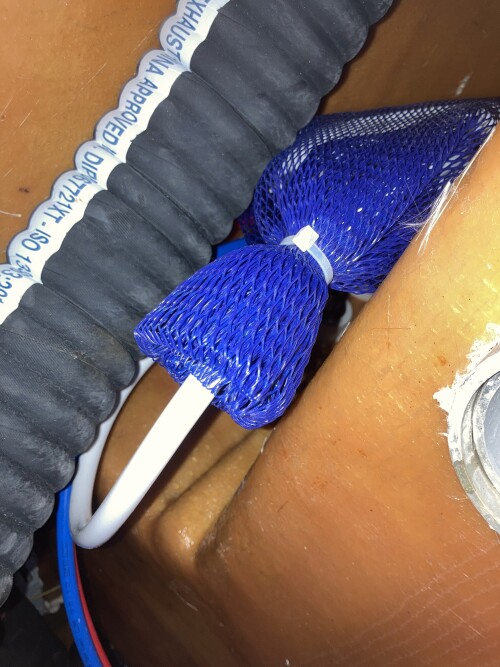
Rubbish photo but bought a net bag thing that the transom shower hose sits in so it doesn’t hang down over the rudder cylinder.


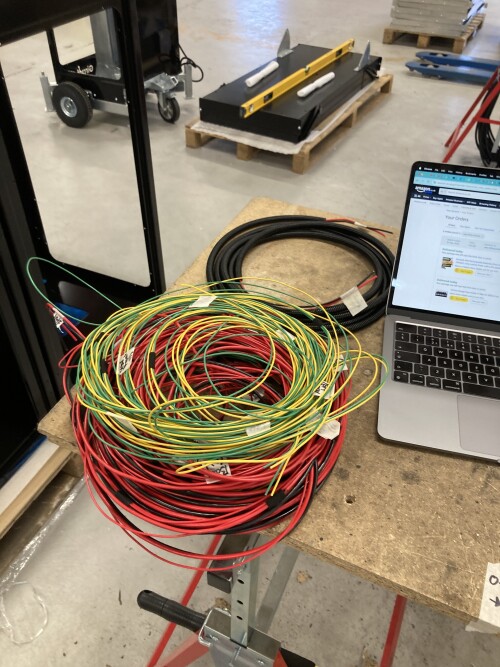
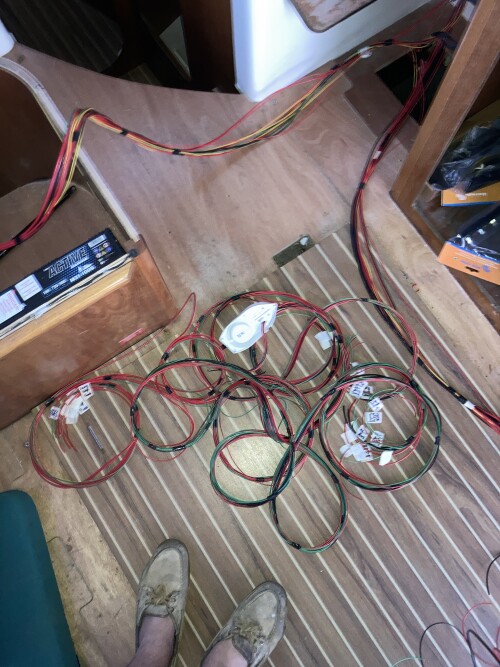
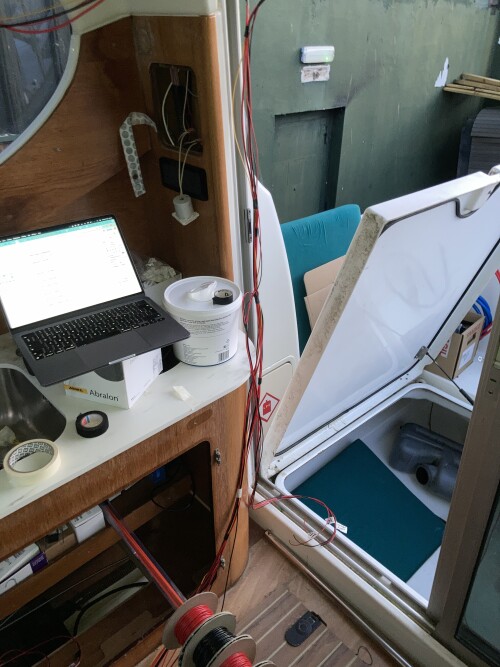
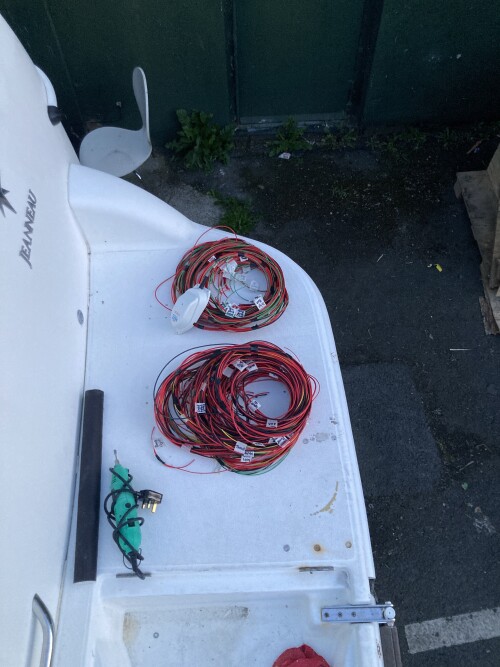
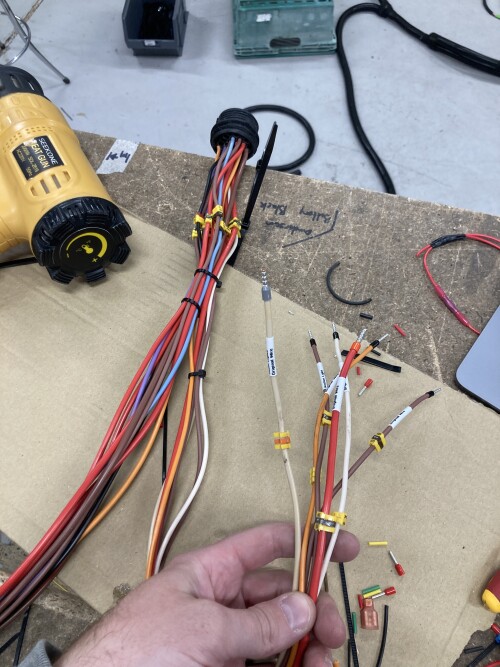
Started making some wiring looms, trying to bench build everything because it’s so much easier than doing it in a boat.


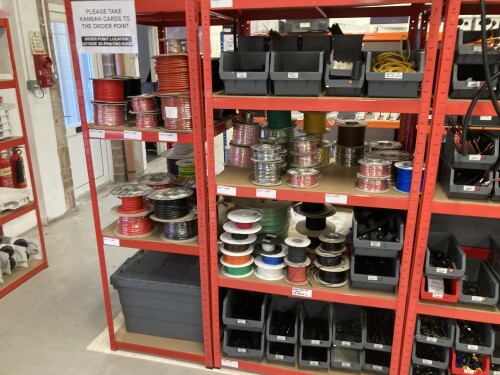
Visited the shelves for more wire. Decided not to bother with tinned wire, the factory harness is 25 year old plain copper and it’s still perfect.


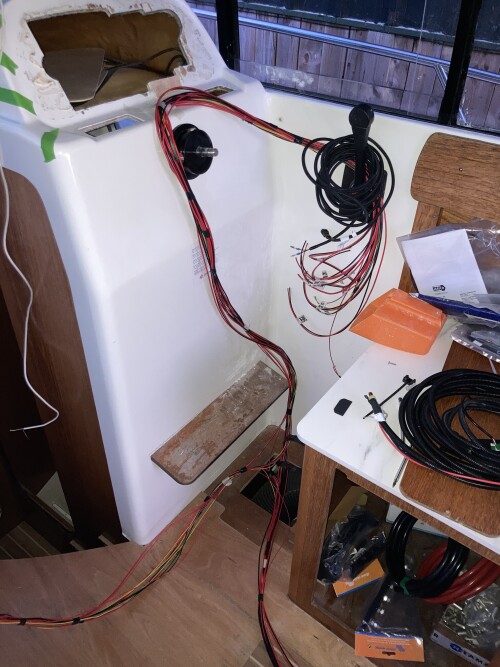
Started sizing the harness up.


Many wires


Now to take it back and terminate it


A previous owner did some terrible butchery to the factory harness inside this pillar to try and fit a 12v socket into the lighting circuit 🤦‍♂️


Most of the harness prepped ready for termination


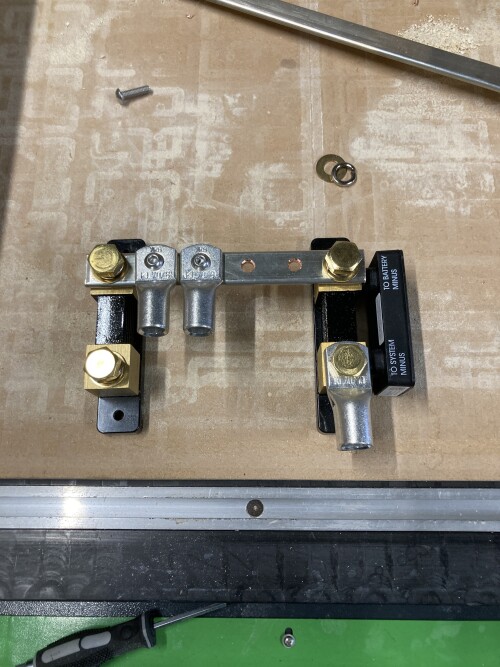
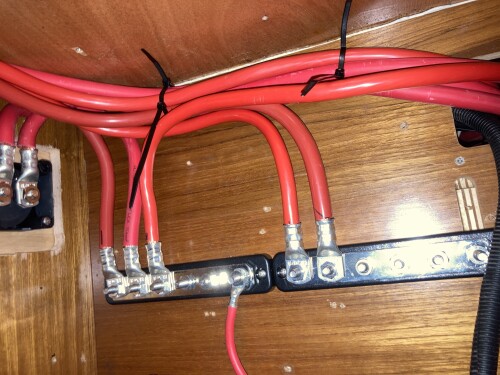
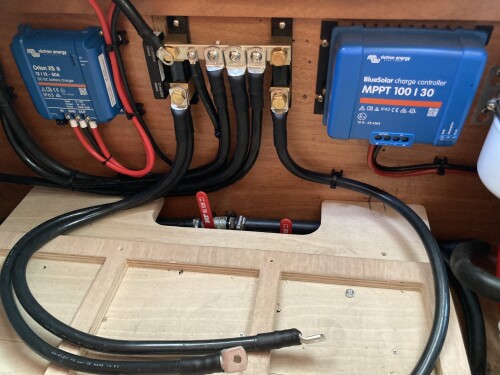
Then started making a negative busbar


Don’t have much space to work with so had to be compact


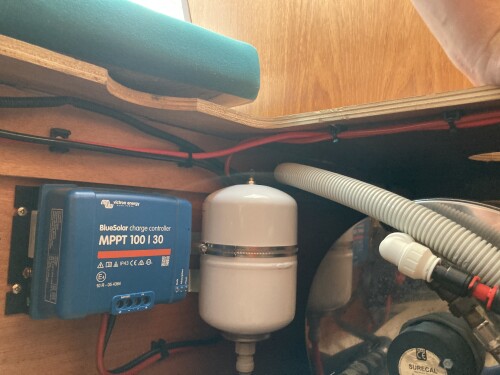
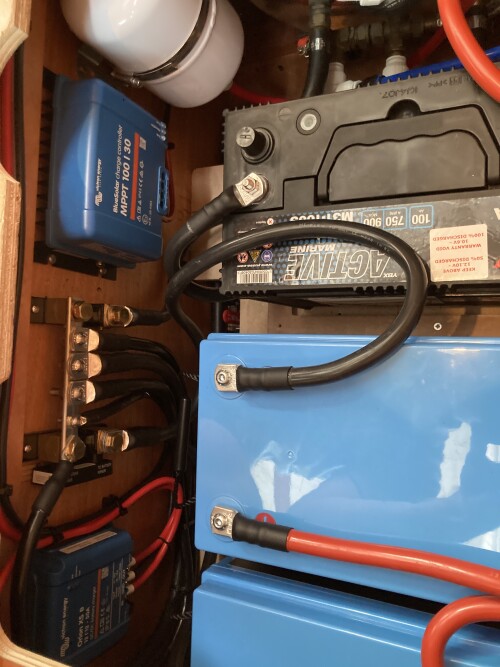
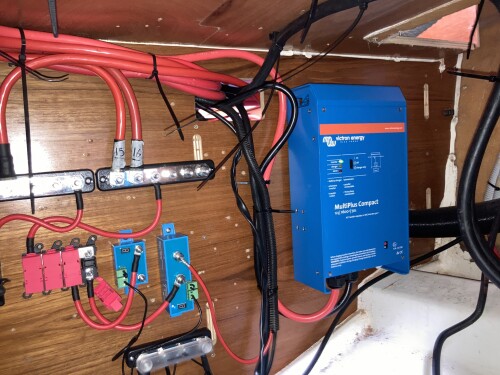
Started fitting solar charger and dc/dc
 
The original cable was still in pretty much perfect condition but I’ve re crimped everything anyway.


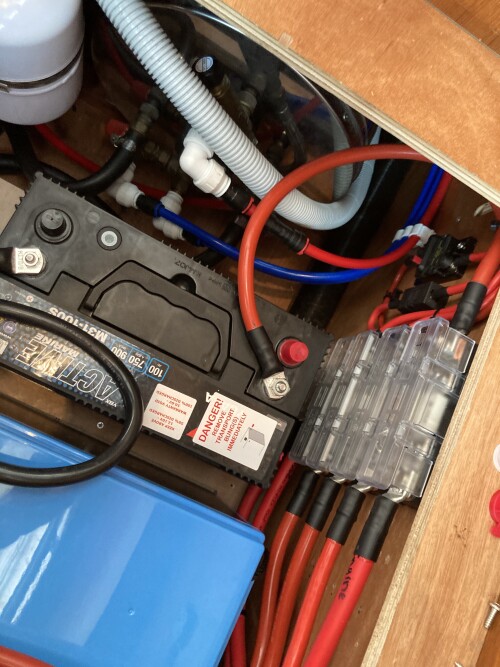
Some big fat cables for the thruster and the inverter.


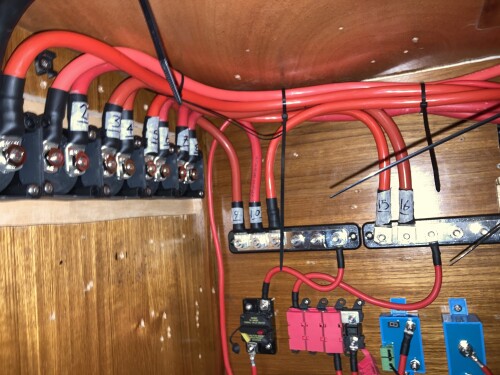
Started making off cables onto the row of isolators. Working in this wardrobe cupboard is not very fun.


Will tidy the cables up properly at the end.


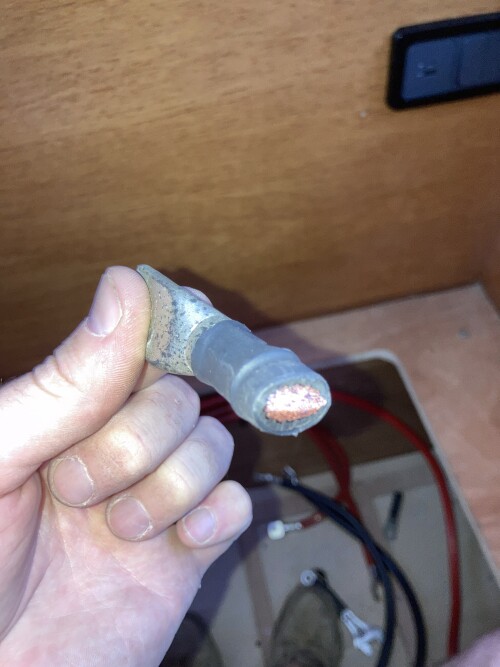
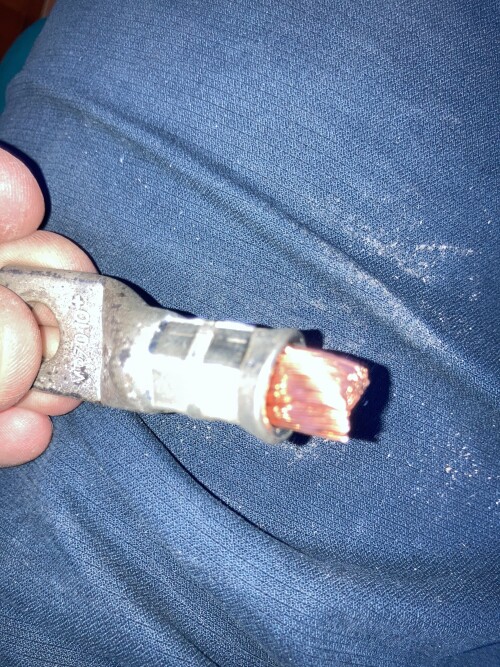
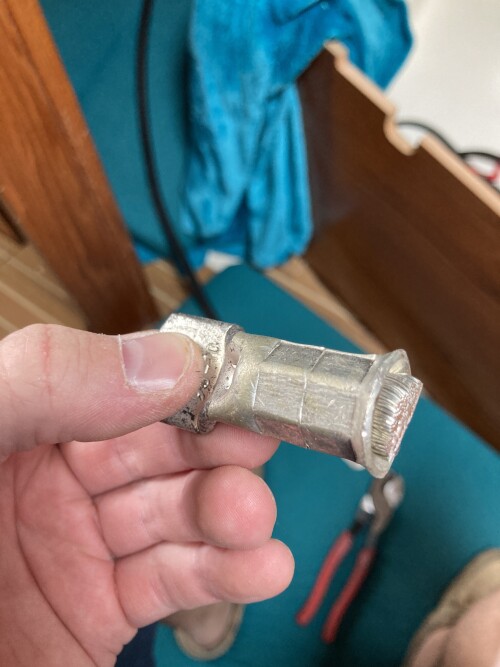
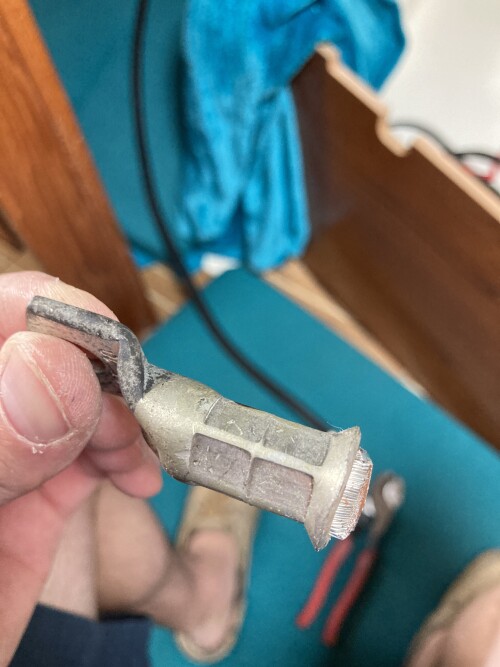
This is what a butchered crimp looks like when done by a Temu special hydraulic crimper on a no name crimp


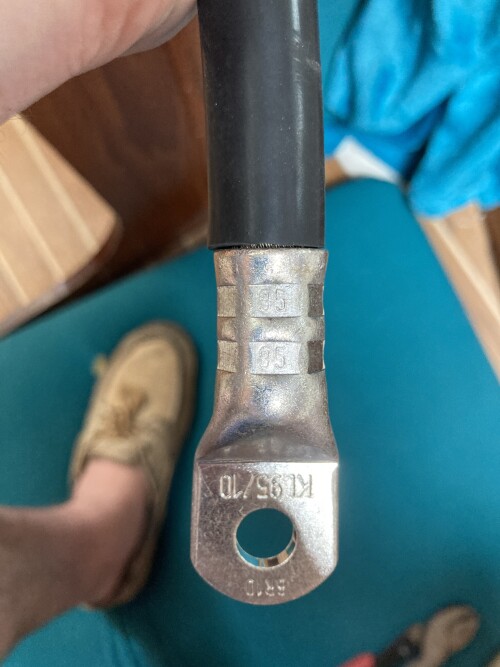
This is what a crimp should look like, Klauke crimp with Klauke tooling. Notice how the die imprints the cable size so you can check it was crimped with the correct setting selected.


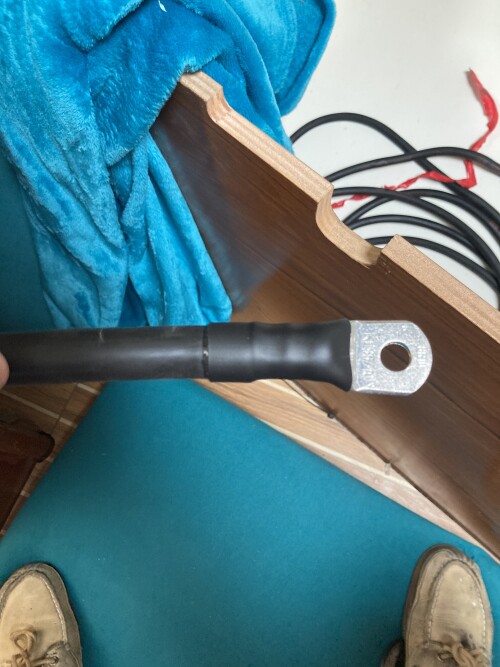
Heat shrunk


Still need to label these cables properly


Moved the inverter back into this corner. still need to fit the case ground.


Sorted out the windlass cables. Notice the previous owners domestic flex 🙄


Got bored of electrics so made some doors. They are all going to get wrapped. The old doors were surface mounted whereas these are now flush mounted.


Started wiring these spiteful little things


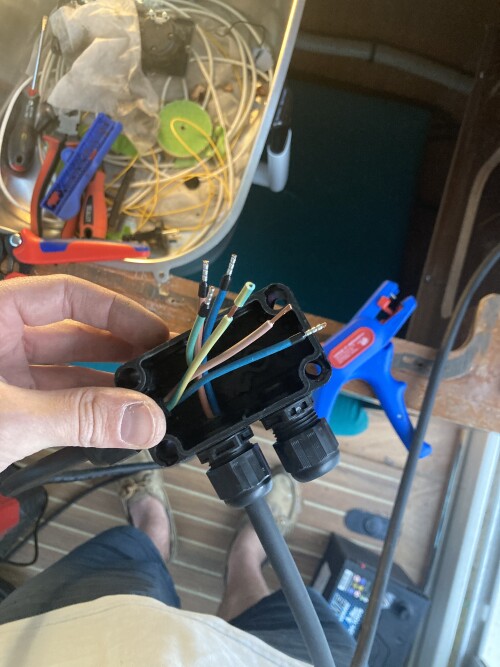
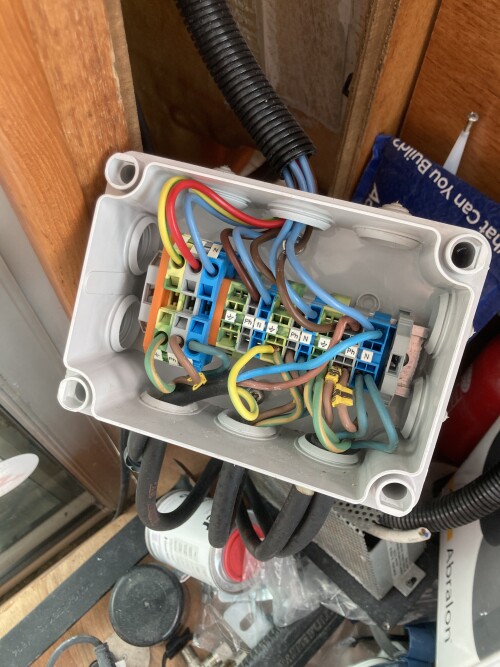
Trying to loop 2.5mm2 into and out of the sockets is impossible to do properly so used little junction boxes instead.


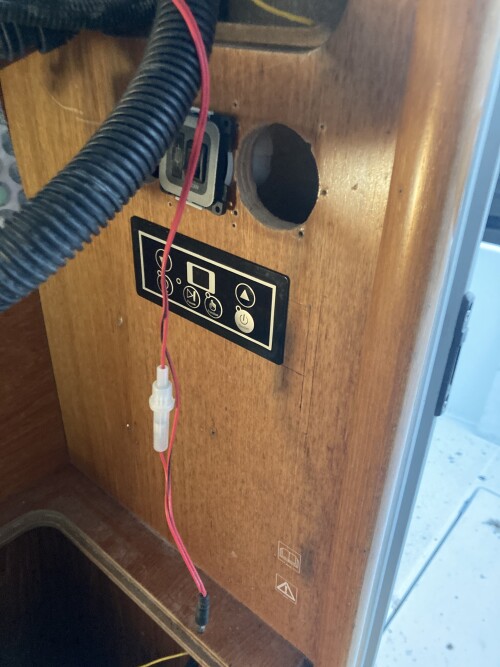
Fitted the cooker control panel thing
 
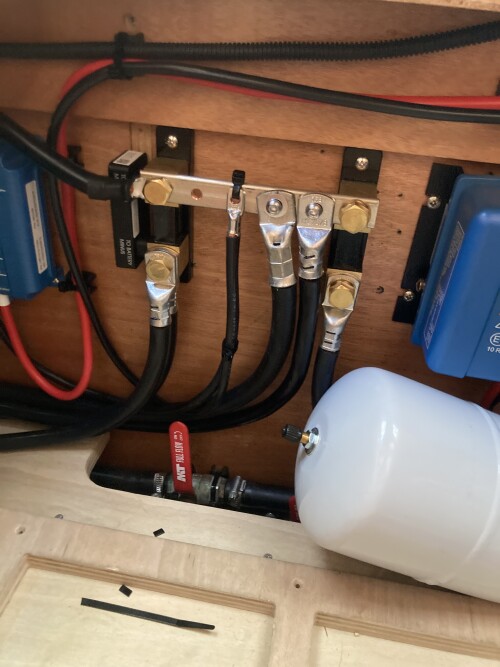
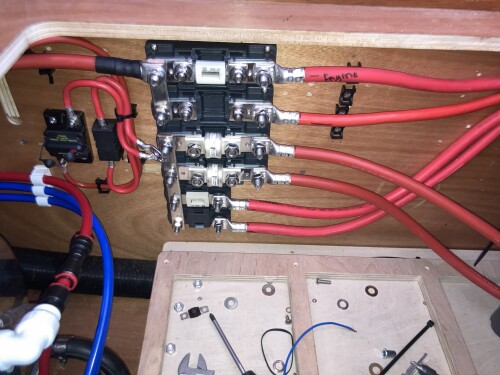
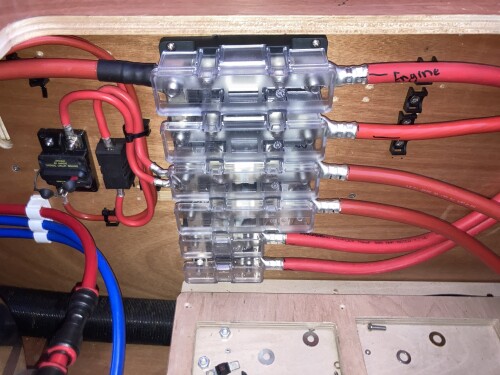
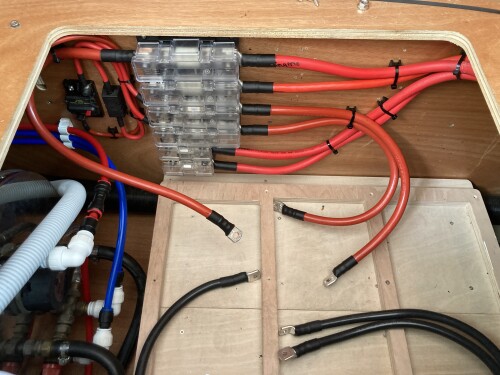
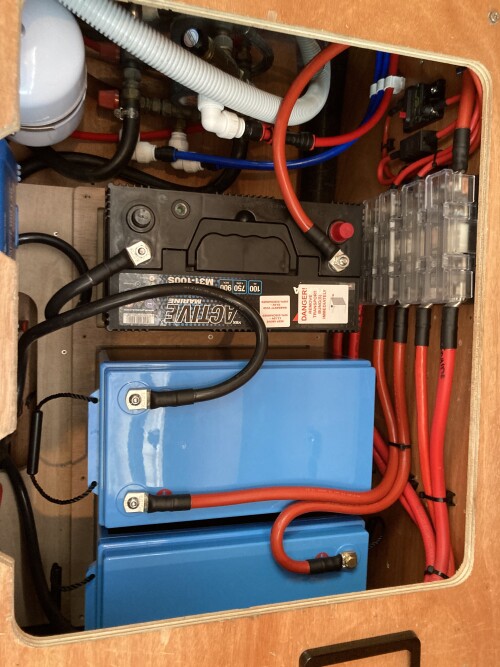
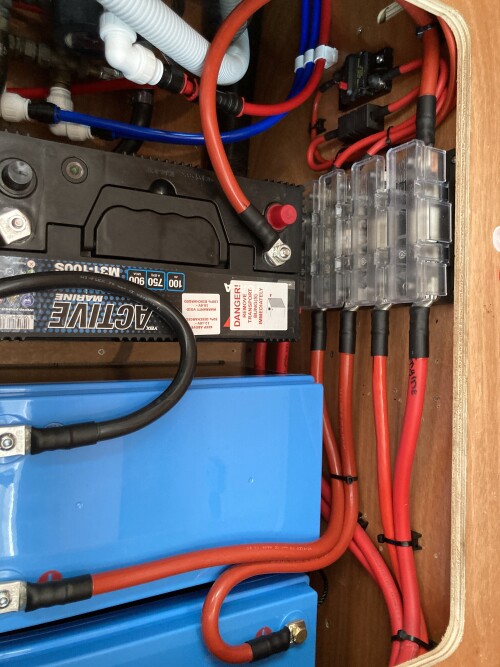
Mostly finished the power wiring, still need to tidy it up and heat shrink the wires tomorrow.

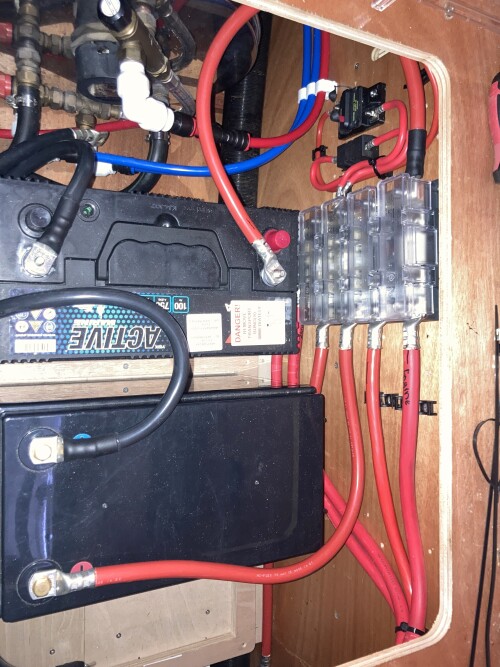
The fusing is overkill but fire on boats terrifies me so I’d rather be safe than sorry.

ANL fuse for engine start
ANL fuse for bow thruster
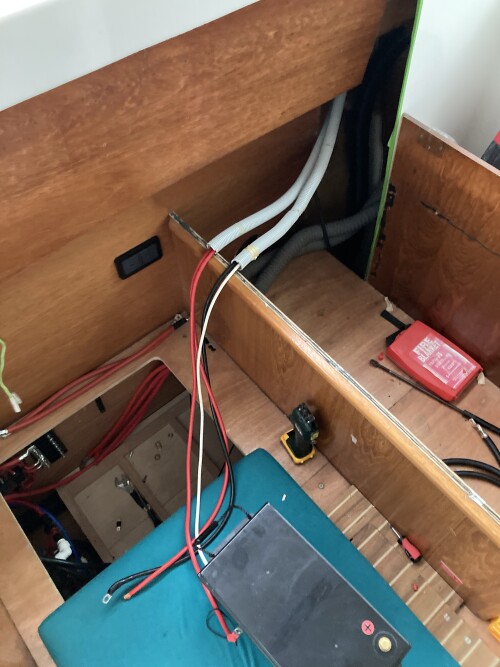
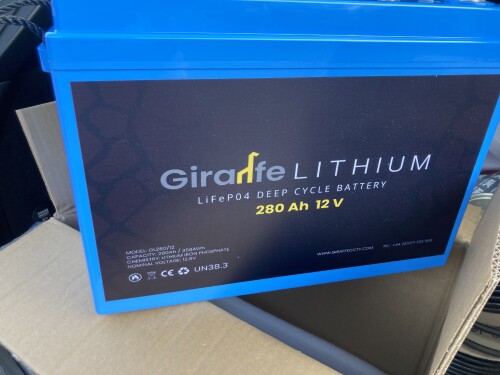
Class T x2 for lithium house batteries (that could be used to start the engine in an emergency)
ANL house
ANL inverter


I really like these BEP Pro Installer fuses compared to some of the junk on the market.


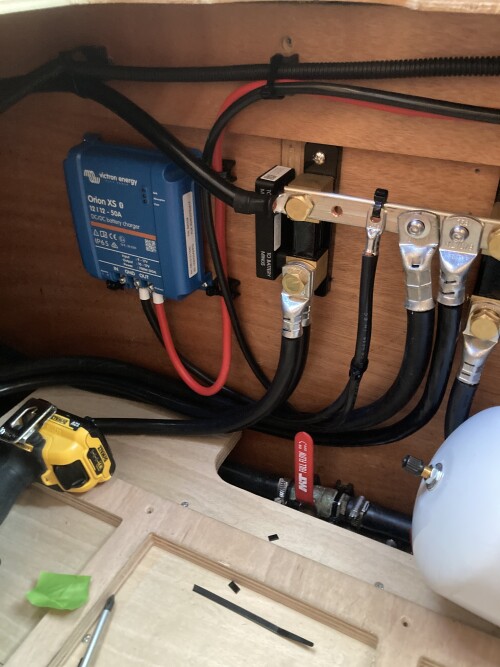
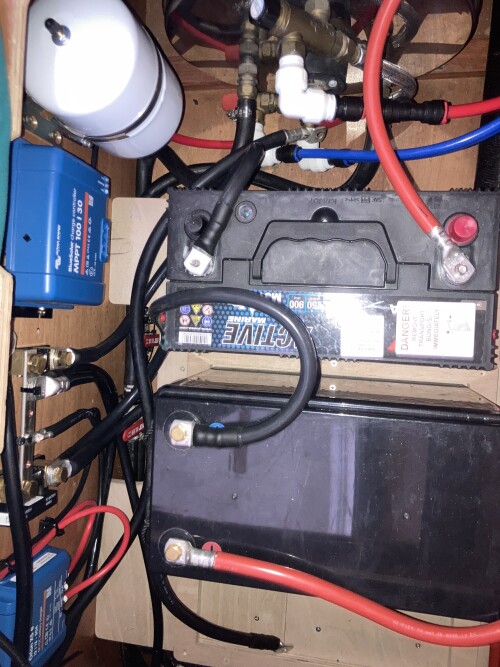
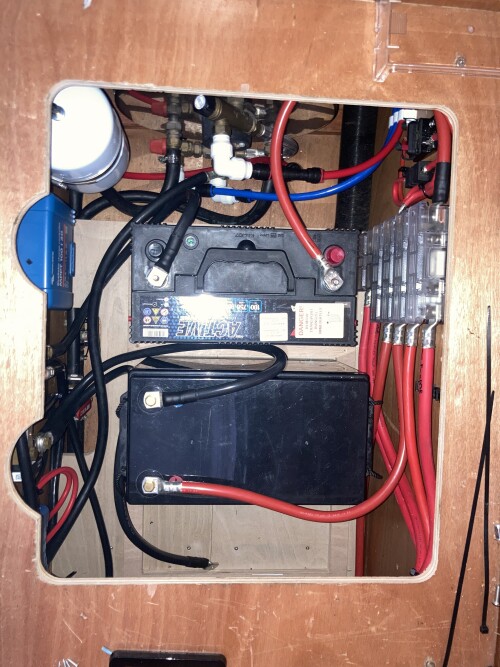
It’s getting fairly tight in this space now


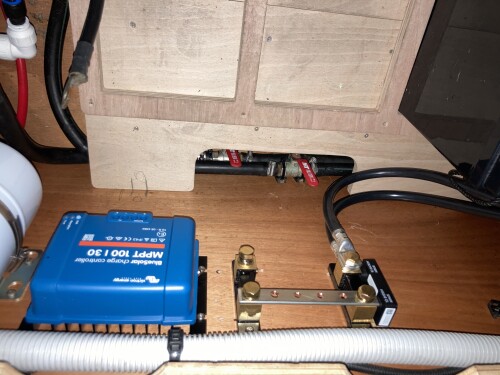
MPPT, Orion and negative bus bar on the other side.


Mostly finished the power wiring, still need to tidy it up and heat shrink the wires tomorrow.

The fusing is overkill but fire on boats terrifies me so I’d rather be safe than sorry.

ANL fuse for engine start
ANL fuse for bow thruster
Class T x2 for lithium house batteries (that could be used to start the engine in an emergency)
ANL house
ANL inverter


I really like these BEP Pro Installer fuses compared to some of the junk on the market.


It’s getting fairly tight in this space now


MPPT, Orion and negative bus bar on the other side.


Your rewiring is truly impressive.....just out of interest did you consider lithium while you designing it ?
 
Edit....lithium batteries...not lithium as a drug...although any boat build project should come with a prescription
 
Did some heat shrinking


Tidied up the negative busbar. One shunt is for the house bank the other is for the engine battery (which will be measured by the Alba Combi.


Still a bit of tidying to do in here


Not a lot of space for anything else in here now


Just for you @Bouba

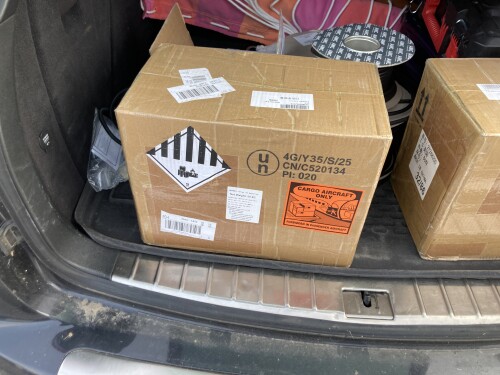
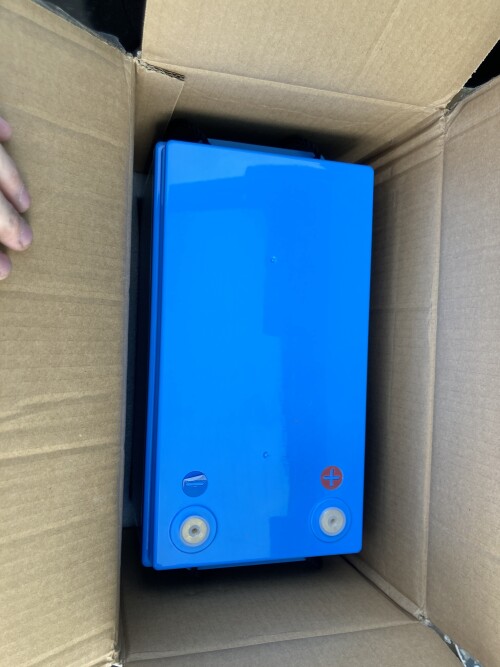
Some of China’s finest


Put the batteries in to check it all fits


Cleaned up the fuses


Still got to get some proper bolts and boots for the battery connections


It’s busy but manageable


Then did some testing and started powering up. Inverter came online


The battery protects are for the house loads and the always on loads. I’m going to have a ‘sleep’ switch for when I leave the boat that will switch the house loads off. The boat will be ‘always on’ and charge via solar.


Massive motivational boost switching the lights on 😂 still need to swap them for LEDs
 
Last edited:
Evening Jake, fantastic updates as always and really interesting to see how you have dealt with the electrics. You had mentioned previously that you might post a draft of the wiring diagram, therefore, I was wondering if that is possible, given I would like to see how you mapped everything out? Kind regards
 
Wow! I am full of admiration. I have been doing a much smaller project with an old MF655, one with an inboard diesel engine.

I too have decided to go all electric, adding a lithium house battery and a Bluetti power station which lives under the saloon table/berth cut out. A Victron B2B charger allows the alternator to feed into the lithium battery with the correct settings. Solar power adds more through Victron MPPT. All checked and adjusted through the app.

Since there was no calorifier fitted to the engine I went for a 12v 10 litre hot water tank, which fits nicely under the sink. That way I get hot water without the engine running, especially when the battery is being topped up by shore power.

The Bluetti feeds into the 240v circuit when I am not on shore power. I have a portable induction hob if I want to cook. But more importantly I can power a coffee pod machine and frother!! And with a much smaller boat I can manage with an electric blow heater.

I am still researching how to fit an autopilot, and will avoid changing to hydraulic steering having read this thread. Not sure whether I can fit a wheel pilot or need to look at a drive motor working directly on the rudder stock. Any ideas anyone? And any recommendations for make and model?
 
Yeah it’s a Roca W12 not a W4, must have been a typo. It’s a fair old job fitting them but the results seem excellent. So much quieter and smoother.
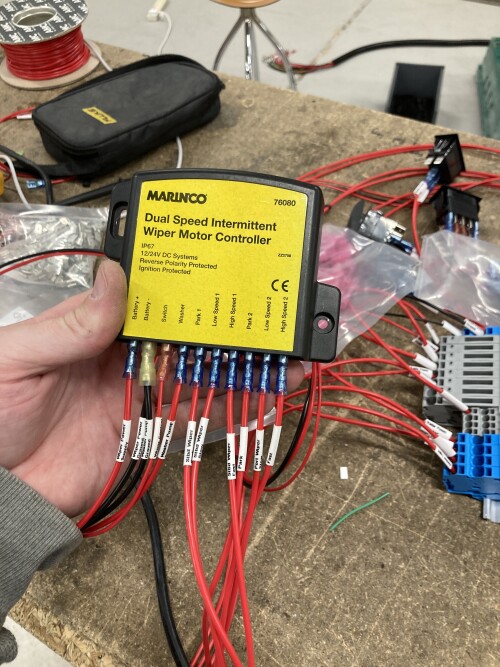
I’m fitting a Marinco wiper computer as well so I get intermittent wiper settings and synchronisation.

For the washers, no idea haven’t looked at them yet. You’ll have to pull the wiper motor out to get to the washer jet anyway.
My tentative plan is to replace the water jets with a sprayer thing that is mounted on the wiper arms themselves similar to what trucks have. Then just fill the old jet holes.
Evening Jake, hope the refit is going well? just looking to order some Roca W12 Wiper Motors and wanted to check whether you fitted the 42mm or 68mm bulkhead version? Also, can I ask, did you fit Roca Pantograph Wiper Arms for 72 Spline Shaft (454mm-591mm), and if so, what size wiper blades did you fit? Were they 405mm? Kind regards.
 
Repeat after me, I will never totally rewire a complex boat from scratch again.

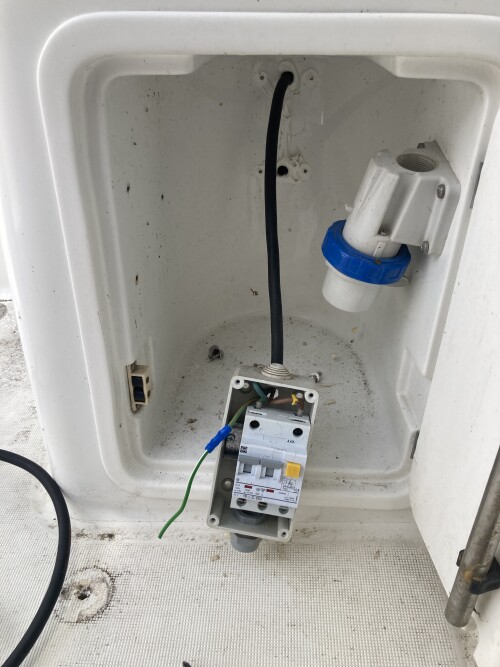
Sorted out the shore power inlet. The power comes into the ceeform socket, then through the double pole RCD, then straight into the inverter.
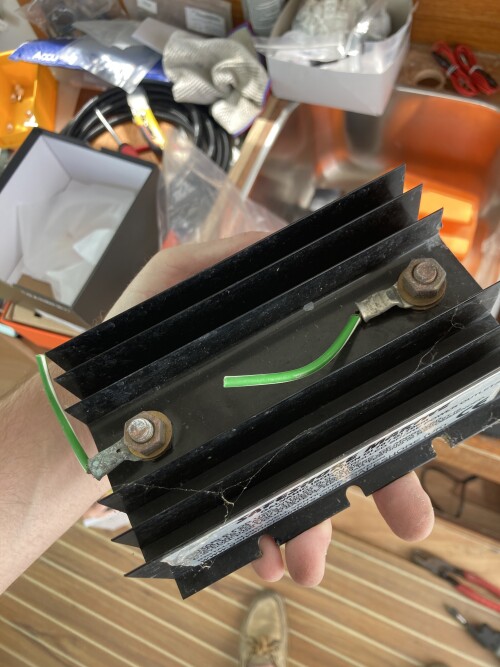
All the consumers are on the inverted side. I couldn’t see any benefit in having anything in the non inverted side and it made wiring simpler.


There was an existing galvanic isolator but it was in a stupid place with crap wiring.

I made new wires up and fitted it in the location where the main distribution box used to be just behind the short power inlet (forgot to take photo).


Regretted using 2.5mm2 cable when I had to fit it into these stupid connectors Victron use on some inverters.


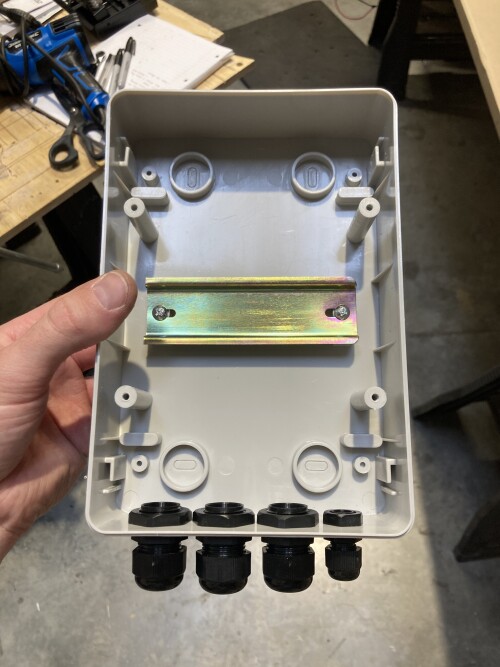
Prepared the consumer unit


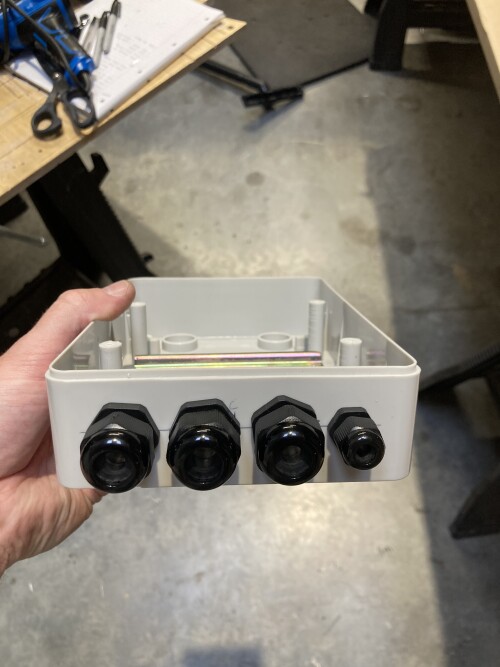
Small gland is for the earth bond


I used two dual pole RCBOs for no other reason than I could.


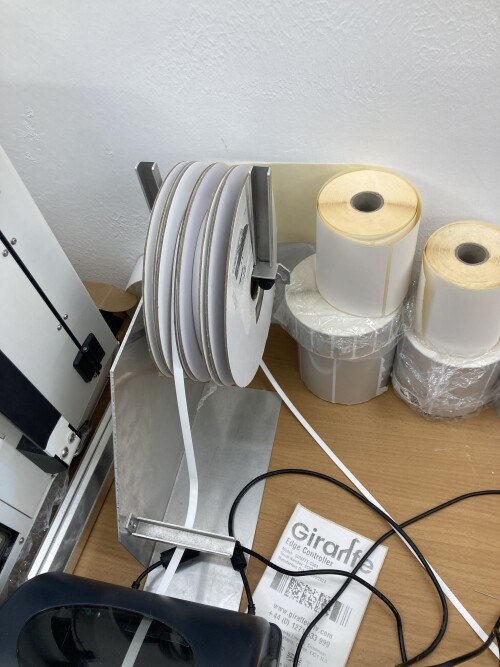
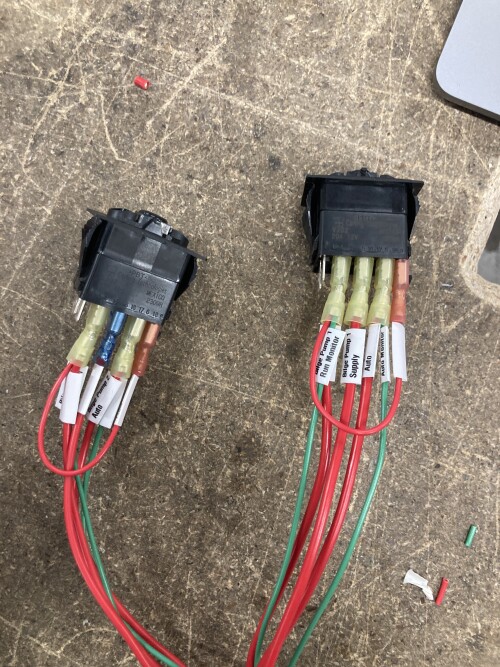
Printed some heat shrink


Started making up all the switch looms


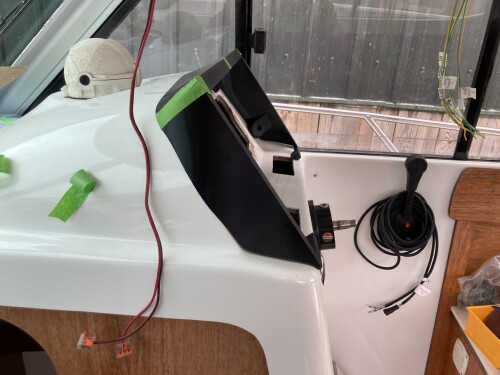
Printed the pieces for the dash flat panel conversion from the scans


Quite pleased with how this has turned out. I need to reprint the final version out of ASA for UV resistance.


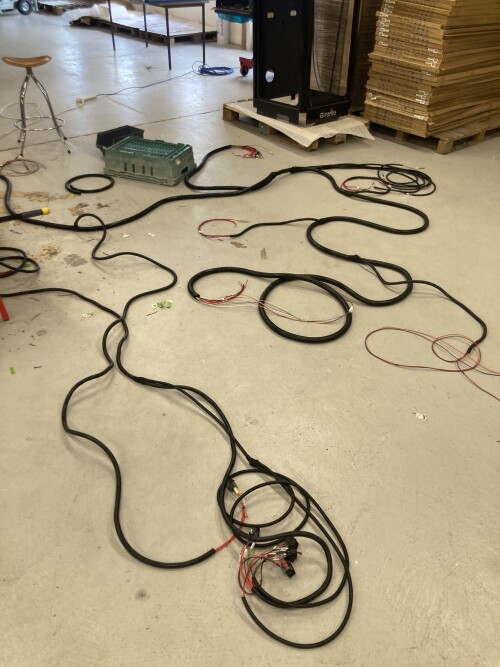
Then started making the main wiring loom


This thing is brilliant, makes the wipers like a car with intermittent modes and also synchronises them.


Put it all in conduit


Originally I was going to reuse some of the original loom. So I reverse engineered it and labelled it up.
Then decided I didn’t like the idea of the 20 plus year old multi plugs so binned it all off and replaced everything.


Made the loom out of singles and conduit to try and keep the bulk down versus twin core flex.
 
Top