Rust removal

MJWB

Well-Known Member
Joined
24 May 2019
Messages
309
Location
Yorkshire coast
Visit site
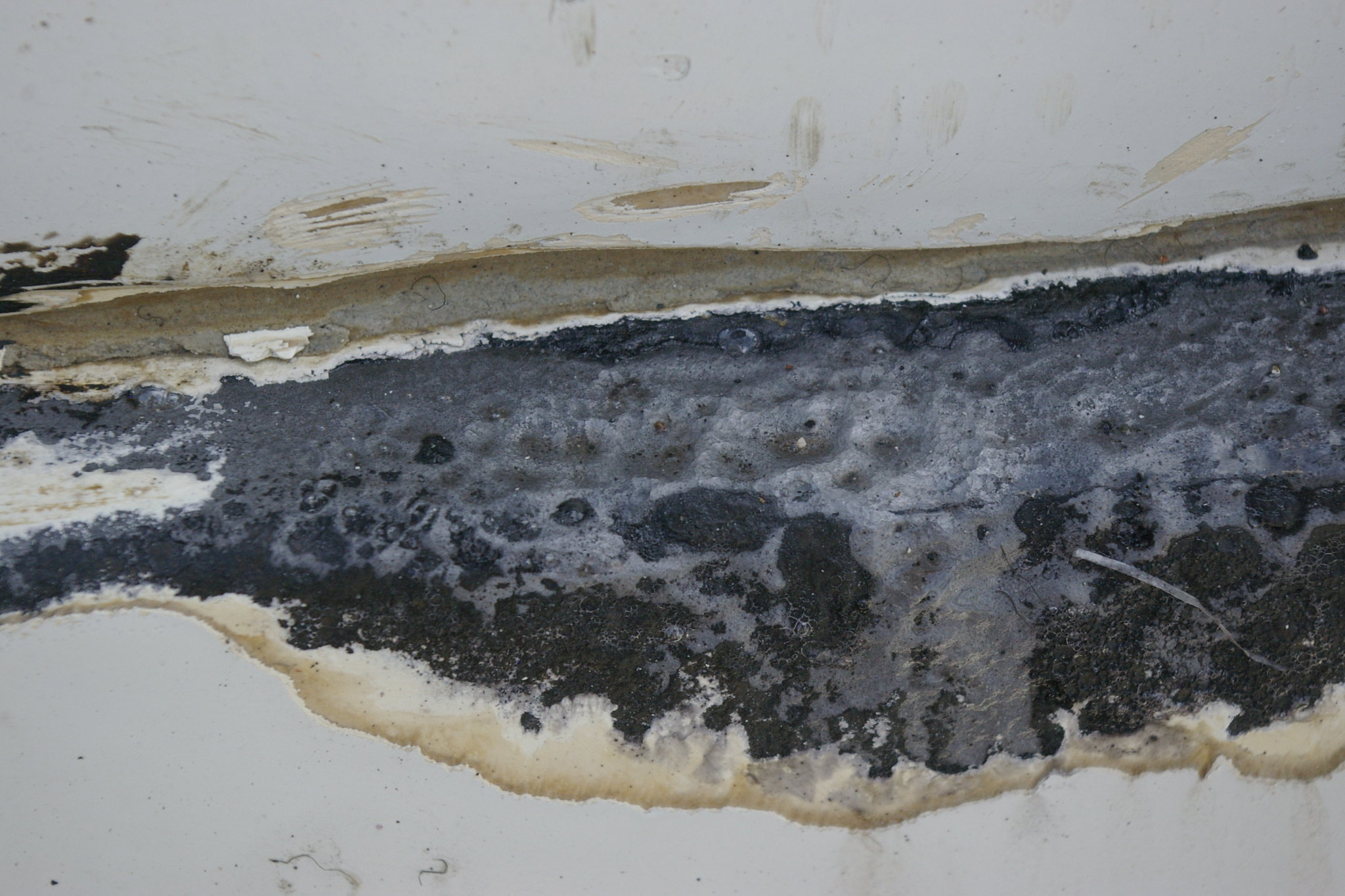
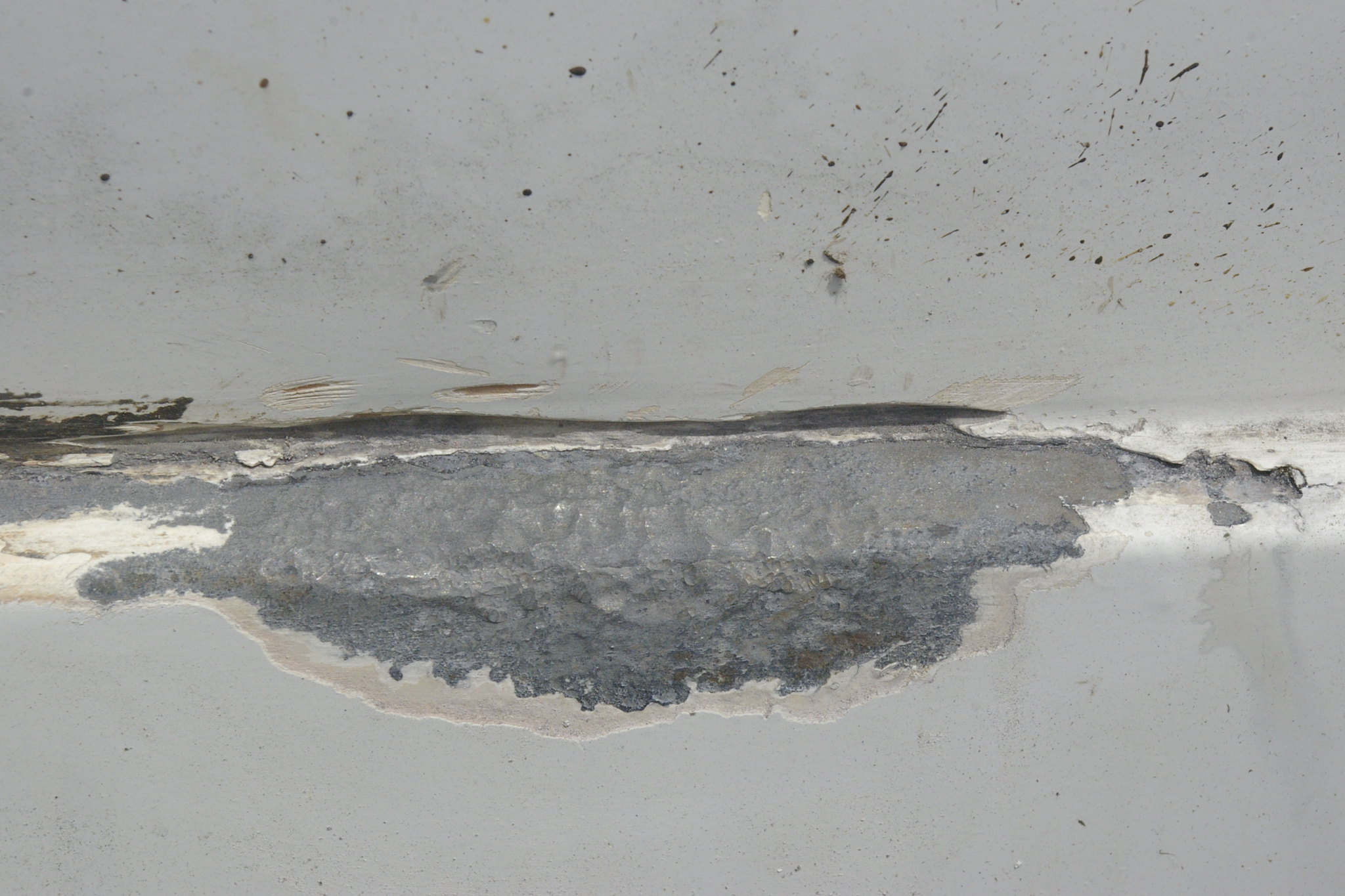
I've got a few small rust areas to remove from an iron keel, including rights up into keel to keel stubs joint. Plan is to scrap off surrounding anti foul by hand then can anyone recommend best tool from then for rust removal before treatment?
 
I would use a wire brush on a drill or angle grinder and or sanding disc again on a drill or better an angle grinder. Make sure all the wire bits have been cleaned out then use a rust converter on the metal. Followed ASAP by epoxy or similar. Then use your antifoul system. ol'will
 
I bought a tercoo surface blaster which attaches to a drill. I am going to do the job next week so cant say how effective it is yet
 
Best is grit blasting
second best is needle descale gun.
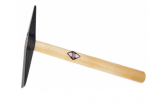
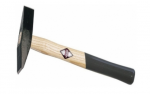
third best is chipping hammer followed by wire brush on angle grinder

For the second and third follow with hydrochloric acid until the metal is a uniform gray colour then convert any remaining rust with phosphoric acid then paint with epoxy tar as many coats as you can.

If you have rust between the keel and hull the keel realy needs removing as you will not be able to clean the rust out enough to prevent the rust coming back
 
If you have rust between the keel and hull the keel realy needs removing as you will not be able to clean the rust out enough to prevent the rust coming back
[/QUOTE]

Roger that seems a very logical point thanks.

Thanks to all for your help, appreciated, very keen to hear how the tercoo goes.
 
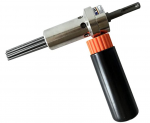
I know the air-powered needle guns are very good but have you, or anyone else here, experience of electrically powered ones? Or of this type that attaches to an SDS drill?


View attachment 112882

Interesting not seen one of those before. Mine are all air powered and its always a pic to haul my big compressor down to the boat walk on My small on on the boat runs out of air too soon for big jobs so it takes longer than it should be.

Thanks for the tip.

Do you have a link and what size drill do you need.

I know the drill attachment pop riveter need a powerful drill to pop the big and stainless rivets
 
I know the air-powered needle guns are very good but have you, or anyone else here, experience of electrically powered ones? Or of this type that attaches to an SDS drill?


View attachment 112882
Yes I've done weeks of air needle gunning, and a few hours of an SDS+ drill attachment version. (Similar to the pic).
The SDS type was dire, and it broke in the first day's use.
The main problem is that the air versions are light, handy and easy to control, but the SDS one is fixed on a long, heavy electric drill, and ours at least was a tacky chinese gadget type attachment, I don't know if decent quality ones are even available, probly not.
You can get pricey professional-use 110v needle guns, I have seen but not used one, the guy was complaining the needles were non-standard and hard to find so beware.
Air needle guns use a lot of air, a DIY compressor will struggle to keep it going continuously, you need 15-20 CFM continuous FAD (ballpark guess).
Always check the availability of replacement needles, they are a consumable.
 
Interesting not seen one of those before. Mine are all air powered and its always a pic to haul my big compressor down to the boat walk on My small on on the boat runs out of air too soon for big jobs so it takes longer than it should be.

Thanks for the tip.

Do you have a link and what size drill do you need.

I know the drill attachment pop riveter need a powerful drill to pop the big and stainless rivets

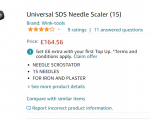
It is listed on Amazon UK. I have no experience of it. Here's a video:

NEEDLE SCALER SDS UNIVERSAL SYSTEM - Bing video

From Amazon 1617631871966.png
 
Last edited:
Ah chipping hammers. Brings back so many memories of a different life years ago. Just not sure these are right for this job.

If your rust and scale needs chipping hammers I hope your elbows are in good form.... Hopefully a rotary wire brush or abrasive disc will suffice. I find Primocon is effective for protecting the surface with minor touching up needed occasionally .
 
Dearer than a chipping hammer!

A chipping hammer is the best I have found to remove the black iron oxide which must be remover otherwise it will just come back.

Its not called iron cancer for no reason.

Before chipping

49783983813_b0c248df31_k.jpg


After chipping, same place. A wire brush on an angle grinder would not touch this black iron oxide

49783931233_866994df60_k.jpg
 
Last edited by a moderator:
Best is grit blasting
second best is needle descale gun.
third best is chipping hammer followed by wire brush on angle grinder

For the second and third follow with hydrochloric acid until the metal is a uniform gray colour then convert any remaining rust with phosphoric acid then paint with epoxy tar as many coats as you can.

If you have rust between the keel and hull the keel realy needs removing as you will not be able to clean the rust out enough to prevent the rust coming back
+1 for this

The bit I did not know about was HCl. I always used phosphoric straight away to change the iron oxide into iron phosphate.

What doe the HCl do please? I should know, but I forget a lot these days.

To the OP, imho, what Roger has said is the way to go. Drills and their bearings are not up to taking cup wire brushes; it should be an angle grinder whose bearings are set up to take the load.

wire cup brush for angle grinder - Google Search
 
The hydrochloric acid eats all the rust away and should leave clean steel.

Because the steel is so clean it will flash rust quite quickly so the phosphoric acid will convert any flash rusting.

The biggest is any rust at the edges and under any paint. T tend to use a wire brush to remove the paint at the edges of the rusting to ensure I get back to clean steel.

I have also found that washing off the HCI and phosphoric acid after the drying with a heat gun also helps to stop any rusting developing under the new paint.

When I was involved in designing equipment for car factories the steel body would be washed by dipping in tanks of HCI and phosphoric before washing, drying then dipping in primer.

HCI is also used in galvanizing to de-rust and clean the steel before dipping in the zinc.
 
To the OP, imho, what Roger has said is the way to go. Drills and their bearings are not up to taking cup wire brushes; it should be an angle grinder whose bearings are set up to take the load.

wire cup brush for angle grinder - Google Search
[/QUOTE]


Any recommendations on a reliable but reasonably priced angle grinder? I wouldn't know a good from a poor.
And secondly, can it then be used for polishing?
 
Top