westernman
Well-Known Member
From another thread about a rescue off Dover
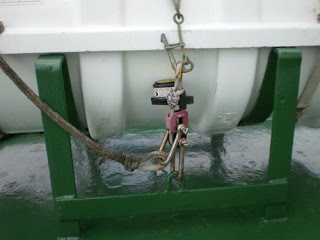
It is looking like the "weak" link in the hydrostatic device, which is designed to stop a sinking boat taking the liferaft down with it, gave way.
My feeling is that I don't want a weak link there. If there is one, it is going to give way when you don't want it to happen - as seems to have happened in the case quoted above. The force on an inflated liferaft strong winds in a rough sea its tether are considerable.
I would want the liferaft to stay attached to the boat until everyone was in it, and then cut the line with a knife.
So is the "weak' link in the hydrostatic release more of a liability than a safety feature?
I would also say, that if there is not going to be a weak link, then there is no point in having a hydrostatic release either.
In this case I think the coding requirements actually make the boat more dangerous and not safer.
Oh, and re life raft- the vessel was coded, so could have been on a hydrostatic release, and triggered by the continous following seas? Loss of LR news to me too- with majority of crew out of action, getting a very marginal situation then.
It is looking like the "weak" link in the hydrostatic device, which is designed to stop a sinking boat taking the liferaft down with it, gave way.
My feeling is that I don't want a weak link there. If there is one, it is going to give way when you don't want it to happen - as seems to have happened in the case quoted above. The force on an inflated liferaft strong winds in a rough sea its tether are considerable.
I would want the liferaft to stay attached to the boat until everyone was in it, and then cut the line with a knife.
So is the "weak' link in the hydrostatic release more of a liability than a safety feature?
I would also say, that if there is not going to be a weak link, then there is no point in having a hydrostatic release either.
In this case I think the coding requirements actually make the boat more dangerous and not safer.


 they do go with quite a twang don't they