snowbird30ds
Well-Known Member
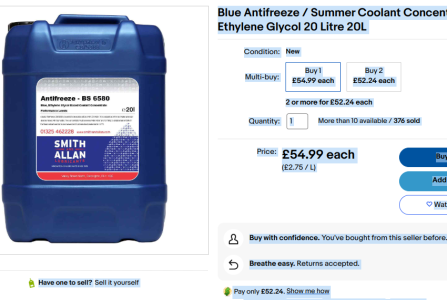
Cheap car shop stuff it is then, the saving over VP should cover the cost of the oil and filters. 


That is bad advice, to say the least. Do Not use OAT in these engines.Only if OAT is recommended for your engine and if it is already using OAT.
Generally the two types should not be mixed although there are antifreezezs on the market which it is claimed can be mixed with either type.
Maybe a thorough flush will be sufficient if you want to change
but be aware that Volvo Penta recommend, or at least did recommend, a chemical clean. An expensive procedure if carried out by a VP agent.
Post #4 ?Cheap car shop stuff it is then, the saving over VP should cover the cost of the oil and filters.

Thanks PaulYour Sabres are almost certainly not using OAT, they will likely be on the stuff i linked to above (or any other brand of the same type). Best check though as they don't mix well.


What are the reasons, ( technical) why OAT must not be used in these engines ?That is bad advice, to say the least. Do Not use OAT in these engines.
Volvo recommendations are irrelevant here, the question asked related to Ford Sabre engines.
I dont know if this applies to your John Deere tractor but OAT coolant is specified for some / many higher performance diesel engines to prevent cavitation erosion of the cylinder liners.I freely admit that I don't know what antifreeze that you need for VP engines, however a word of caution is offered.
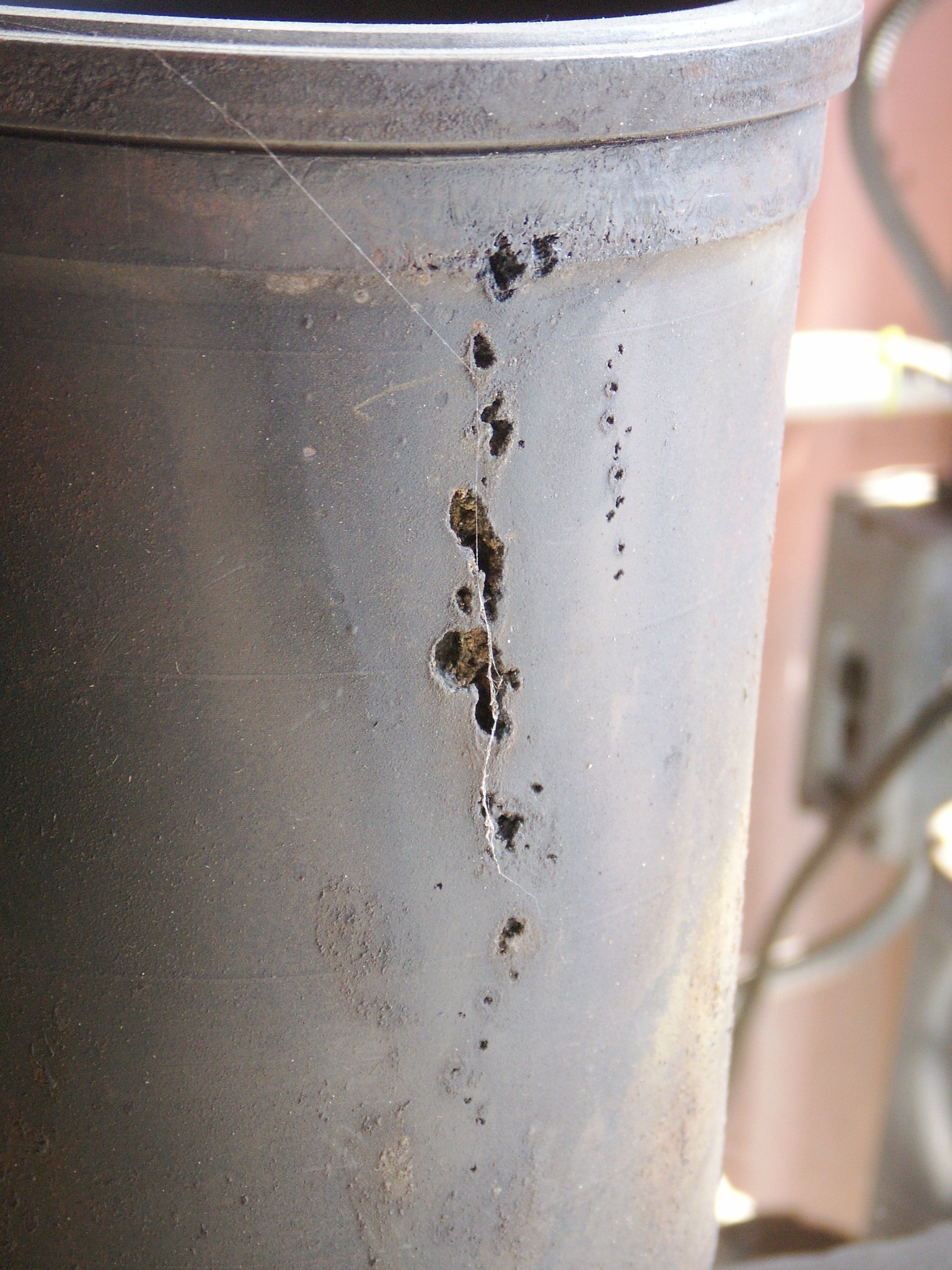
On a John Deere tractor,who recommend using their own AF which has specific anti corrosion additive. I strayed from this and the wet liners corroded thus resulting in an engine rebuild. Water and oil do mix.

There are, or could be, parts in the installation that are affected by OAT, which is why it's not recommended for older engines.What are the reasons, ( technical) why OAT must not be used in these engines ?
VP dream up their own recommendations, i most certainly would not apply them to any and all other makes.The same will apply to any make of engine
It's hardly high performance. Three cylinders of Manheim's best agricultural engineering. This was rusted through.I dont know if this applies to your John Deere tractor but OAT coolant is specified for some / many higher performance diesel engines to prevent cavitation erosion of the cylinder liners.

Not higher performance in the sense you assume.It's hardly high performance. Three cylinders of Manheim's best agricultural engineering. This was rusted through.
Thank you, very educational.Not higher performance in the sense you assume.
Diesel engines with wet sleeve liners, in applications with high loading, are prone to cavitation pitting of the sleeve. That diesel "clatter" we all know, causes a ringing of the liner. It can be controlled EITHER with OAT coolants with high OAT concentrations, NOAT coolants, which include nitrate, or conventional coolants with molybdate and nitrite added. These formulation differences are what make it a heavy duty, high performance coolant. I've run these tests--pretty amazing to see the difference minor formulation changes make.
It was discovered, almost by accident, that OATs based on 2-ethylhexanoic acid gave good anti-cavitation pitting performance.
What to use? What did the OEM suggest? In fact, many engine manufactures give the buyer several choices, with NOAT and conventional options. What did the last owner use? Hard to tell, but if you can make a good guess, and it is not 100% wrong, it's generally safer to stay with it, for reasons that go beyond sludge formation (the protection mechanism is very different and they can compete). If it was conventional, just make sure you use an HD conventional with nitrite and moly.
And follow the change recommendation, which is normally every year, because of the risk of salt contamination (which is FAR worse than anything the wrong coolant can do).