
Momac
Well-Known Member
Seems reasonable.lets say 30hrs cruise ..... 18 - 20hrs when pushing it.
I could get 200 miles (or maybe 300 miles if I go slow) but I don't have any sails.

Seems reasonable.lets say 30hrs cruise ..... 18 - 20hrs when pushing it.

Seems reasonable.
I could get 200 miles (or maybe 300 miles if I go slow) but I don't have any sails.

I have a similar pump with 3/4" hose barb. Quite good, but the one linked to has the benefit of being batteri operated, so no wires etc.I have been using a system for many years that does not require the can to be lifted out of the locker. I use 20litre cans which are a bit heavy to lift, particularly if it is rough. I use a submersible pump that fits through the kneck of the can and I have a hoselock connector and ball valve that leads to a T joint in the tank filler hose plus a 12volt socket. Only takes, I guess, less than a minute per 20 litres.
The pump i use: Rule Slimline Series Submersible Pump Plus 12V with Battery Clips
View attachment 150465
Www.solocoastalsailing.co.uk
Seems like transferring fuel at sea is quite common.
What is the typical fuel range of the boats in question?
Seems like more than enough to not require refuelling at sea.Depends on throttle position, but up to 500 nm.

People take yachts to places where the distance between ports is shedloads more than 500 miles....Seems like more than enough to not require refuelling at sea.
People take yachts to places where the distance between ports is shedloads more than 500 miles....

Indeed. If you have unlimited time and are not worried about taking a few risks, you can traverse oceans with no engine at all....Maybe time then to choose a Sailboat !!
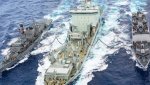

Yeah I spent quite a few years in Gib sailing around the vessels in for bunkers. Also across in Ceuta. Been through the anchorage east of Malta too, very busy.Of course there's at the larger scale :
Transfer rates up to 5000 MT/hr common ..... highest rate I've been involved with being 30,000 MT in just over 4hrs ....
Such transfers occur in many locations around the world, but slowly being banned as more areas become classed 'Clean Sea Areas' .... despite the industry having an impeccable record .....


I am sure they do but imagined that to be very unusual.People take yachts to places where the distance between ports is shedloads more than 500 miles....
Definitely not unusual. Vessel finder is a way of looking at yacht movements globally.I am sure they do but imagined that to be very unusual.
Also is it not done mostly under sail?

Spent 40 years doing it. A mans a man for awe that!!Yeah I spent quite a few years in Gib sailing around the vessels in for bunkers. Also across in Ceuta. Been through the anchorage east of Malta too, very busy.
But they are anchored, not underway. Carrier Strike Group 21 also bunkered HMS Queen Elizabeth whilst she was launching fast jets. Now that's man's work!

If i click on your link i get this page: about:blank#blocked

The main issue that challenges me is having fuel fillers on the side deck where water sluices over. Having a capacity between two tanks of 80 gallons means l can get where I want without refueling at sea.
