Thru hull fitting

I know little about generator installations, but rust can only come from iron or steel, and I very seriously doubt your skin fitting is either of those - it will either be brass (probably DZR brass) or bronze, neither of which rust.

So the rust is almost certainly coming from some other part of the circuit leading to the skin fitting. A water injection elbow is a likely culprit, both in terms of typically using a ferrous material, and in being subject to corrosion due to the combination of heat and water promoting a lot of corrosion. The elbow (If it is that) may be of sufficient thickness that a bit of rust isn't problematic, but needs checking out - it may be coming towards the end of its life.

This should be a simple check, and if need be a simple, quick replacement, but I'd suggest you get a competent engineer to do it who will know what they are looking for and whether it actually needs replacing. It's not worth spending more boat time out of the water. You can put the money you have saved by not unnecessarily replacing a skin fitting towards the cost of the engineer! 😁
 
Here is my dilemma...the boat is out of the water now...but as soon as it’s back in the water the engineer is coming to service the engine and generator...if the problem is the thru hull fitting or seacock then I will have missed my chance to fix it before launch...and if the problem is the generator then I won’t know until after it’s back in the water

If possible, get him or her to come and have a quick look at the rust and skin fitting before it goes back in the water. If they can't, get someone else who knows what's what to look at the rust on the skin fitting.

The actual work on the generator (e.g. inspecting/replacing the elbow) can be done with the boat in the water.
 
I know little about generator installations, but rust can only come from iron or steel, and I very seriously doubt your skin fitting is either of those - it will either be brass (probably DZR brass) or bronze, neither of which rust.

So the rust is almost certainly coming from some other part of the circuit leading to the skin fitting. A water injection elbow is a likely culprit, both in terms of typically using a ferrous material, and in being subject to corrosion due to the combination of heat and water promoting a lot of corrosion. The elbow (If it is that) may be of sufficient thickness that a bit of rust isn't problematic, but needs checking out - it may be coming towards the end of its life.

This should be a simple check, and if need be a simple, quick replacement, but I'd suggest you get a competent engineer to do it who will know what they are looking for and whether it actually needs replacing. It's not worth spending more boat time out of the water. You can put the money you have saved by not unnecessarily replacing a skin fitting towards the cost of the engineer! 😁
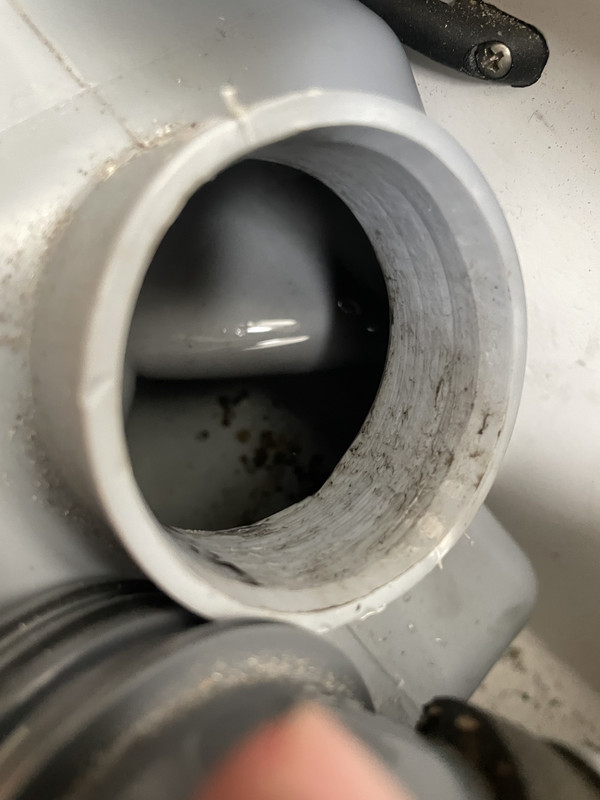
The stuff that I found inside the fitting (looking from outside the hull into the fitting) was rust like (I can’t say it genuinely was)...it was almost completely blocking the thru hull fitting...I scraped it out with sticks and screwdrivers...it was a good handful....and the seacock couldn’t close...but I put a lot of lubricant inside the fitting, so it might close by tomorrow morning
 
If I can get the seacock to close tomorrow, I can then take some pipe work off and if there is evidence of corrosion then odds are it’s coming from the generator and not coming up from the thru hull fitting
 
The stuff that I found inside the fitting (looking from outside the hull into the fitting) was rust like (I can’t say it genuinely was)...it was almost completely blocking the thru hull fitting...I scraped it out with sticks and screwdrivers...it was a good handful....and the seacock couldn’t close...but I put a lot of lubricant inside the fitting, so it might close by tomorrow morning

You need too find out what that material is and where it is coming from. Scraping it away and spraying it with WD40 will likely make it more difficult for someone knowledgeable to identify it, so don't scrape/spray it any more until they have had a look.

I doubt rust flowing down from the generator would block the seacock. Rust would only be comIng out in a very small flow, and why would it stop there? Could it be some sort of marine life? Perhaps some internal part (screen or secondary pipe?) of the elbow has come away, lodged in the seacock and is sitting there rusting away? Who knows until it inspected by someone knowledgeable..
 
You need too find out what that material is and where it is coming from. Scraping it away and spraying it with WD40 will likely make it more difficult for someone knowledgeable to identify it, so don't scrape/spray it any more until they have had a look.

I doubt rust flowing down from the generator would block the seacock. Rust would only be comIng out in a very small flow, and why would it stop there? Could it be some sort of marine life? Perhaps some internal part (screen or secondary pipe?) of the elbow has come away, lodged in the seacock and is sitting there rusting away? Who knows until it inspected by someone knowledgeable..
I did wonder why it stopped at the fitting and not simply flow into the sea which is why my initial thought is that it was local to the fitting.
I spent a long time this morning cleaning it out so I could inspect it better
 
If I can get the seacock to close tomorrow, I can then take some pipe work off and if there is evidence of corrosion then odds are it’s coming from the generator and not coming up from the thru hull fitting

I'd suggest you don't. You may well be making it more difficult for someone more knowledgeable to spot the clues.
 
Ok thanks everyone, I am going to bed now to have a restless sleep worrying if my generator is turning into an anchor....if anyone has any more thoughts during the night please contribute 👍
 
Was the geny a OEM fit or another one of your aftermarket add ons ?
Thinking the Fr and in particularly Fr most boat builders still use plain brass under water for skin fittings .

They life them for around 5 yrs .There attitude is yes we know but customers are supposed to renew them regularly ( after inspections etc ) kinda consumables so don’t see fitting brass as an issue .
 
Was the geny a OEM fit or another one of your aftermarket add ons ?
Thinking the Fr and in particularly Fr most boat builders still use plain brass under water for skin fittings .

They life them for around 5 yrs .There attitude is yes we know but customers are supposed to renew them regularly ( after inspections etc ) kinda consumables so don’t see fitting brass as an issue .
Of course it was an aftermarket add on. But all the mechanics have said it’s a great installation (which wasn’t done by me....ok a little tinkering was done by me)...it’s a metal fitting, I don’t know what kind, I assume it’s DZR brass, but I don’t know...and it’s probably five years old
 
I wouldn't trust the old seacock not to seize in use, so i would change it anyway. But, i wouldn't spend the extra work and expense of fitting TruDesign. Just fir a like for like seacock and through hull. Then let the engineer sort the generator.
 
I wouldn't trust the old seacock not to seize in use, so i would change it anyway. But, i wouldn't spend the extra work and expense of fitting TruDesign. Just fir a like for like seacock and through hull. Then let the engineer sort the generator.
I could change the seacock but what about the thru hull fitting?
 
My plan is also to use Trudesign...did you also use Trudesign seacocks ? Which sealant did you use ? How tight did you make all your fittings ?

Yes I used Trudesign seacocks as well. They are slightly bulkier than metal alternatives but fit and forget.

Someone above said the hole would need to be larger to fit them. That’s not true, if you stick with the same BSP size as you already have then it will be identical. Admittedly the wall thickness is greater in plastic fittings but that just marginally reduces the internal diameter not the thread size/OD.

I used sikaflex on mine and have had no issues for the 2 years since fitting. They don’t need to be especially tight, particularly not if using sikaflex.

As for the raw edge of the balsa core, I’d cut away at least a few millimetres and coat it with epoxy. That will improve compressive strength and limit any water ingress.
 
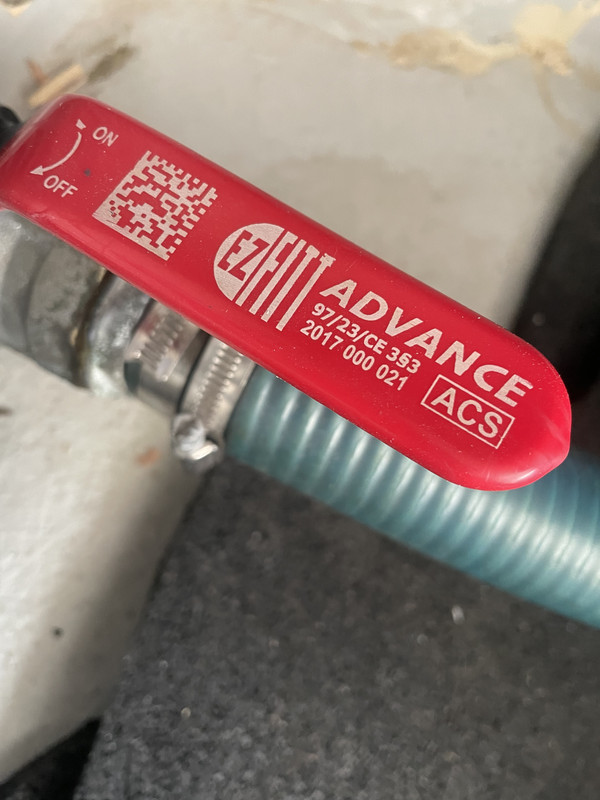
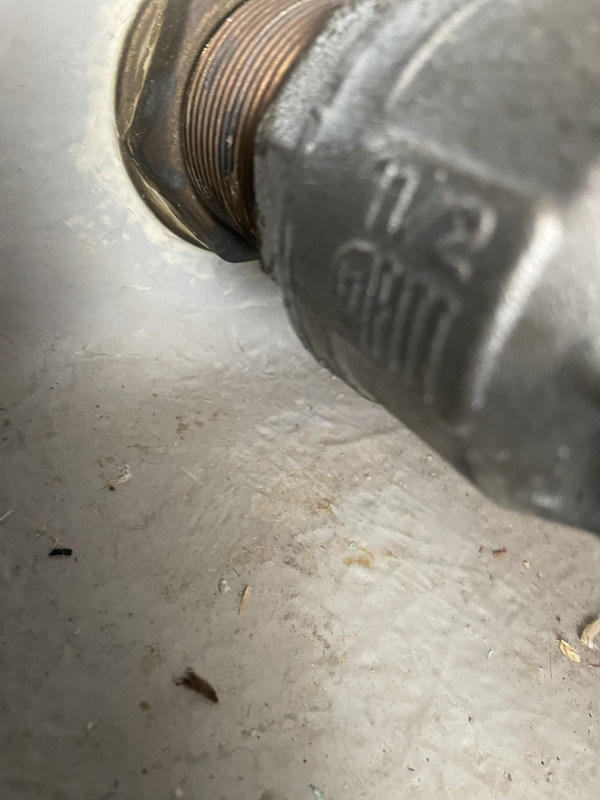
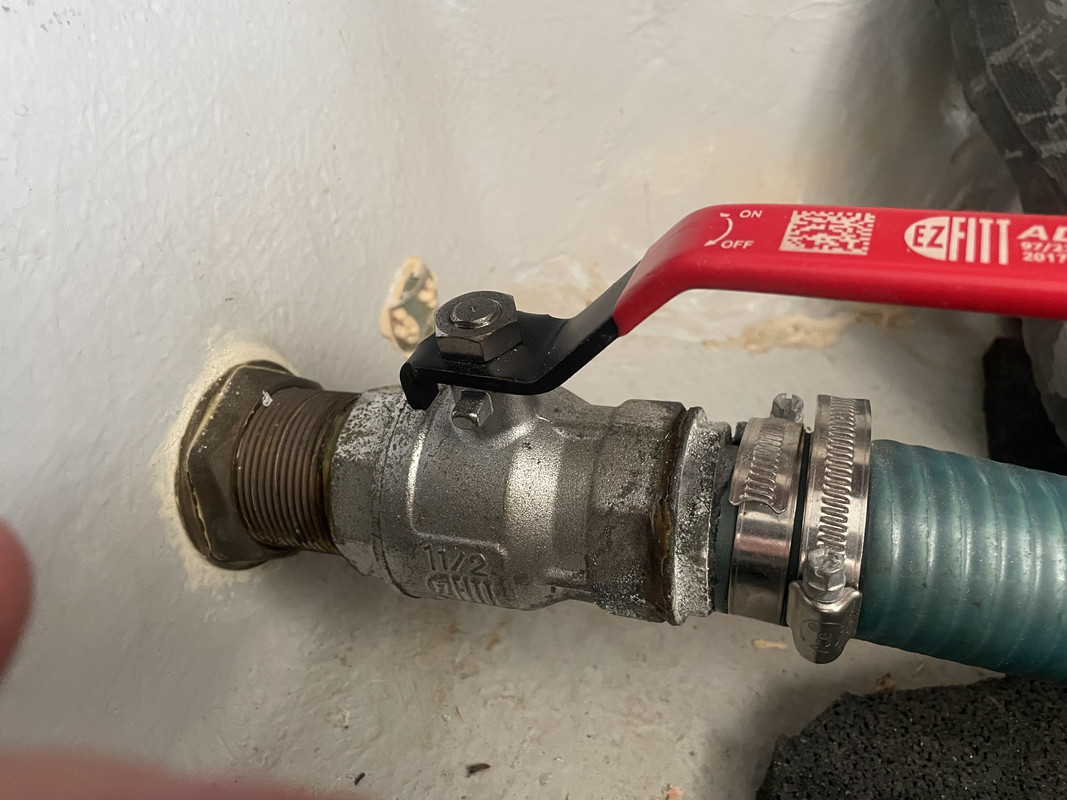
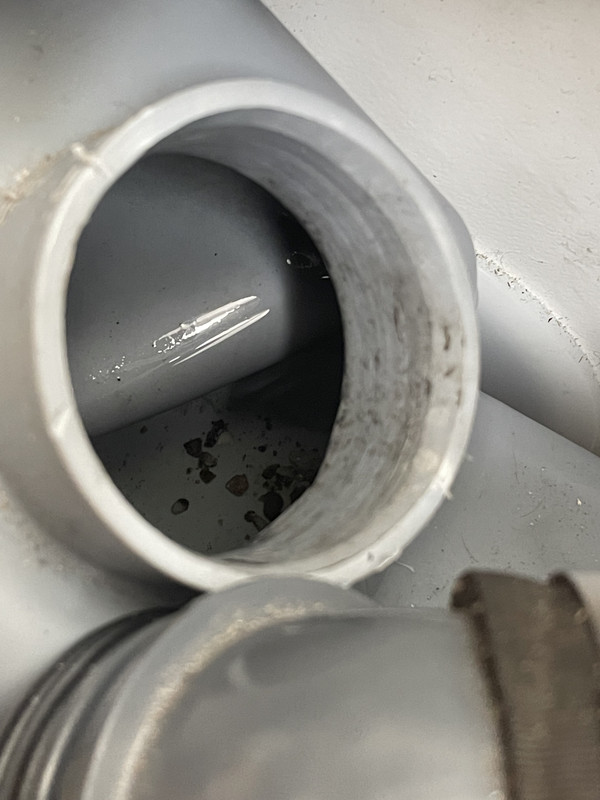
Ok some photos…with some effort and cajoling I got the seacock to close…there is some exterior corrosion..not much (in my opinion)


I haven’t yet researched the numbers to see if it’s DZR
 
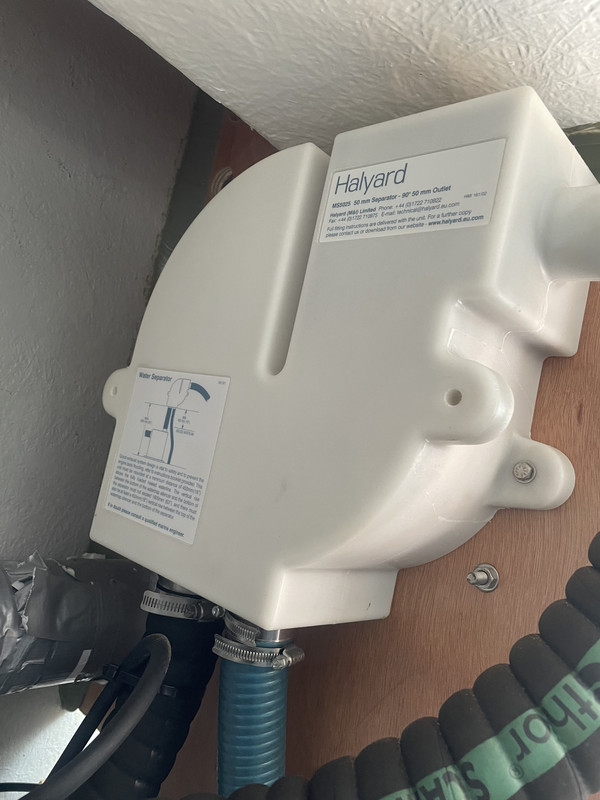
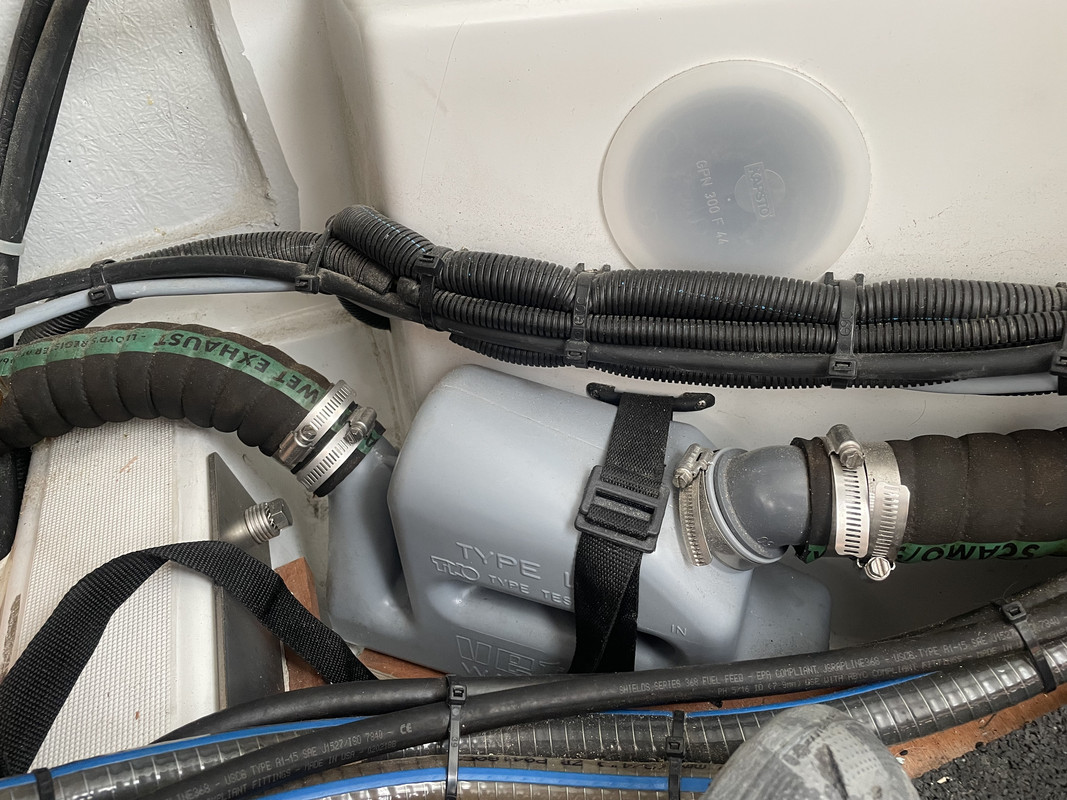
The seacock is fed from the exhaust gas separator (up high)..which is supplied by the water separator (down low)


I thought that my best chance was to see the quality of the water in the water separator


The water is up to the level of the top of that plastic shelf
 
As you can see there are a few flakes at the bottom of the very clear water..I was expecting a sludge, or brown water…but it doesn’t look so bad. I suppose that the rust I cleaned out was flakes but quite a lot and I don’t use the generator that much
 
Top