Seajet
...
I think what a lot of us are beginning to get at is, one may be very experienced, probably pretty fit too, but the foredeck of a big fast boat in the Southern Ocean while trying to tame a huge heavy sail is a task which would make the SBS cringe - or it would / should if they knew what is involved.
People like Sir Francis Chichester - a small but very strong and fit man - handled huge hanked headsails, but I doubt they pushed anything like as hard as say the Clipper boats - and now lots more people and boats are doing it, the law of averages is catching up, and people are getting killed - I think it's that simple, particularly when labour saving devices like headsail rollers are deliberately avoided; I'm extremely well aware of the potential snags with rollers, no golden solution, but most of us here would I think go for them in this situation.
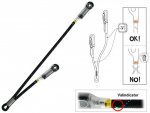
Re tethers and strong points, as alluded to they can only be so strong, there's only so much shock load a body can take; I am not sure about the harness lines used on the Clipper, but one thing I came across as photographer at BAe was that the pilot's parachute straps on ejection seats have rows of progressively weaker stitching, the weaker end taking the load first, so that the stiches break and lines lengthen slightly, easing the shock of the parachute deploying after ejection.
Is anything like this used on marine harness lines ? I don't think mine have this feature, and yes I have looked.
People like Sir Francis Chichester - a small but very strong and fit man - handled huge hanked headsails, but I doubt they pushed anything like as hard as say the Clipper boats - and now lots more people and boats are doing it, the law of averages is catching up, and people are getting killed - I think it's that simple, particularly when labour saving devices like headsail rollers are deliberately avoided; I'm extremely well aware of the potential snags with rollers, no golden solution, but most of us here would I think go for them in this situation.
Re tethers and strong points, as alluded to they can only be so strong, there's only so much shock load a body can take; I am not sure about the harness lines used on the Clipper, but one thing I came across as photographer at BAe was that the pilot's parachute straps on ejection seats have rows of progressively weaker stitching, the weaker end taking the load first, so that the stiches break and lines lengthen slightly, easing the shock of the parachute deploying after ejection.
Is anything like this used on marine harness lines ? I don't think mine have this feature, and yes I have looked.