kdtran
New Member
So, 1 1/2 years ago we decided that we had grown out of our Windy 9800 and started looking for a replacement.
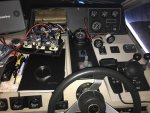
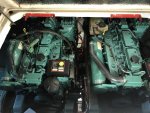
Having spent a large proportion of my childhood aboard Princess', a 1986 model P35 caught my attention. The boat, originally delivered to Switzerland equipped with two petrol engines on sterndrives, had been imported to Norway in 2000 and re-powered with VP AD41P-A engines and DPE sterndrives. Good boat, reliable engines, decent cruising speed, 5 births and at the right price she ticked all boxes.
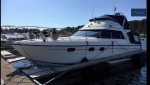
Putting 40+ years of motorboating experience, 20 years professional marine experience and all common sense aside, I looked at the boat, fell in love with the nice interior and made a deal with the seller.
In retrospect I must admit that it was NOT my brightest moment, as the boat turned out to be in significantly worse condition than what I had imagined.
During the 220Nm delivery trip, I suffered an engine stop due to a broken fuel pipe, clogged fuel filters due to diesel bug, and more worrying an escalating fresh water leak from the port engine.
Four weeks after taking over the boat, the port engine was loosing 1 liter of fresh water per hour, and it was all ending up in the bilge.
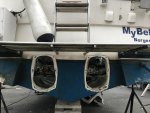
As engine access is "rather" tight on the sterndrive version of the P35, I decided to lift the boat out of the water and remove the engines for a light overhaul, expecting to have her back in the water within a month or two.
How wrong I was...
With the engines out, I got the chance to have a proper look around the engine room to assess the actual status of the technical installations. My conclusion: the boat was in a right mess.
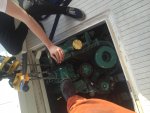
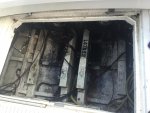
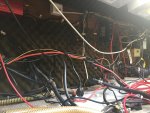
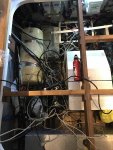
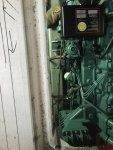
Stringers had been cut to make room for the oilpans of the diesel engines, leaving the core material exposed and hence drenched with a mixture of oil, diesel, coolant and water causing osmosis on the inside of the hull (..), the engine foundations had not been plastered in properly resulting in 4 water soaked pieces of wood underneath a layer of fiberglass, the autopilot pump had never been attached to the bulkhead and was laying loose in the engine room, there were electrical cables going no-where and everywhere, the diesel heater sounded as it was exploding every time it was running, the water tank was leaking heavily, engine room insulation was hanging loose all over the place, the steering hydraulics was leaking on the flybridge, leaving a nice slippery layer of hydraulic oil on the starboard side of the boat, navigation lights were not working as they should, front windows were leaking water, the exhaust pipe from the gas-powered fridge had been disconnected from its original outlet, and in stead been re-routed to terminate behind the port side cockpit settee, mice had at some stage made a nice little nest in one of the ventilation houses behind the starboard cockpit settee but had luckily moved out, etc etc.
I seemed that for every panel I opened I found a new set of surprises.
Fortunately, I had the skills, time and money to undertake what was turning out to be a major project, and selling a wreck of a boat at less than what we payed for it was not an option for neither me nor my family.
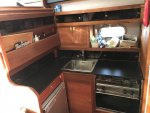
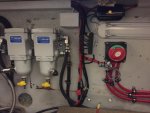
9 months and close to 1300 man-hours after being lifted out of the water, the boat was back in her home port complete with new pantry, serviced engines, new wiring, new engine insulation and much much more.

Finally we could start enjoying boating again!
Yeah, right..
Or rather, we DID enjoy a 3 week summer vacation and a few short day-trips in the autumn, but in December of last year we experienced low and fluctuating oil pressure in the port engine.
I opened the oil filter for inspection and found fragments of white metal in it. Realizing that the engine would require a complete re-build we were forced to make some decisions. Both sterndrives were in need of a re-build, one engine required a complete re-build, the starboard engine had higher running hours than the port engine and had lived the same life as the port engine leaving me wondering how long it would last.
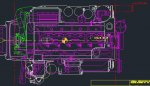
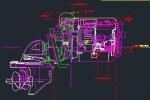
End of story: we decided to go for a re-power and the boat will now be equipped with 2x Volvo Penta D4-260 engines and DPH sterndrives.
I have published a project thread on the Norwegian forum baatplassen.no, and here you can find some more pictures of the work performed so far, and might learn some Norwegian at the same time
http://baatplassen.no/i/topic/129740-prosjekt-nødvendig-oppgradering-av-princess-35/?page=1
If any of you are interested, I will also post some information in this thread covering the re-power process.
All the best from Norway-
Having spent a large proportion of my childhood aboard Princess', a 1986 model P35 caught my attention. The boat, originally delivered to Switzerland equipped with two petrol engines on sterndrives, had been imported to Norway in 2000 and re-powered with VP AD41P-A engines and DPE sterndrives. Good boat, reliable engines, decent cruising speed, 5 births and at the right price she ticked all boxes.
Putting 40+ years of motorboating experience, 20 years professional marine experience and all common sense aside, I looked at the boat, fell in love with the nice interior and made a deal with the seller.
In retrospect I must admit that it was NOT my brightest moment, as the boat turned out to be in significantly worse condition than what I had imagined.
During the 220Nm delivery trip, I suffered an engine stop due to a broken fuel pipe, clogged fuel filters due to diesel bug, and more worrying an escalating fresh water leak from the port engine.
Four weeks after taking over the boat, the port engine was loosing 1 liter of fresh water per hour, and it was all ending up in the bilge.
As engine access is "rather" tight on the sterndrive version of the P35, I decided to lift the boat out of the water and remove the engines for a light overhaul, expecting to have her back in the water within a month or two.
How wrong I was...
With the engines out, I got the chance to have a proper look around the engine room to assess the actual status of the technical installations. My conclusion: the boat was in a right mess.
Stringers had been cut to make room for the oilpans of the diesel engines, leaving the core material exposed and hence drenched with a mixture of oil, diesel, coolant and water causing osmosis on the inside of the hull (..), the engine foundations had not been plastered in properly resulting in 4 water soaked pieces of wood underneath a layer of fiberglass, the autopilot pump had never been attached to the bulkhead and was laying loose in the engine room, there were electrical cables going no-where and everywhere, the diesel heater sounded as it was exploding every time it was running, the water tank was leaking heavily, engine room insulation was hanging loose all over the place, the steering hydraulics was leaking on the flybridge, leaving a nice slippery layer of hydraulic oil on the starboard side of the boat, navigation lights were not working as they should, front windows were leaking water, the exhaust pipe from the gas-powered fridge had been disconnected from its original outlet, and in stead been re-routed to terminate behind the port side cockpit settee, mice had at some stage made a nice little nest in one of the ventilation houses behind the starboard cockpit settee but had luckily moved out, etc etc.
I seemed that for every panel I opened I found a new set of surprises.
Fortunately, I had the skills, time and money to undertake what was turning out to be a major project, and selling a wreck of a boat at less than what we payed for it was not an option for neither me nor my family.
9 months and close to 1300 man-hours after being lifted out of the water, the boat was back in her home port complete with new pantry, serviced engines, new wiring, new engine insulation and much much more.
Finally we could start enjoying boating again!
Yeah, right..
Or rather, we DID enjoy a 3 week summer vacation and a few short day-trips in the autumn, but in December of last year we experienced low and fluctuating oil pressure in the port engine.
I opened the oil filter for inspection and found fragments of white metal in it. Realizing that the engine would require a complete re-build we were forced to make some decisions. Both sterndrives were in need of a re-build, one engine required a complete re-build, the starboard engine had higher running hours than the port engine and had lived the same life as the port engine leaving me wondering how long it would last.
End of story: we decided to go for a re-power and the boat will now be equipped with 2x Volvo Penta D4-260 engines and DPH sterndrives.
I have published a project thread on the Norwegian forum baatplassen.no, and here you can find some more pictures of the work performed so far, and might learn some Norwegian at the same time
http://baatplassen.no/i/topic/129740-prosjekt-nødvendig-oppgradering-av-princess-35/?page=1
If any of you are interested, I will also post some information in this thread covering the re-power process.
All the best from Norway-