

Hurricane
Well-Known Member
Well - here it is a report on our trip to Holland.
We’ve had the boat now for about 18 months. Apart from a channel crossing early last year and a few days to the Isles of Scilly, most or our excursions have been day trips out, mainly to the Isle of Wight. Everything we do with the boat increases our experience and ability to handle her safely. So with this in mind we set off for Holland. We’ve encountered big ships before – in the Solent you learn to keep away from the commercial traffic but we’ve not actually tackled a TSS before. The plan was to take a couple of days cruising from our home berth in the Hamble to Dover and make the crossing there.
We set off in a force 6 which, in itself wasn’t a problem (well not until we’d left the safety of the Solent anyway). An overnight stop in Brighton was welcomed by the crew although the boat was taking the conditions in her stride. Setting off in a force 7 the following morning wasn’t a problem either but conditions grew steadily worse on the trip to Dover. We were, by now surfing down waves on a 22 ton surfboard. About 5 miles out and in a good force 8 I called Dover Port Control and they told us to give them a call when we got nearer. My reply was that we DID want to come in. The very professional voice that replied had a tone of humour but they understood our request saying no problem but still wanted us to let them know when we were about to enter. Our entrance into Dover was memorable - just as we arrived at the western entrance to the harbour, we “fell off” a 30 foot wave which didn’t do a lot for the crew’s confidence. As skipper, I had decided to appoint a helmsman so that I could concentrate on the bigger picture – he was physically exhausted and when we finally turned into the harbour I took over and brought her into the marina. He is an experienced sailor and was physically shaking. After tying up I reread the Channel Pilot on the approach to Dover. Apparently it is difficult in strong westerly’s on a high spring tide – what did we have?
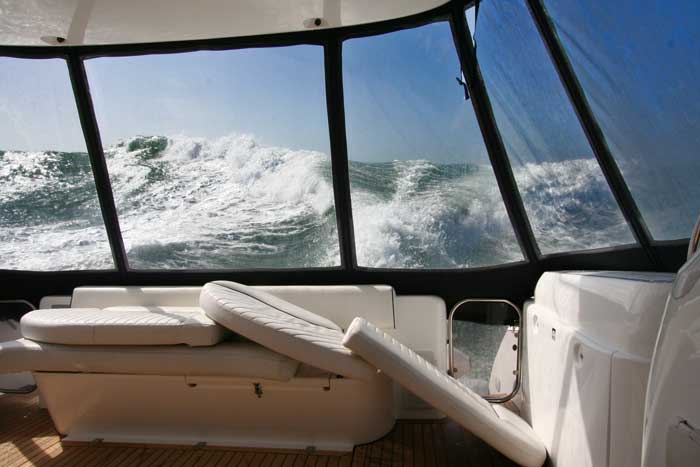
The previous few days had seen exceptionally high spring tides and our plan was to cross to Zeebrugge at low water. Unsure of the banks on the north coast of France and Belgium, we opted to actually run in the TSS on the other side of the channel. The following morning the conditions were much better and our journey to Zeebrugge was mainly uneventful. The marina at Zeebrugge is safe and the staff are friendly. We stopped for a break and to refuel with red diesel. As we had crossed from Dover at low water the tide would be running strongly down the last 15 miles or so to Flushing. With plenty of time in hand, we cruised down at 8kn or 9kn but doing sometimes 15kn over the ground. I was anxious to keep the fuel consumption down whilst in Holland where they only sell the heavily taxed stuff but in reality, we didn’t need any until the return trip and we were able to, again, pick up Belgium red diesel.
We arrived in Flushing by late afternoon / early evening and “locked in”. Bemused that we didn’t have to pay any fee for going through the lock, we rafted up in the little marina.
The following morning, we lined up for our first bridge. Still no charge – is this the norm here in Holland? In fact it was – we didn’t get charged for a single lock or bridge – often stopping traffic on busy roads while we were the only boat waiting.
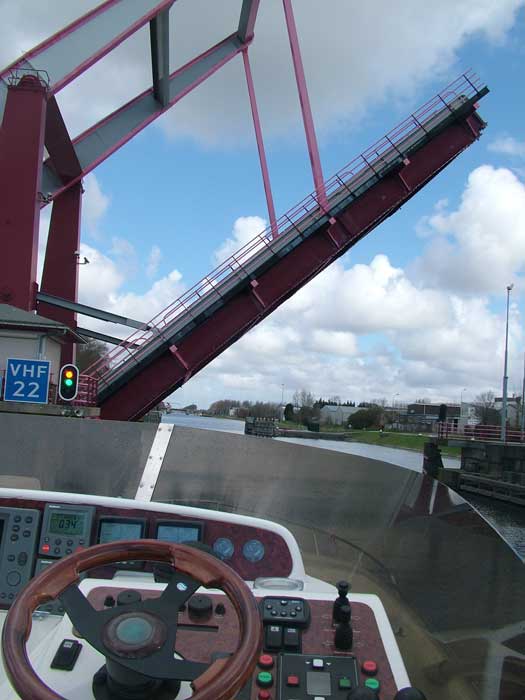
Now we were here – this is what we’d come for.
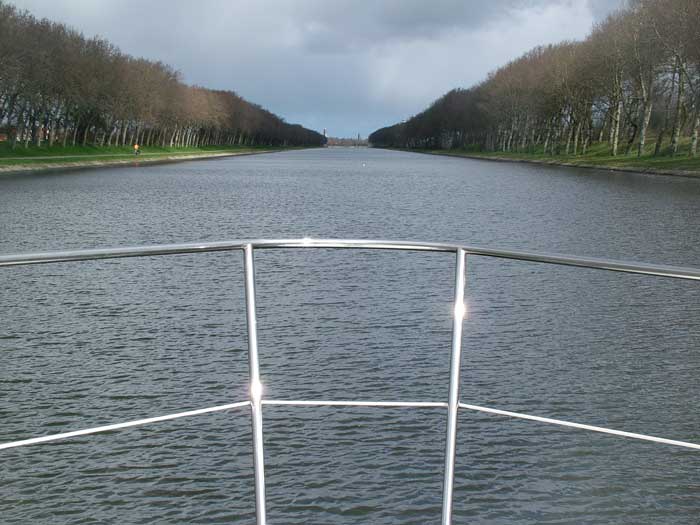
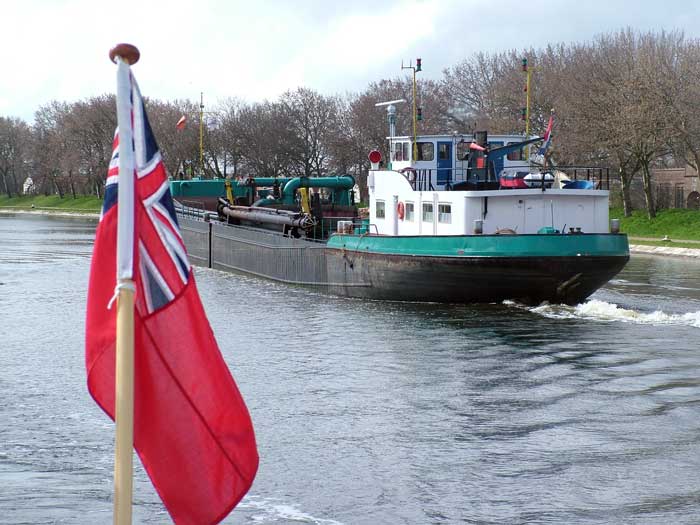
This was early season and most things were closed but we did get the sun, although it was very cold. It would be interesting to see what it is like in the summer. Our next experience was a barge encounter - plenty of room here though. Getting quite cocky now.
Our plan was to initially start at Middleburg then go onto Veere and into the Veerse Meer.
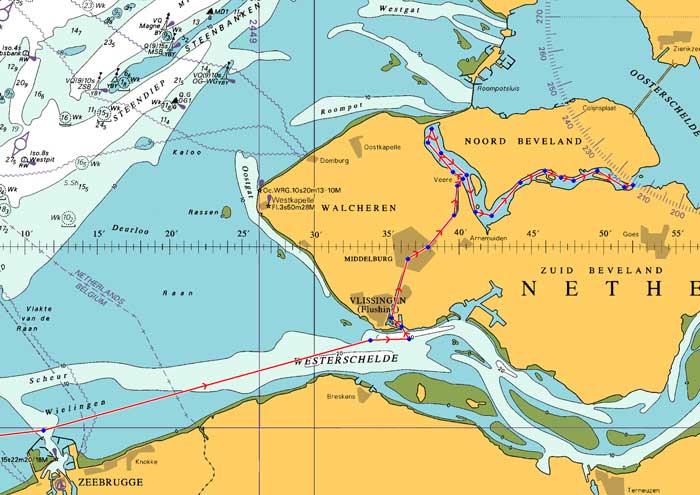
The intention was to stop at Middleburg for lunch but we liked it so much we stayed the night.
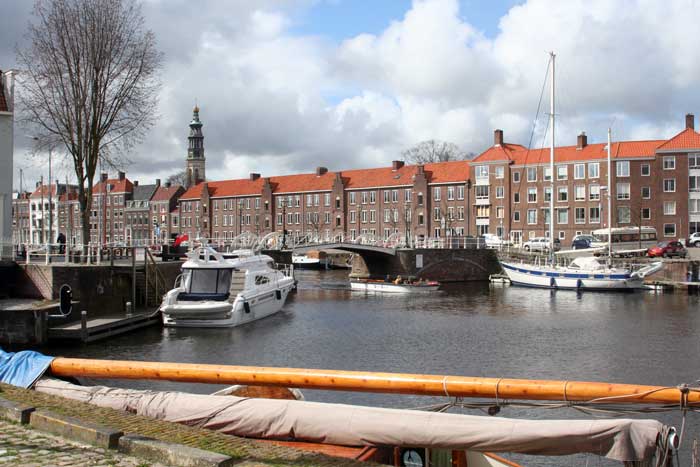
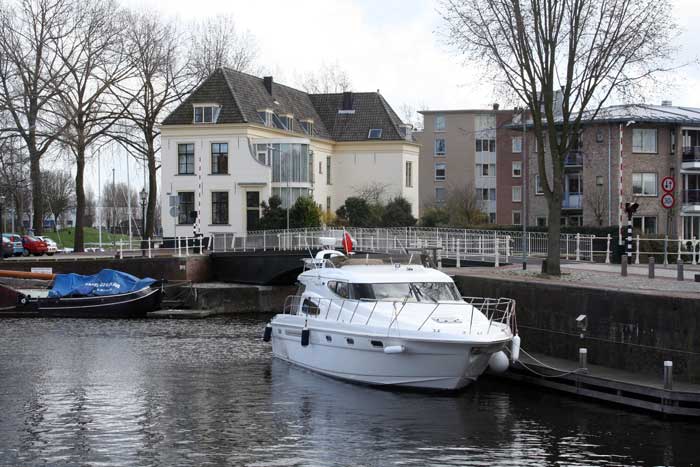
We stayed overnight at Jachthaven Oostwatering which looks really modern from the photos in the pilots but in reality it has been a bit run down. The current owners though are really keen and trying to bring the whole area up to date. Their chandlery was very well stocked so we parted with more money and kitted ourselves out with new oilies and set off to explore the other end of this quite small patch of water.
We got right down to the other end of Veerse Meer and pulled up to the locks to tackle the next stage of our adventure. On pulling up, a voice from a loud speaker on the waiting pontoon said (very politely) “English Yacht – The lock is closed – for one week”. Only then, I noticed the red lights indicating that the voice was correct. Oh – Rollocks! – we had spent 3 days getting here and it was a dead end.
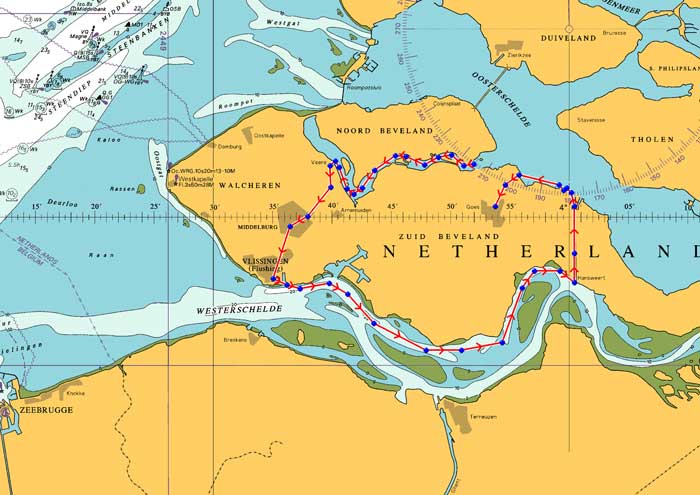
There was no alternative but to retrace our steps back through Middleburg and Flushing so we set to the task. Back in the estuary we could push the speed up and managed the whole round trip including a much larger commercial canal in about 6 hours. Tired, we pulled in at dusk to a delightful marina at Wemeldinge. During the whole two weeks, we only stopped at marinas and most of the time we arrived too late to book in. This is no problem – you simply tie up – plug in - and pay in the morning.
Our next port of call was the delightful town of Goes. The approach is via a lock of course. Getting really cocky now about locks and bridges.
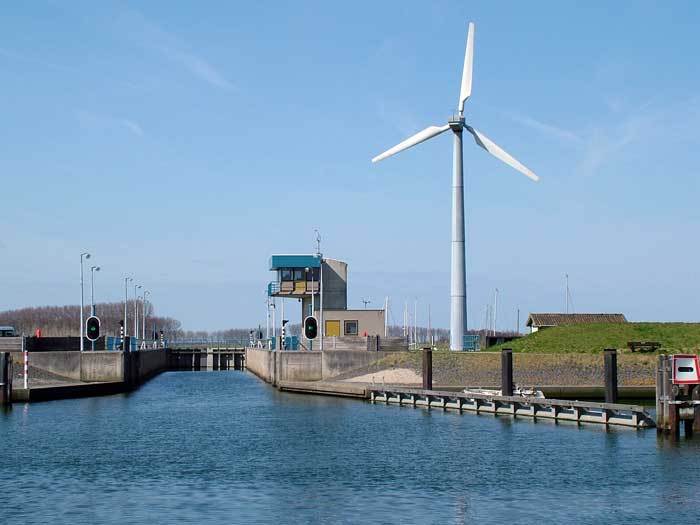
And the canal to Goes was going to be so straight forward
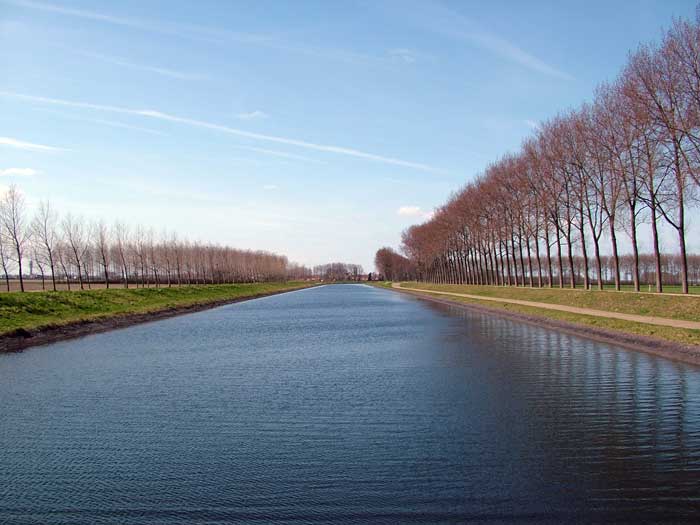
Until
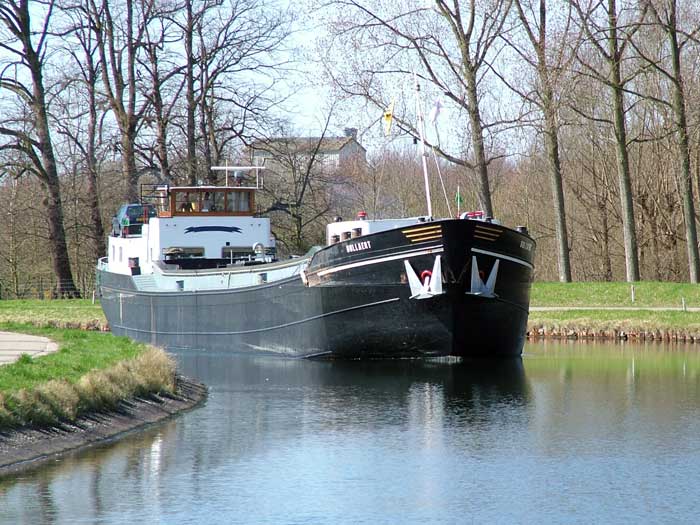
Phew – another experience notched up.
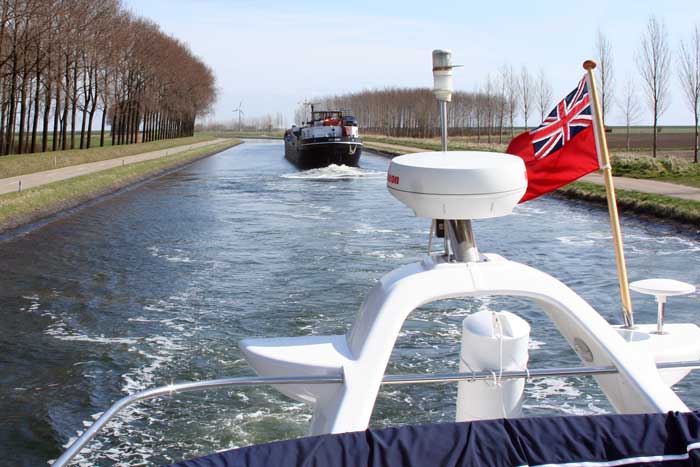
And so on into Goes itself – Incidentally Goes isn’t pronounced Goes – Hcrost but I had a cold and it got too messy to pronounce it properly.
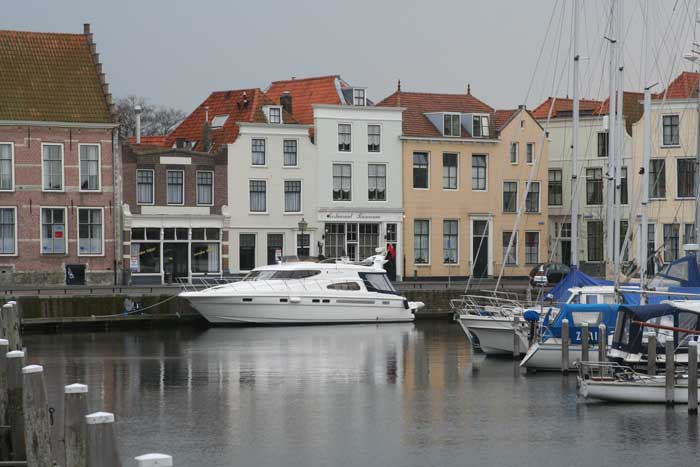
It had been suggested that we should go into Grevlingmeer so the decision was made to push on to Port Zeeland.
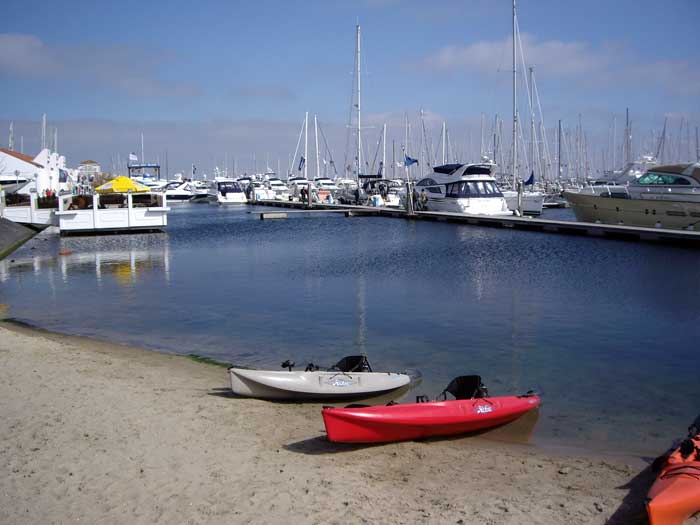
This was probably the largest marina we visited and home to Holland’s Fairline agent. But guess what. To SWIMBO’s horror we arrived in the middle of a boat show!!
Amongst the show there was a little light entertainment
Some Video Clips - Windows WMF - Windows Media Format (I hope they work)
Clip if you have Broadband
Clip if you only have a Dial Up Modem Connection
Sorry about the quality – taken with SWIMBO’s little digital camera. Not up to Gludy standard – I’m afraid.
Then it was off to the Mecca of all forumites
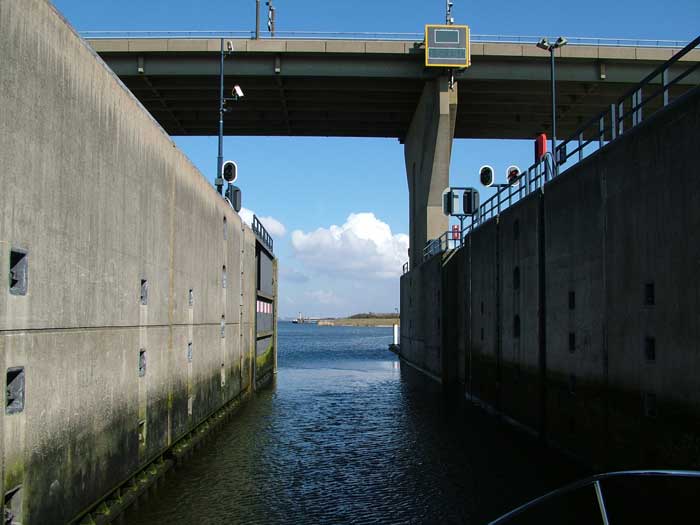
Willemstad and that famous restaurant. Was it going to be as good as everyone said? The answer was a unanimous YES. We opted for the six course surprise.
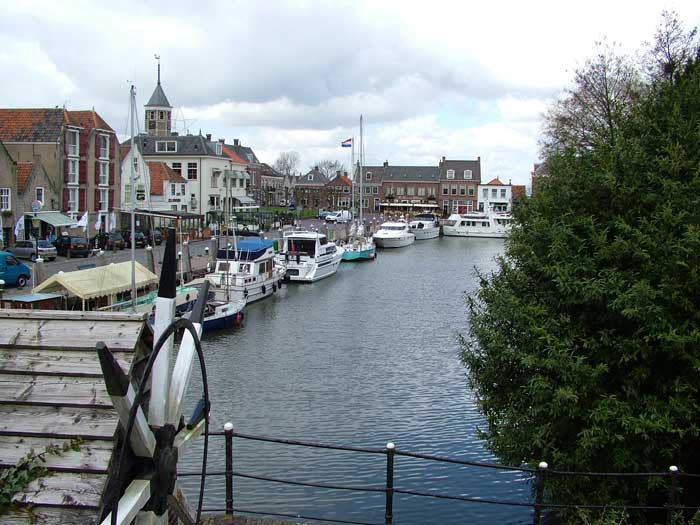
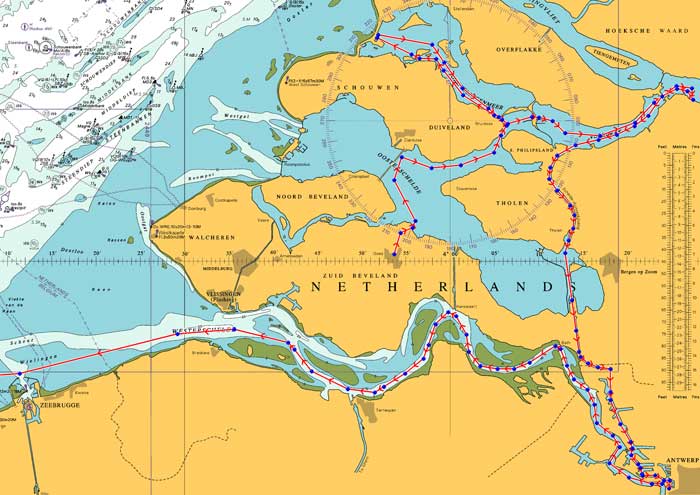
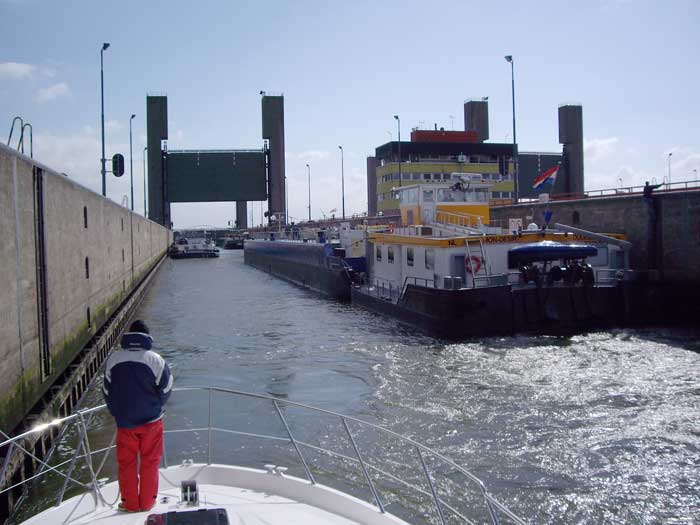
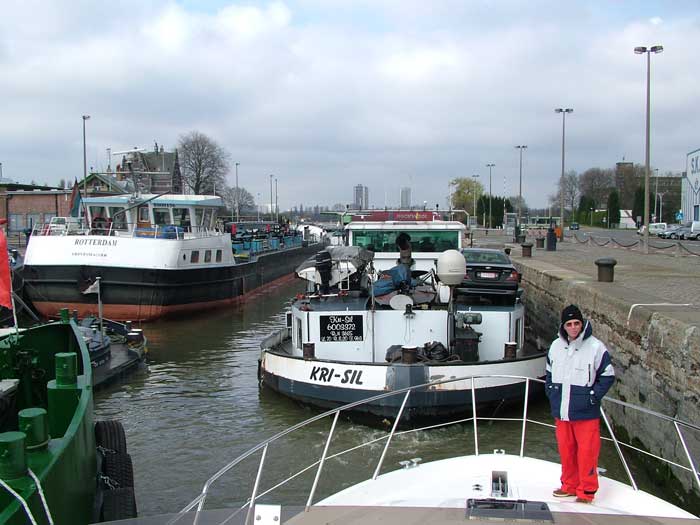
Our final destination before the return crossing would be Antwerp. This meant using the much bigger commercial canal of the Rijnkanaal sharing huge locks with barges that could quite easily pass off as ships.
The procedure to enter Antwerp is a little complicated. You need to get an FD number which, in effect, authorises you to use the port. Without an internet connection, we were advised to call the Antwerp Port Control (Ch 12 from memory) and ask permission to go through the port without a number and get it issued later in the marina. “No problem” was the answer and we sorted everything out with the marina office the next morning. The procedure involved faxing our details and I think they checked the shipping register – we are “Part 1” registered so this process happened very quickly.
Antwerp is in Belgium so we topped up our fuel tanks – In fact we were still nearly three quarters full from Zeebrugge the previous week.
Now all we had to do was to get back to the Hamble.
Firstly, via a terrifying lock into the Westerschelde squeezed in with other commercial vessels.
The trip down the Westerschelde took much longer than expected even with a slightly favourable tide. By the time we got to Zeebrugge we were tired and wanted a cuppa so it was decided to top the tanks again and we would be able to make it all the way home without having to buy any of that very expensive French juice. Back out again – the plan had been to get as far as Calais but because the trip out of Antwerp had taken longer than estimated, we would miss the tidal gate into the harbour. Dunkerque was chosen as the alternative. With an early start we could still make it home the following day.
Up early the next day and tuned into the shipping forecast. Force 7 from the west – tide with us from the east. Yep – you’ve guessed it – Huge seas – Wind over tide. Still – like plonkers – we set off. About an hour later we were considering whether to turn back when we went over a huge wave and crashed into another sending water over and filling the flybridge. The stairs down into the cockpit were like a waterfall. It took over three hours to get to our next bolt hole of Calais. The sea seamed to be calmer in the shallow water nearer the coast so we kept close in watching the depth and position carefully. We finally arrived in Calais about an hour and a half before the lock gates opened. Relieved, we decided to leave the return crossing until the weather eased. You know you’ve got it right when the local fishermen who normally keep their boats outside the marina “lock in” with you.
Thankfully the shipping forecast the following morning reported a high pressure travelling slowly up the English Channel. Variable winds were forecast and Sandetti was reporting “rising slowly” whilst Channel Light Vessel Automatic was “falling slowly”. This meant to us that we had a window of opportunity. The wind had eased from a force 9 overnight to about a 5 or 6. We set off and encountered fog whilst crossing the TSS. Fog is one of those experiences we’ve done before. The visibility was just under half a mile so didn’t present us with much of a problem – we’ve had much worse than that in the past and SWIMBO had the MARPA on the radar well under control. Although the passage was rough to begin with we arrived back in the Solent to a flat calm. After a well deserved dinner in the Oyster Quay we stayed on the boat that night and gave her a really good clean the next day. She had been faultless. She had broken a mirror during some of the heavy seas and one of the fridge doors came off it hinge but clipped back easily. But that was all. We all agreed that the boat is stronger that us.
We, including SWIMBO, thoroughly enjoyed ourselves and we are already thinking of our next adventure.
We’ve had the boat now for about 18 months. Apart from a channel crossing early last year and a few days to the Isles of Scilly, most or our excursions have been day trips out, mainly to the Isle of Wight. Everything we do with the boat increases our experience and ability to handle her safely. So with this in mind we set off for Holland. We’ve encountered big ships before – in the Solent you learn to keep away from the commercial traffic but we’ve not actually tackled a TSS before. The plan was to take a couple of days cruising from our home berth in the Hamble to Dover and make the crossing there.
We set off in a force 6 which, in itself wasn’t a problem (well not until we’d left the safety of the Solent anyway). An overnight stop in Brighton was welcomed by the crew although the boat was taking the conditions in her stride. Setting off in a force 7 the following morning wasn’t a problem either but conditions grew steadily worse on the trip to Dover. We were, by now surfing down waves on a 22 ton surfboard. About 5 miles out and in a good force 8 I called Dover Port Control and they told us to give them a call when we got nearer. My reply was that we DID want to come in. The very professional voice that replied had a tone of humour but they understood our request saying no problem but still wanted us to let them know when we were about to enter. Our entrance into Dover was memorable - just as we arrived at the western entrance to the harbour, we “fell off” a 30 foot wave which didn’t do a lot for the crew’s confidence. As skipper, I had decided to appoint a helmsman so that I could concentrate on the bigger picture – he was physically exhausted and when we finally turned into the harbour I took over and brought her into the marina. He is an experienced sailor and was physically shaking. After tying up I reread the Channel Pilot on the approach to Dover. Apparently it is difficult in strong westerly’s on a high spring tide – what did we have?
The previous few days had seen exceptionally high spring tides and our plan was to cross to Zeebrugge at low water. Unsure of the banks on the north coast of France and Belgium, we opted to actually run in the TSS on the other side of the channel. The following morning the conditions were much better and our journey to Zeebrugge was mainly uneventful. The marina at Zeebrugge is safe and the staff are friendly. We stopped for a break and to refuel with red diesel. As we had crossed from Dover at low water the tide would be running strongly down the last 15 miles or so to Flushing. With plenty of time in hand, we cruised down at 8kn or 9kn but doing sometimes 15kn over the ground. I was anxious to keep the fuel consumption down whilst in Holland where they only sell the heavily taxed stuff but in reality, we didn’t need any until the return trip and we were able to, again, pick up Belgium red diesel.
We arrived in Flushing by late afternoon / early evening and “locked in”. Bemused that we didn’t have to pay any fee for going through the lock, we rafted up in the little marina.
The following morning, we lined up for our first bridge. Still no charge – is this the norm here in Holland? In fact it was – we didn’t get charged for a single lock or bridge – often stopping traffic on busy roads while we were the only boat waiting.
Now we were here – this is what we’d come for.
This was early season and most things were closed but we did get the sun, although it was very cold. It would be interesting to see what it is like in the summer. Our next experience was a barge encounter - plenty of room here though. Getting quite cocky now.
Our plan was to initially start at Middleburg then go onto Veere and into the Veerse Meer.
The intention was to stop at Middleburg for lunch but we liked it so much we stayed the night.
We stayed overnight at Jachthaven Oostwatering which looks really modern from the photos in the pilots but in reality it has been a bit run down. The current owners though are really keen and trying to bring the whole area up to date. Their chandlery was very well stocked so we parted with more money and kitted ourselves out with new oilies and set off to explore the other end of this quite small patch of water.
We got right down to the other end of Veerse Meer and pulled up to the locks to tackle the next stage of our adventure. On pulling up, a voice from a loud speaker on the waiting pontoon said (very politely) “English Yacht – The lock is closed – for one week”. Only then, I noticed the red lights indicating that the voice was correct. Oh – Rollocks! – we had spent 3 days getting here and it was a dead end.
There was no alternative but to retrace our steps back through Middleburg and Flushing so we set to the task. Back in the estuary we could push the speed up and managed the whole round trip including a much larger commercial canal in about 6 hours. Tired, we pulled in at dusk to a delightful marina at Wemeldinge. During the whole two weeks, we only stopped at marinas and most of the time we arrived too late to book in. This is no problem – you simply tie up – plug in - and pay in the morning.
Our next port of call was the delightful town of Goes. The approach is via a lock of course. Getting really cocky now about locks and bridges.
And the canal to Goes was going to be so straight forward
Until
Phew – another experience notched up.
And so on into Goes itself – Incidentally Goes isn’t pronounced Goes – Hcrost but I had a cold and it got too messy to pronounce it properly.
It had been suggested that we should go into Grevlingmeer so the decision was made to push on to Port Zeeland.
This was probably the largest marina we visited and home to Holland’s Fairline agent. But guess what. To SWIMBO’s horror we arrived in the middle of a boat show!!
Amongst the show there was a little light entertainment
Some Video Clips - Windows WMF - Windows Media Format (I hope they work)
Clip if you have Broadband
Clip if you only have a Dial Up Modem Connection
Sorry about the quality – taken with SWIMBO’s little digital camera. Not up to Gludy standard – I’m afraid.
Then it was off to the Mecca of all forumites
Willemstad and that famous restaurant. Was it going to be as good as everyone said? The answer was a unanimous YES. We opted for the six course surprise.
Our final destination before the return crossing would be Antwerp. This meant using the much bigger commercial canal of the Rijnkanaal sharing huge locks with barges that could quite easily pass off as ships.
The procedure to enter Antwerp is a little complicated. You need to get an FD number which, in effect, authorises you to use the port. Without an internet connection, we were advised to call the Antwerp Port Control (Ch 12 from memory) and ask permission to go through the port without a number and get it issued later in the marina. “No problem” was the answer and we sorted everything out with the marina office the next morning. The procedure involved faxing our details and I think they checked the shipping register – we are “Part 1” registered so this process happened very quickly.
Antwerp is in Belgium so we topped up our fuel tanks – In fact we were still nearly three quarters full from Zeebrugge the previous week.
Now all we had to do was to get back to the Hamble.
Firstly, via a terrifying lock into the Westerschelde squeezed in with other commercial vessels.
The trip down the Westerschelde took much longer than expected even with a slightly favourable tide. By the time we got to Zeebrugge we were tired and wanted a cuppa so it was decided to top the tanks again and we would be able to make it all the way home without having to buy any of that very expensive French juice. Back out again – the plan had been to get as far as Calais but because the trip out of Antwerp had taken longer than estimated, we would miss the tidal gate into the harbour. Dunkerque was chosen as the alternative. With an early start we could still make it home the following day.
Up early the next day and tuned into the shipping forecast. Force 7 from the west – tide with us from the east. Yep – you’ve guessed it – Huge seas – Wind over tide. Still – like plonkers – we set off. About an hour later we were considering whether to turn back when we went over a huge wave and crashed into another sending water over and filling the flybridge. The stairs down into the cockpit were like a waterfall. It took over three hours to get to our next bolt hole of Calais. The sea seamed to be calmer in the shallow water nearer the coast so we kept close in watching the depth and position carefully. We finally arrived in Calais about an hour and a half before the lock gates opened. Relieved, we decided to leave the return crossing until the weather eased. You know you’ve got it right when the local fishermen who normally keep their boats outside the marina “lock in” with you.
Thankfully the shipping forecast the following morning reported a high pressure travelling slowly up the English Channel. Variable winds were forecast and Sandetti was reporting “rising slowly” whilst Channel Light Vessel Automatic was “falling slowly”. This meant to us that we had a window of opportunity. The wind had eased from a force 9 overnight to about a 5 or 6. We set off and encountered fog whilst crossing the TSS. Fog is one of those experiences we’ve done before. The visibility was just under half a mile so didn’t present us with much of a problem – we’ve had much worse than that in the past and SWIMBO had the MARPA on the radar well under control. Although the passage was rough to begin with we arrived back in the Solent to a flat calm. After a well deserved dinner in the Oyster Quay we stayed on the boat that night and gave her a really good clean the next day. She had been faultless. She had broken a mirror during some of the heavy seas and one of the fridge doors came off it hinge but clipped back easily. But that was all. We all agreed that the boat is stronger that us.
We, including SWIMBO, thoroughly enjoyed ourselves and we are already thinking of our next adventure.
Last edited:


