
billskip
Well-Known Member
I really think you should give up assuming...I assumed

I really think you should give up assuming...I assumed

I really think you should give up assuming...


Isn't there some little ditty about assuming making you look an ass, or something?I really think you should give up assuming...

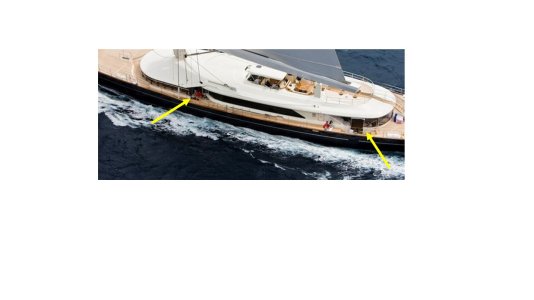
I remain convinced that the main (only?) problem is likely to have been the catastrophic entry of masses of water through the openings on the deck, i.e. here:Why did the Bayesian sink and Sir Robert Baden Powell remain largely unaffected .... this is footage of a relatively small waterspout (common in the Med, I've seen a few) hitting an anchored AWB and laying it on its side. It is very localised and the nearby boats don't get touched. This one pops up again with just canvass damage - still would not want to be on board though.
Assumptions can be particularly harmful to your mental health because they often lead to distorted thinking and unrealistic expectations.Isn't there some little ditty about assuming making you look an ass, or something?
Often spouted by the same sort of people who claim there's "no 'I' in 'team'" and then take credit for all your work.Isn't there some little ditty about assuming making you look an ass, or something?
For a superyacht that is not a lot of openingsI remain convinced that the main (only?) problem is likely to have been the catastrophic entry of masses of water through the openings on the deck, i.e. here:View attachment 193694

Yeah. Could apply to the sort of people who use the word 'spout' on forums.Assumptions can be particularly harmful to your mental health because they often lead to distorted thinking and unrealistic expectations.
Was that the one you were thinking?

I do wonder if some instant experts have ever actually seen a superyacht?For a superyacht that is not a lot of openings
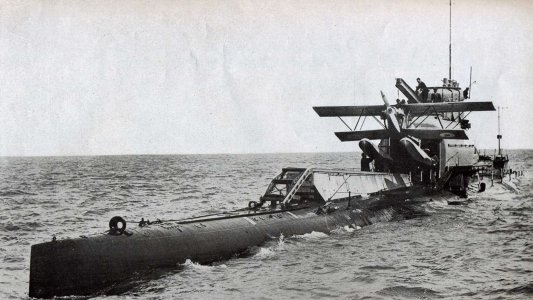
I think years ago they designed a submarine aircraft carrier.....For a superyacht that is not a lot of openings
For a superyacht that is not a lot of openings
At this point (90 degrees in LESS than 15s) any large vessel is susceptible to water entering the hull
I think years ago they designed a submarine aircraft carrier.....
I think it sunk because the watertight doors were a problem....
I’ve missed something here, where do you get 40deg from for the angle of down flooding?Most large vessels are Mobos and not likely to a) Heel close to 40 in normal use. b) Have a massive pole on top with huge leverage.
This vessel seems to have suffered a knockdown at anchor. There's a least one video of a vessel of this "genre" knocked down in a Marina. You just don't see Cruise Ships doing that, so they can get away with openings off the centre line and because they have more space they probably find it easier to fit intakes on the centreline. These semi-sailing vessels have the double whammy that their intakes can't easily go on the centre line and are also far more like to submerge in normal use.
I’ve missed something here, where do you get 40deg from for the angle of down flooding?
Isn't there some little ditty about assuming making you look an ass, or something?

I'm not at home so can't comment on the river Mole in Surrey, but if it had risen by that amount it would have been mentioned in the newsYesterday at 8 am, the river Mole was 0.26 m high......by 9.45 am it was 11.43 m
