eddystone
Well-Known Member
Just rechecked Beta specification for antifreeze - mono ethylene glycol extended life. Neither Europarts nor Halfords stock this. Any ideas where I can get it? Not absolutely urgent so online OK


Yes they doJust rechecked Beta specification for antifreeze - mono ethylene glycol extended life. Neither Europarts nor Halfords stock this. Any ideas where I can get it? Not absolutely urgent so online OK
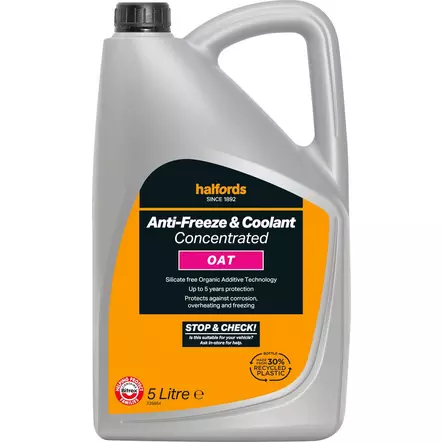
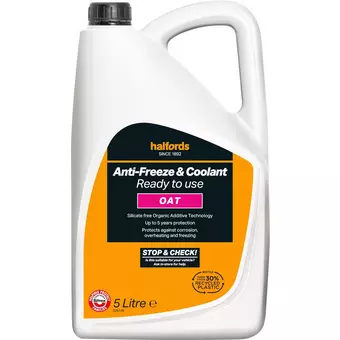

I think that's common or garden long life antifreeze. e.g.
Super Longlife Red - Antifreeze : Antifreeze & Coolants : Products Guide : Moove Lubricants Limited
Deionised water seems hard to find at the moment! Even harder since I've bought 3/4 of the stock in my local Bean Queue.
That would seem to fit the billI think that's common or garden long life antifreeze. e.g.
Super Longlife Red - Antifreeze : Antifreeze & Coolants : Products Guide : Moove Lubricants Limited
Deionised water seems hard to find at the moment! Even harder since I've bought 3/4 of the stock in my local Bean Queue.
Halfords appear to have it avaialble . At £3.90 for 5 litres ITYWF Thats less than B&Q's priceI think that's common or garden long life antifreeze. e.g.
Super Longlife Red - Antifreeze : Antifreeze & Coolants : Products Guide : Moove Lubricants Limited
Deionised water seems hard to find at the moment! Even harder since I've bought 3/4 of the stock in my local Bean Queue.

Bit late for me now, but 3l out of B&Q's 4 litre stock for £3.24 saves me 66p and avoids the need to make space for a 5litre can on my shelf for the next 2 years!Halfords appear to have it avaialble . At £3.90 for 5 litres ITYWF Thats less than B&Q's price
The dehumidifier produces water with presumably few minerals, just a bit of fluff and mould....I have a reverse osmosis system at home as a result of the lad's tropical fish. Similar technology to water makers and dribbles out very pure water. Would a water maker produce sufficiently pure water I wonder?


That’s very informative and explains in a way I haven’t seen elsewhere - thank youNAP. Nitrite and phosphate. These can lead to problems with solder bloom (corrosion) and aluminum corrosion (radiators). Can be EG or PG.
Monoethylene glycol. As opposed to diethylene glycol, which isn't used in coolants anyway. Just ethylene glycol.
There is no important functional difference between ethylene and propylene glycols, other than mammalian toxicity.
Reducing the concentration below 50%, even if freeze protection is not needed, reduces corrosion protection. All studies and specs are based on this. Your funeral. Engine manufactures spec 50% for this reason.
Dehumidifier and home RO (not seawater) are fine. Air conditioning condensate is variable. NEVER softened water (treated with salt). Distilled water, of course.
OAT. Organic acid technology. Means the primary corrosion inhibitors are selected from a group of di-carboxilic acids. Generally means extended life, although that phrase has never actually been defined in a standard (fact). Can be EG or PG. No, they are not going to tell you what is in it because that is proprietary., but 2-ethylhexanoic acid (2EH) is very common, along with buffers and red metal inhibitors and a trace of silicate.
Remember that extended life has NO MEANING in marine applications, only vehicle applications. Because of the risk of seawater contamination, which just a few percent invalidates the extended life character, it should be either tested for chloride (not chlorine) every 2 years or replaced.
(Many years active in engine coolant chemistry)

Reverse osmosis water is very pure and fine for coolant and batteries.I have a reverse osmosis system at home as a result of the lad's tropical fish. Similar technology to water makers and dribbles out very pure water. Would a water maker produce sufficiently pure water I wonder?

Why would you do that?MEG ... DEG .... PEG ...... sorted out hundreds of thousands of tons of the stuff .....
MEG is basically the only Ethylene based Glycol used in Antifreeze.
Come over here with our winters and you put neat Antifreeze in your cars systems - no water !! - (for boats its recc'd to drain the whole systems down here before winter ) .............. In the screen washers - its neat -30C fluid (not MEG of course).
Why would you do that?
The freezing point of of neat ethylene glycol is only -12.8C compared with -37.8 for a 50% solution
Also the specific heat is only 2.7 kJ /kg/°C compared with 3.7 kJ/kg/°C , making it a less effective heat transfer medium
and the viscosity, at engine operating temperature, is approx 2.3 centiPoise compared with approx 0.7 meaning it will require greater pumping power