Anchor modification, specifically 'moving' the centre of a 10mm hole by 2mm

I worked (in the steel industry - from blast furnace, BOS, EAF (200t) and alloying ladles), but not in engineering (or not in fabrication engineering) - and I confess to not know what 'hot work' means.

Jonathan

Hot work to me was an electric arc furnace making stainless operating at 1800 deg C
 
Last edited:
I worked (in the steel industry - from blast furnace, BOS, EAF (200t) and alloying ladles), but not in engineering (or not in fabrication engineering) - and I confess to not know what 'hot work' means.

Jonathan

Hot work to me was an electric arc furnace making stainless operating at 1800 deg C
Around oil refineries and other industries with flammable liquids and gases, a permit ("hot work") must be issued before any work can begin that will cause sparks or ignition risk. Welding, grinding, chipping, and so forth. Basically, the area and work practices must be evaluated.
 
I worked (in the steel industry - from blast furnace, BOS, EAF (200t) and alloying ladles), but not in engineering (or not in fabrication engineering) - and I confess to not know what 'hot work' means.

Jonathan

Hot work to me was an electric arc furnace making stainless operating at 1800 deg C
In underground coal mining, where there can be inflammable gases like methane, the slightest spark can cause an explosion. Even coal dust can explode. In that industry, engineering practices had to be modified to suit. QED.
 
In underground coal mining, where there can be inflammable gases like methane, the slightest spark can cause an explosion. Even coal dust can explode. In that industry, engineering practices had to be modified to suit. QED.
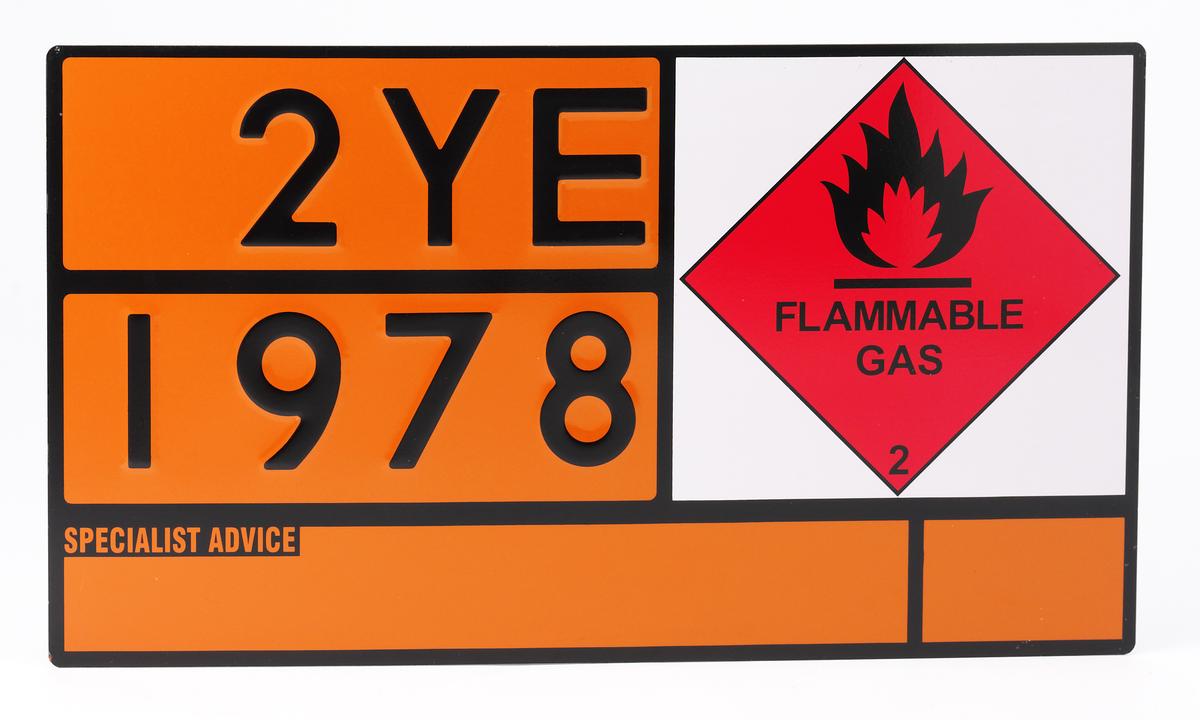
Interestingly, inflammable is now considered archaic because of the potential for misinterpretation as non-flammable. For example, insoluble or inescapable. Flammable is now used in regulations and signage; my understanding is that this is international. Petrol tankers have not been labeled as inflammable in 50 years.

VS2230.jpg
 
Interestingly, inflammable is now considered archaic because of the potential for misinterpretation as non-flammable. For example, insoluble or inescapable. Flammable is now used in regulations and signage; my understanding is that this is international. Petrol tankers have not been labeled as inflammable in 50 years.

VS2230.jpg
Well, I suppose I am a bit archaic, but I agree, flammable makes more sense than inflammable. In underground coal mining, it was the explosive capability that we were concerned about.
 
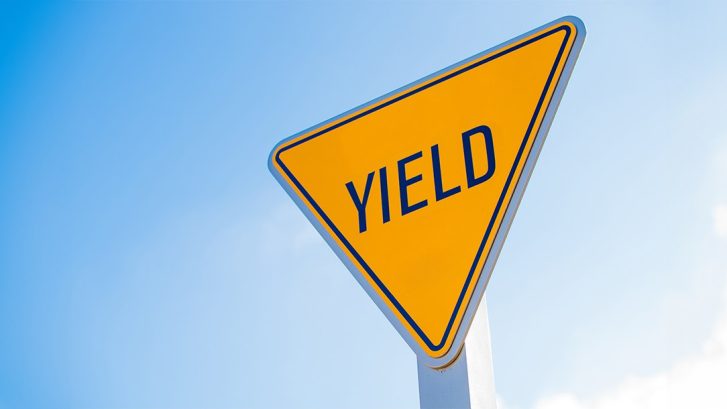
In the 80s and 90s, in the US, a common training slide to remind people to pay attention to what they see used to be this:

The-Yellow-Yield-Sign-727x409.jpg


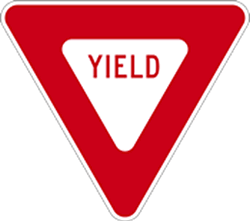
You would ask if these were common. They would say, yes, obviously. Then you would point out that they had all been changed in 1971 to the new international standard.

122.gif
 
In the 80s and 90s, in the US, a common training slide to remind people to pay attention to what they see used to be this:

The-Yellow-Yield-Sign-727x409.jpg


You would ask if these were common. They would say, yes, obviously. Then you would point out that they had all been changed in 1971 to the new international standard.

122.gif
How international is that? I don't think I've ever seen either of these in the UK.
 
How international is that? I don't think I've ever seen either of these in the UK.
The wording varies between nations, but the shape and color are international. In the UK it may say "give way." In Germany, for example, there is no text; drivers are well trained, there is often a secondary instruction below it, and the shape is enough.

The change in color was my point. That we don't always pickup on changes. I had not really noticed the change from yellow to red.

multiple-traffic-signs-indicating-parking-regulations-yield-requirements-445146365.jpg


hq720.jpg
 
I do lots of fabrication (no, honestly) and other engineering work. I would re-drill the hole by clamping it down in the correct position and using a slot drill. Preferably in a vertical mill but a good solid drill press would do. Because it is stainless, use low revolutions, lots of cutting fluid and plenty of pressure so that it cuts, not rubs.
 
I'll look out for fuel road tankers to see what signage they have at the rear.

Sadly they have become very scarce recently. :(


Coal mines were one location for explosions caused by dust the other product was aluminium powders, same propensity for explosions. Aluminium as pigment, for paint, commonly caused explosions and deaths.

Apologies for drifting from road signs to anchors but

Going full circle - I recall that one of the Knox sons was involved with alluminium powders and separately anchors are often painted with aluminium sprayed paint to hide the differences in the colour of galvanised steel when products made from a mix of different alloys are galvanised together, mild steel and HT steel, shank and fluke, for example.

Jonathan
 
Last edited:
Top