
NickRobinson
Well-Known Member
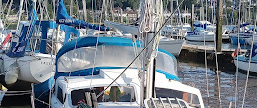 My sprayhood windscreen was milky and is now split. Those who have had similar, DIY? Or recommend a trusted repairer and some ball park prices please.
 My sprayhood windscreen was milky and is now split. Those who have had similar, DIY? Or recommend a trusted repairer and some ball park prices please.

Yes, the flexible vinyl windows in spray hoods can absorb water, which can lead to them becoming foggy or cloudy, particularly in cold or humid conditions. This is not due to a manufacturing defect, but rather a natural characteristic of the material.
The process of water absorption occurs due to these factors:
Material composition: Flexible windows for boats are typically made from a type of PVC plastic. The surface of this material is soft, and over time, it can degrade due to exposure to UV rays and other environmental factors. This degradation makes it more susceptible to absorbing moisture.
Condensation: When there is a significant temperature difference between the interior and exterior of the spray hood, water vapor from the warmer side can condense on the cooler window surface. Since the vinyl is slightly porous, some of this moisture can be drawn into the plastic itself, causing a foggy appearance.
Trapped moisture: Water can also become trapped between layers of the window or in tiny, microscopic scratches that form on the surface. Once there, it is slow to evaporate, causing persistent haziness.
How to deal with foggy or cloudy vinyl windows
Temporary fogging: If the fogginess is due to normal absorption, it can often be cleared by moving the spray hood to a warm, dry area. The heat will help draw the absorbed moisture out of the vinyl.
Degradation: If the fogginess does not clear up and the vinyl is also becoming brittle, it is likely due to long-term UV degradation. At this point, the windows will need to be replaced.
Cleaning and protection: To prolong the life and clarity of your windows, proper maintenance is crucial.
Use the right cleaners: Avoid household glass cleaners, which contain chemicals like ammonia that will damage the vinyl. Instead, use specialty marine vinyl cleaners and protectors from brands like Star brite or 303.
Apply protectant: Use a protectant specifically designed for clear vinyl. These products help to fill in tiny scratches, inhibit the loss of plasticizers that keep the vinyl flexible, and provide a UV-protective coating to prevent future damage.
We use 20 thou (0.5mm) Crystal View, which seems to last a long time without clouding. You can get scratch resistant but I'm not sure it's worth the extra cost. It goes right up to 1mm but that's very stiff and unmanageable. You can also get 10 thou but I wouldn't recommend it.View attachment 201344 My sprayhood windscreen was milky and is now split. Those who have had similar, DIY? Or recommend a trusted repairer and some ball park prices please.

It’s tit bits like that which make this forum so invaluable. Great tip, thanksI have done one or two on our old, relegated to over winter sprayhood without problem. I was advised to leave the old plastic in place for as long as possible when stitching in the new plastic to keep the shape. One suggestion was to stitch over the old plastic then cut it out using a stanley knife.
That is what I did.I have done one or two on our old, relegated to over winter sprayhood without problem. I was advised to leave the old plastic in place for as long as possible when stitching in the new plastic to keep the shape. One suggestion was to stitch over the old plastic then cut it out using a stanley knife.

