Winter birds

Even ardent birders can find some kinds uninteresting. One I knew, while ecstatic over things like snow buntings (in Svalbard) classed a lot of birds as "boring brown birds"!
Easily done, and I think it is something we all feel at times, though we can be caught out. In my youth one never gave house sparrows a second thought but now it is something of a surprise to see one, let alone a flock. I used to think of starlings as just second-rate blackbirds, but watching a murmuration that appeared locally for a few days was awe-inspiring and one of the highlights of my life. the trouble with LBJs, little brown jobs, is that sometimes there will be a treasure in a mixed flock. A few years ago at Titchmarsh among the many meadow pipits there was one water pipit, which is distinctly uncommon.
 
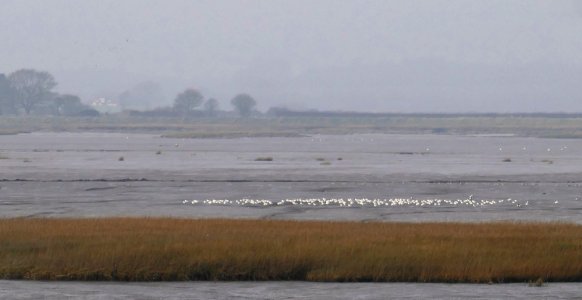
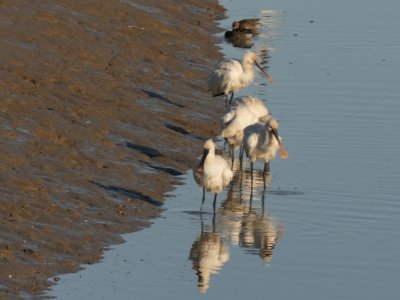
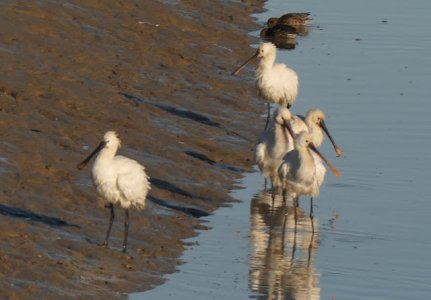
Can recall in the 1980s ? driving to work and spotting a solitary strange looking albino "Heron" on a marsh bordering the south side of the Medway.
Now they are everywhere.
 
Easily done, and I think it is something we all feel at times, though we can be caught out. In my youth one never gave house sparrows a second thought but now it is something of a surprise to see one, let alone a flock. I used to think of starlings as just second-rate blackbirds, but watching a murmuration that appeared locally for a few days was awe-inspiring and one of the highlights of my life. the trouble with LBJs, little brown jobs, is that sometimes there will be a treasure in a mixed flock. A few years ago at Titchmarsh among the many meadow pipits there was one water pipit, which is distinctly uncommon.
I remember chaffinches (which are actually quite pretty) being ten a penny when I was in my teens - now I'd certainly pay attention if I saw one. And the same for puffins - we sailed from Dunbar, so the colony at the Isle of May meant we saw lots. But these days they're distinctly rare - probably the result of industrial sand-ell fishing.
 
I remember chaffinches (which are actually quite pretty) being ten a penny when I was in my teens - now I'd certainly pay attention if I saw one. And the same for puffins - we sailed from Dunbar, so the colony at the Isle of May meant we saw lots. But these days they're distinctly rare - probably the result of industrial sand-ell fishing.
I believe you are right about the sand-eels - it is not as if they eat them; just spread them as fertiliser I'm told.

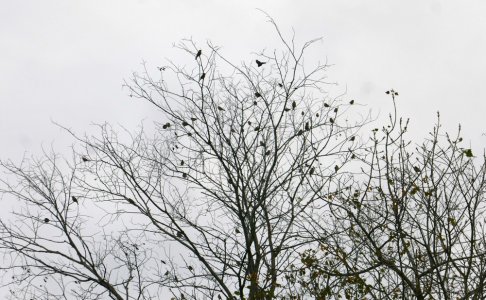
A nearby field has been planted with millet for a year or two and last year I counted a flock of sixty, almost all chaffinches. there was a smaller flock a few weeks ago, some of which are here:
P1100170.JPG
 
Easily done, and I think it is something we all feel at times, though we can be caught out. In my youth one never gave house sparrows a second thought but now it is something of a surprise to see one, let alone a flock. I used to think of starlings as just second-rate blackbirds, but watching a murmuration that appeared locally for a few days was awe-inspiring and one of the highlights of my life. the trouble with LBJs, little brown jobs, is that sometimes there will be a treasure in a mixed flock. A few years ago at Titchmarsh among the many meadow pipits there was one water pipit, which is distinctly uncommon.
My dad was a keen birder, which he passed down to his sons. Our mum mostly classed them a LBJs
 
Easily done, and I think it is something we all feel at times, though we can be caught out. In my youth one never gave house sparrows a second thought but now it is something of a surprise to see one, let alone a flock. I used to think of starlings as just second-rate blackbirds, but watching a murmuration that appeared locally for a few days was awe-inspiring and one of the highlights of my life. the trouble with LBJs, little brown jobs, is that sometimes there will be a treasure in a mixed flock. A few years ago at Titchmarsh among the many meadow pipits there was one water pipit, which is distinctly uncommon.
The East Coast is great for birding. It's the first piece of land many of the Winter migrants encounter and there's all that mud to forage on.

Starlings are beautiful birds if you get them in their Summer plumage. The iridescence of their feathers is fabulous.
 
I have two favourites. Curlew - for their call which to me is the defining noise of east coast estuaries, and I love Oystercatchers just because they seem so full of themselves, marching around shouting at one another. They really seem to have a character.
 
I have two favourites. Curlew - for their call which to me is the defining noise of east coast estuaries, and I love Oystercatchers just because they seem so full of themselves, marching around shouting at one another. They really seem to have a character.
I was down at the shore yesterday and there were calls from curlew and widgeon among others. I think of oystercatchers as the street urchins of the bird world - vulgar but hard not to like.
 
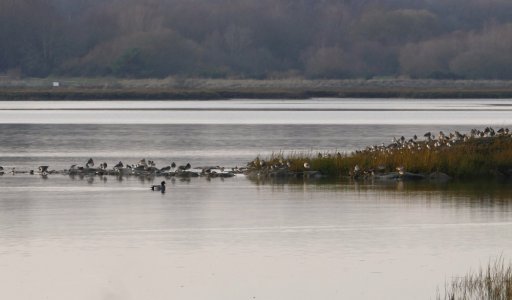
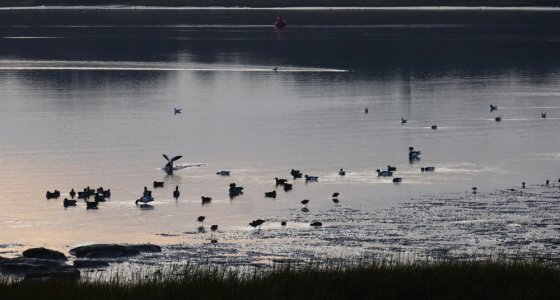
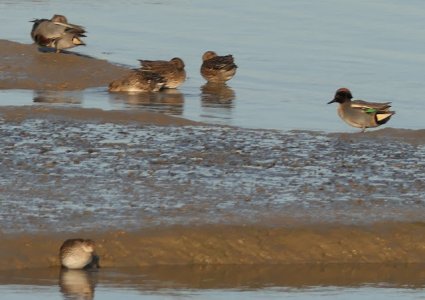
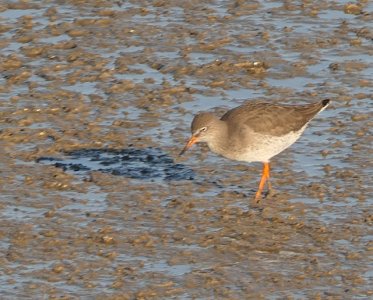
It was lovely down at Alresford creek yesterday. Just after HW but some birds came out to play. Widgeon, Shelduck, Redshank, Black-tailed Godwit, Dunlin and Black-headed Gull in the pictures. We didn't get to see the hundreds of Golden Plovers and Avocets I saw a few days ago.P1100447b.JPGP1100449.JPGP1100454.JPG
 
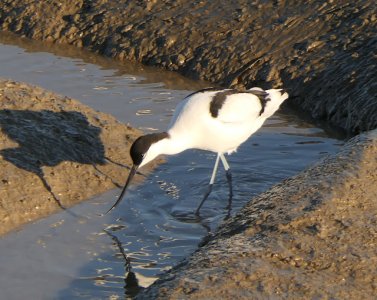
I can remember when Avocets were incredibly rare in the UK; there was even a young adult book whose plot depended on them being rare. But they are now well established; you can see them easily at places like the wetlands at Welney.

They've been breeding here in the land-locked Midlands for some years now although they move to the coast for Winter (as do many waders).
 
I can remember when Avocets were incredibly rare in the UK; there was even a young adult book whose plot depended on them being rare. But they are now well established; you can see them easily at places like the wetlands at Welney.
I understand that they are bullies of other little birds in their nesting colonies.
 
I can remember when Avocets were incredibly rare in the UK; there was even a young adult book whose plot depended on them being rare. But they are now well established; you can see them easily at places like the wetlands at Welney.
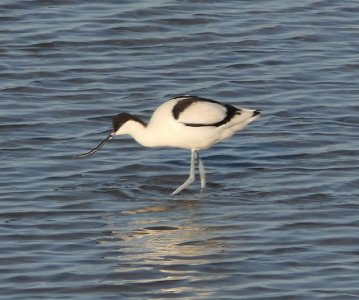
We started cruising in the early '70s and I think sailed past Havergate Island about 1973, where we saw a few avocets for the first time. Now, scenes like this from over Landermere earlier this year are quite common, and I have seen as many as 500 in the colne.P1070533.JPG
 
Top