Gwylan
Well-Known Member
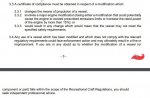
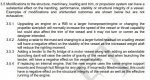
A brief skim of the various documents suggests that there is bit of 'stable door and bolted horses' going on here.
Boats that have lost keels might have been an operator in this response and then a few other odds and ends get chucked in.
Discussing the impact and recording of a grounding or a knock down on the integrity of a boat and what to do with a MOB situation seems to be bundling very disparate matters.
Also there is some confusion between what might be seen a 'pre-regulation directive guidance' and 'good practice'
Yes, it is a good idea to have life jackets on board, make sure they are safe and efficient - not exactly rocket science that you brief the crew where they are, how and when they put them on and operate them. For us it is, if you want to wear a lifejacket, when I tell you you will wear one and on deck at night whatever is happening.
As for giving instruction what to do when someone goes overboard - that is delicate.
So he went over the side, the book said slow the boat - bit of the 'bleedin obvious'
It's what you practice on your YM and other courses - and if you are like me, in your mind everytime you take to sea.
As far as I can see it sort of needs to decide if it is a yachtmaster check list or a set of draft regulations aimed at boosting revenue for marinas and yards.
If that is the case then we need some formal qualification for marine engineers and their ilk.
My experience is that their range of competence, skill and ability is variable and difficult to quantify at first meeting.
Boats that have lost keels might have been an operator in this response and then a few other odds and ends get chucked in.
Discussing the impact and recording of a grounding or a knock down on the integrity of a boat and what to do with a MOB situation seems to be bundling very disparate matters.
Also there is some confusion between what might be seen a 'pre-regulation directive guidance' and 'good practice'
Yes, it is a good idea to have life jackets on board, make sure they are safe and efficient - not exactly rocket science that you brief the crew where they are, how and when they put them on and operate them. For us it is, if you want to wear a lifejacket, when I tell you you will wear one and on deck at night whatever is happening.
As for giving instruction what to do when someone goes overboard - that is delicate.
So he went over the side, the book said slow the boat - bit of the 'bleedin obvious'
It's what you practice on your YM and other courses - and if you are like me, in your mind everytime you take to sea.
As far as I can see it sort of needs to decide if it is a yachtmaster check list or a set of draft regulations aimed at boosting revenue for marinas and yards.
If that is the case then we need some formal qualification for marine engineers and their ilk.
My experience is that their range of competence, skill and ability is variable and difficult to quantify at first meeting.