franksingleton
Well-Known Member
NO! A hurricane is a tropical storm. Beaufort has caused great confusion by his force 12 being described as Hurricane Force.Are you sure? It only needs to blow at 75mph (64 knots) to qualify as a hurricane

NO! A hurricane is a tropical storm. Beaufort has caused great confusion by his force 12 being described as Hurricane Force.Are you sure? It only needs to blow at 75mph (64 knots) to qualify as a hurricane

Although the tight wrap and fastening are necessary, a wrap with the spinnaker halyard can't do any harm and should there be any weak stitching on the sail's leech it might forestall disaster.Having had to rescue a number of other peoples genoas in gales, my thinking is slightly differnt.
1) Furl the entire sail as tightly as possible from the first turn - stop 2 or 3 times when furling, cleat the sheet, and pull furling rope as tight as physically possible, then continue.
2) Ensure three tight turns of the sheets round the sail - then tighten these as much as possible - I sometimes winch gently. (Never leave any clew out, and certainly never leave the sheets dangling loose).
3) Rather than putting on a sail tie or wrapping a halyards round (unnecessary if done 1 tightly enough) take a short piece of strong rope and tie the furling drum so that it cannot loosen if the main furling rope slips or breaks.
The last is important as the reef line failing was the reason for two of the jibs coming free and ripping that I have seen.
Hope none of our boats get damaged in this storm.

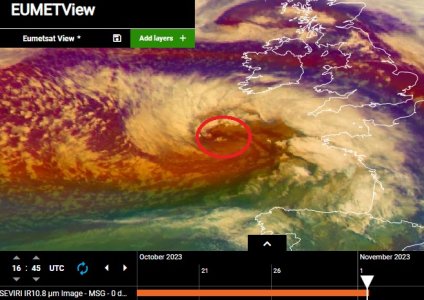
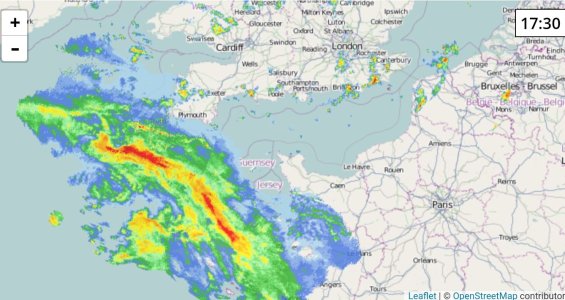


This is the biggest cause of shredded head sails. Its actually much rarer for them to unfurl., make sure it is tightly furled so the wind cannot pluck at a loose fold

The boat should be safe in the pub. Sorry i'll get my coat.Boat checked and now in the Pub.

So does Prawle if you are nearer to the Dart. The wind is just beginning to build here.

Each to their own choices, but IMHO the halyard is bound to move around in a severe storm and more likely to cause damage to the stitchingAlthough the tight wrap and fastening are necessary, a wrap with the spinnaker halyard can't do any harm and should there be any weak stitching on the sail's leech it might forestall disaster.