Bandit
Well-Known Member
It comes back to being able to demonstrate that a boat is well maintained and seaworthy following a failure.
Generally an insurance Co will appoint a surveyor who will inspect the casualty and rely on the surveyors report, it is apparent to them when they see a well maintained or a neglected boat.
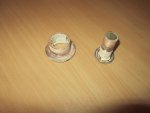
RCD calls for seacocks and skin fittings to be good for at least 5 years and in normal circumstances brass is except where there are stray currents or earth leaks when it can fail and I have seen brass fail at under 2 years.
Seven years seems a good yardstick.
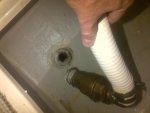
Ball valve do gum up with scale and marine growth, the spindles are often rounded with movement following forcing, they should be visually inspected in place and a removal and inspection regime should be followed its surprising how many boats you see with brass fittings, or unidentifiable fittings, valves jammed, leaks, rusted steel handles, perished hose, kinked hose and corroded jubilee clips. This is the only thing keeping the water out.
Generally an insurance Co will appoint a surveyor who will inspect the casualty and rely on the surveyors report, it is apparent to them when they see a well maintained or a neglected boat.
RCD calls for seacocks and skin fittings to be good for at least 5 years and in normal circumstances brass is except where there are stray currents or earth leaks when it can fail and I have seen brass fail at under 2 years.
Seven years seems a good yardstick.
Ball valve do gum up with scale and marine growth, the spindles are often rounded with movement following forcing, they should be visually inspected in place and a removal and inspection regime should be followed its surprising how many boats you see with brass fittings, or unidentifiable fittings, valves jammed, leaks, rusted steel handles, perished hose, kinked hose and corroded jubilee clips. This is the only thing keeping the water out.