
Greenheart
Well-Known Member
Variation (or precursor) of the same theme, from 1931:


That looks familiar. We had something very similar on ships built in the late 1950s/early 1960s. I can't recall if the boats had oars as well. We certainly never used them if they did.Variation (or precursor) of the same theme, from 1931:

Just out of interest I looked it up on YouTube, and the bloke from wetworks made it look fairly easy, which I found surprising. I thought it would be the Devils own job moving a boat like that.That must be SO inefficient compared with rowing! You can only use the muscles of the arms; rowing uses at least all the upper body, and sliding seats enable the use of the whole body! Even a decent stretch bar will improve efficiency by allowing the use of the legs to brace the upper body.

I've been rowing since I could walk, I can row in sloppy water keeping the oars dipped without having to think about it. I suppose it's a particular skill that's not really transferable.It's also quite hard to row in waves,

I bet it was on flat water! Once you've got a boat moving, it doesn't take a lot of effort to keep it moving on calm water.Just out of interest I looked it up on YouTube, and the bloke from wetworks made it look fairly easy, which I found surprising. I thought it would be the Devils own job moving a boat like that.

I've been rowing since I could walk, I can row in sloppy water keeping the oars dipped without having to think about it. I suppose it's a particular skill that's not really transferable.
We were used to rowing gigs at sea, and some of the river based crews would be looking for races to be cancelled when we wanted
Yes - but how many other folk do you know who can row in waves? Especially nowadays(!) And most randomers, and presumably ship's passengers - probably none?I've been rowing since I could walk, I can row in sloppy water keeping the oars dipped without having to think about it. I suppose it's a particular skill that's not really transferable.
We were used to rowing gigs at sea, and some of the river based crews would be looking for races to be cancelled when we wanted to carry on. Association protocols have taken over so not much rough weather rowing takes place. Never bothered us.
I rowed five miles yesterday on the river, I get along at 3kts+ and don't break a sweat.

Rowing is a paricular skill which is easily acquired, but some folk never get it. If you watch a good gig crew you see no splash from the oars, they drop the blade into the water 'dead', and then pull. Monty Halls in his Irish TV adventures did some rowing, as he did when filming in Cadgwith. Fit, lots of upper body strength, broken pins. He would pull too early, drive the oar down into the water lifting the oar up in the pins and snapping the pin off.
Yes, there was a piece of film of lifeboats from the Sir Galahad rowing for shore, it was only the fact that someone took charge and the men were disciplined that got them going.Yes - but how many other folk do you know who can row in waves? Especially nowadays(!) And most randomers, and presumably ship's passengers - probably none?
I too can row in most conditions - from open sea to an eight on the river Cam! But you're right to say that it's a non-transferable skill. I first learnt to row at about 5 years old!I've been rowing since I could walk, I can row in sloppy water keeping the oars dipped without having to think about it. I suppose it's a particular skill that's not really transferable.
We were used to rowing gigs at sea, and some of the river based crews would be looking for races to be cancelled when we wanted to carry on. Association protocols have taken over so not much rough weather rowing takes place. Never bothered us.
I rowed five miles yesterday on the river, I get along at 3kts+ and don't break a sweat.
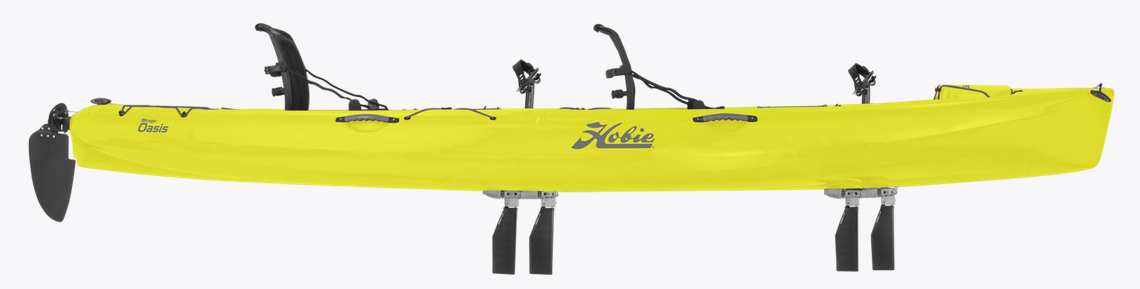
A couple of weeks ago I was out on the Dart with the missus with one of these.That must be SO inefficient compared with rowing! You can only use the muscles of the arms; rowing uses at least all the upper body, and sliding seats enable the use of the whole body! Even a decent stretch bar will improve efficiency by allowing the use of the legs to brace the upper body.
Yes, there was a piece of film of lifeboats from the Sir Galahad rowing for shore, it was only the fact that someone took charge and the men were disciplined that got them going.
I made that mistake, me 74 in my working dredging punt against a bunch of kids in the regatta, and the rules for 'working boats' have relaxed so they were rowing what we used to call skiffs.I went against a bunch of teen-agers - and won! I was in my early 60's then...

Included in the designated crew of my lifeboat in the cruise-ship M/V 'Blenheim' were the ship's hairdresser and a pianist.Having done rowing open lifeboats as part of my survival training(yes folks, the MCA still mandate this in 2023) it's hard enough with a full set of more or less sentient individuals on a boating lake, doing it at sea with a full SOLAS-approved load of 32 in a boat would be near on impossible even in nice weather, if it's lumpy forget it. I'd make a beeline for something with an engine.

Saw those at SIBS a few years ago and wondered what they were like.A couple of weeks ago I was out on the Dart with the missus with one of these.
Hobie
View attachment 165636
All was fine until one of the rubber flippers ripped out of it's securing pin and we had to get back against the tide with just me pedalling. The system works suprisingly well and leaves your hands free for waving, taking photos or having a beer.

I see those, or similar in Christchurch harbour being used for fishing.A couple of weeks ago I was out on the Dart with the missus with one of these.
Hobie
View attachment 165636
All was fine until one of the rubber flippers ripped out of it's securing pin and we had to get back against the tide with just me pedalling. The system works suprisingly well and leaves your hands free for waving, taking photos or having a beer.
Yes indeed. Did you do the firefighting course there as well? I hate to think what the emissions were from that tank!Included in the designated crew of my lifeboat in the cruise-ship M/V 'Blenheim' were the ship's hairdresser and a pianist.
Presumably they had, as do I, a Board of Trade Lifeboatman's Certificate, so must have had a stint rowing round Tyne Dock at some point in their careers.
I did the firefighting course near Southampton.Yes indeed. Did you do the firefighting course there as well? I hate to think what the emissions were from that tank!

