
thinwater
Well-Known Member
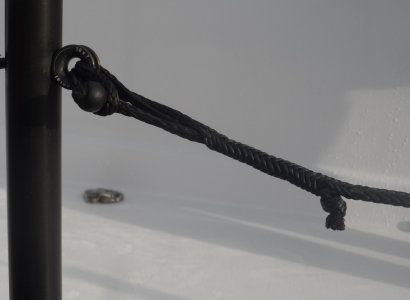
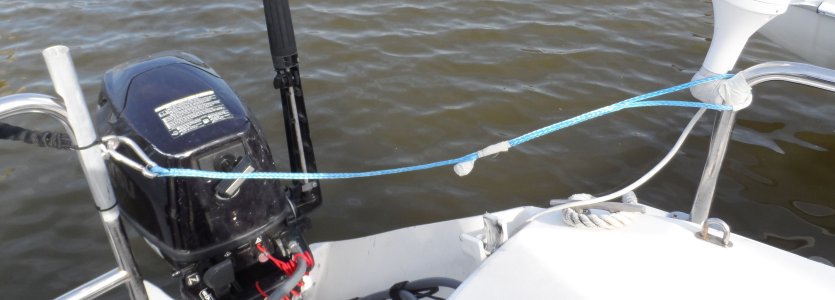
They will have eye splices. The cut ends are tapered and buried.Can I ask, the best way to finish the ends of Dyneema lifelines?
You can have they pre-made, but if you splice them in place you can use larger line.

They will have eye splices. The cut ends are tapered and buried.Can I ask, the best way to finish the ends of Dyneema lifelines?
Thanks for that. I need to slacken mine to let dogs on board but I guess I can eye splice onto pelican clips.They will have eye splices. The cut ends are tapered and buried.
You can have they pre-made, but if you splice them in place you can use larger line.
Why not just remove the plastic coating?My plastic coated Wire Guard Rail Wires are 16 years old. The plastic coating has deteriorated to the point where it’s brown, sticky and broken in places. They really need replacing. Boat is in Greece so diy is the only practical solution.
The easy option would be to replace them with Dyneema. Probably 5mm single braid ( pure dyneema) or 6mm double braid (dyneema core with polyester cover). I’d add split plastic tube where the ‘wires’ go through the stanchions.
Has anyone done this - experience good or bad?

Another easy trick, to create slack, is a whoopee sling splice.

Often you find that under the cover the wire is rusting (one reason not to have covered wire) and you may also find broken wires (which are 'safe' under a cover but a menace if exposed). Both form part of the reasons why they, covered wires, are now outlawed, have been for decades, on racing yachts.Why not just remove the plastic coating?

Good point. I forget the details. I heard it was bungled jibe. Either way ....... The failure of Dyneema on Comanche was as a result of extended sawing of the dyneema by a headsail sheet in a downwind race, mainland to Hawaii I think. ...
Jonathan


For me the important thing is that they are bar tight. When we go on deck I don't want them to have any movement in them. The s/s guardwire is part of a package of super strong toerail and stanchions that ensure we stay on the boat and not end up in the sea. Our first boat had stanchions that were fitted to the grp deck with three stainless steel self tappers. They were totally useless as a safety device. The next boat had stanchions bolted through the deck. They cracked the gelcoat where they were stressed. The current boat has stanchions bolted through the substantial aluminium toerail. The system as a whole is very strong. The s/s wire is as good as new. My dyneema runners are only 3 years old but are already wooly. We routinely fasten a sun cover to the guardwires and halyards. Based on my experience with the runners I think the s/s will outlast dyneema in our case