DownWest
Well-Known Member
A proper wooden boat guy would make his own, esp at £51 and up...!
BTW welcome back!
BTW welcome back!

Trident 24.How heavy / what size is your boat? I’d be concerned about what your insurance co say, in particular the 3rd party damages part if the mast comes down on your crew’s head and it’s deemed you bodged the rigging?
Can’t say I’m a fan of bodges on safety critical elements. On a drascombe it might be ok. On a heavy Bruce Robert’s, probably dodgy
Think they drop masts a lot (deliberately) which might indicate lanyardsMany traditional boats of the broads use lanyards . Right from the days of linen / hemp/ cotton bits of string
View attachment 193930
As this Broads yacht shows.
.
Many now use polyester, I use 2mm dyneema on my little boat, which reminds me, one needs replacement, as it's now fraying a bit.
I'd guess the 5mm is the lanyard diameter. As noted, the (apparently incomplete) lanyard specification table I link to above tops out at 5mmForce 4 seem to be completely out of deadeyes.
There are a few available on the market but they seem to be only 5mm in diameter, probably a labelling error.
Lanyards have got the potential at least to be a lot stronger than the wire they're on the end of. The main thing will probably be to get smooth, well-radiussed turns by using appropriate deadeyes.How heavy / what size is your boat? I’d be concerned about what your insurance co say, in particular the 3rd party damages part if the mast comes down on your crew’s head and it’s deemed you bodged the rigging?
Can’t say I’m a fan of bodges on safety critical elements. On a drascombe it might be ok. On a heavy Bruce Robert’s, probably dodgy
When Should We Retire Dyneema Stays and Running Rigging? - Practical SailorLess than polyester. That is why it’s the choice for standing rigging, for those that don’t do wire.
just a bit.Think they drop masts a lot (deliberately) which might indicate lanyards
When local friend was rigging his new boat, he went to the chandelry for the SS wire and bits so I could swage them up. The bloke there suggested Dyneems as erasier and cheaper, even supplied the needles to splice the eyes. It certainly is easier for his trail sail 20ft. gaffer.
"Soft" shrouds offer many advantages for boats that are regularly derigged for trailering. I think these are an additional cost option on new boats?

I thought of using a bit of PVC tubing for UV protection. Should allow easier inspection, and sheets should slide freely on it.


I said it lasted better than polyester perfectly clearly. That’s what you quoted. Then you base the rest of your post on comparing it to wire. How odd. And BTW most insurers don’t love you much if your wire rigging is over 10 years old.When Should We Retire Dyneema Stays and Running Rigging? - Practical Sailor
Seems to disagree. They say it can suffer worse UV degradation and chafe than polyester, and even its commercial advocates like Colligo dont recommend a shroud life of more than 10 years, the same as the usual rule of thumb for stainless and probably less than galvanized,
Based on that, it only seems appropriate for special applications, (such as lanyards, perhaps) and of course racing

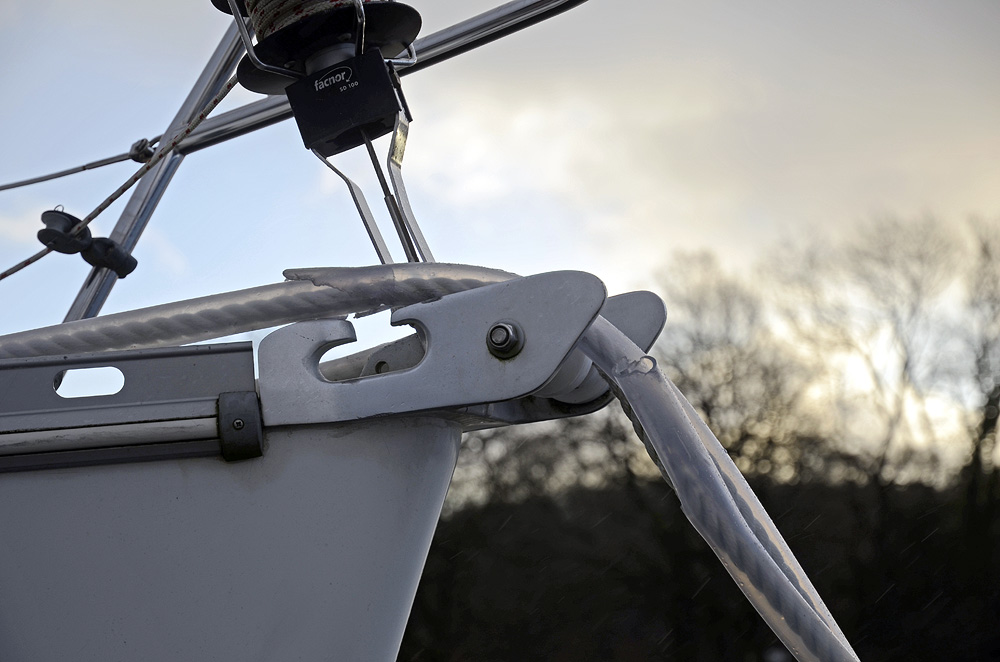
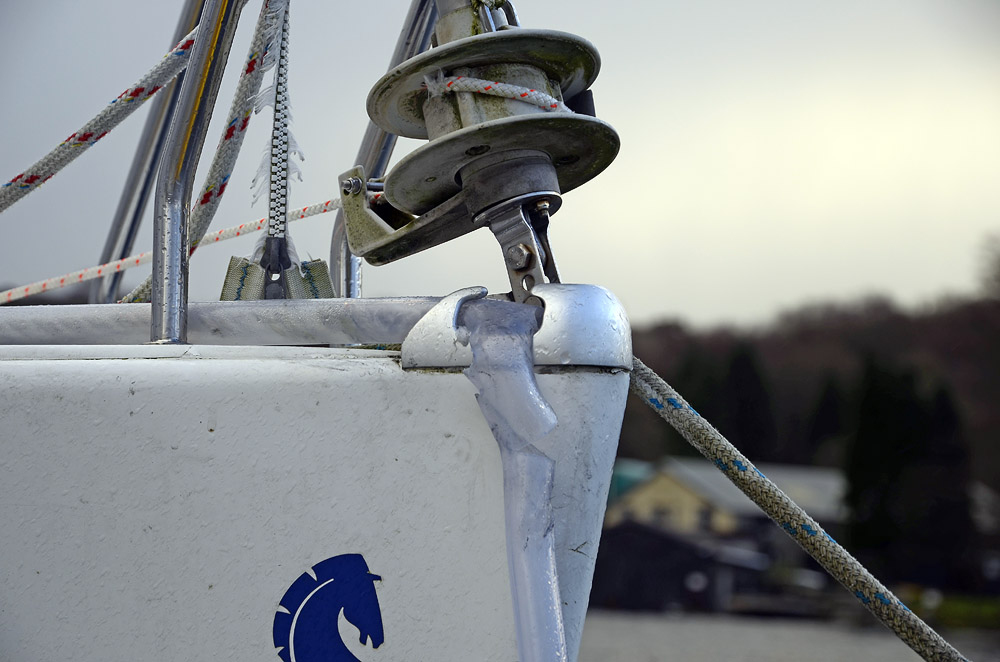
I suspect he is talking of using rigid PVC tube to cover the lanyards, not mooring strops.I found that PVC tube is hardened by UV and cracks over bow rollers or fairleads. The sharp edges cut the mooring strop. I had an issue and several owners on a small mooring site had similar problems, despite being warned.
Hopefully not much flexing there. We have PVC tubes over the moorings at our club. They are replaced every year.I suspect he is talking of using rigid PVC tube to cover the lanyards, not mooring strops.

Lanyards were good enough for HMS Victory, so I think an insurance company would struggle to assert that they were a bodge!How heavy / what size is your boat? I’d be concerned about what your insurance co say, in particular the 3rd party damages part if the mast comes down on your crew’s head and it’s deemed you bodged the rigging?
Can’t say I’m a fan of bodges on safety critical elements. On a drascombe it might be ok. On a heavy Bruce Robert’s, probably dodgy
I use polyester octoplait for my mooring strops. Maybe I'm lucky with my boats and bow rollers/fairleads but I have never had to use tubing nor chafe protection. The strops stay in very good condition year after year. The current set are 10 years old and look like they'll last another 10....We have PVC tubes over the moorings at our club. They are replaced every year.
The club maintain our moorings in their time honoured way. Your way might be better, I may never knowI use polyester octoplait for my mooring strops. Maybe I'm lucky with my boats and bow rollers/fairleads but I have never had to use tubing nor chafe protection. The strops stay in very good condition year after year. The current set are 10 years old and look like they'll last another 10.

This doesnt seem to be a response to the material (Practical Sailor article) quoted, which says it is no better than polyester, also "perfectly clearly". How odd.I said it lasted better than polyester perfectly clearly. That’s what you quoted. Then you base the rest of your post on comparing it to wire. How odd. And BTW most insurers don’t love you much if your wire rigging is over 10 years old.
I'm was thinking of a bit of opaque rigid tubing loose over the shroud, perhaps capped. For inspection one would slide it up the shroud. If installing once the mast was up it might be possible to fit a spirally cut piece of tubing without disconnecting the shroud. One sees this on powerline guys sometimes, where I suppose its to stop passing pedestrian punters puncturing themselvesI found that PVC tube is hardened by UV and cracks over bow rollers or fairleads. The sharp edges cut the mooring strop. I had an issue and several owners on a small mooring site had similar problems, despite being warned.
This refers to mooring lines of course, but the same difficulty arises in that inspection behind the cloudy/opaque PVC tube makes it less likely you would spot an issue.
These shots taken on one tour around the moorings. And this was on a lake. Even when they go walkabout, they can't go far.
The bottom two show that the strop has been cut and fallen out of the tube.

