Plane crash in the solent

In the USA, there have been many cases where a Cirrus pilot has inadvertently strayed into IMC conditions (in cloud with no outside references) and pulled the chute for a safe “landing”. When this spatial disorientation happens, especially at night, a non instrument rated pilot will quite quickly become disorientated and lose control of the aircraft. Without a ballistic parachute, these normal end in fatalities. So, best to pull the chute, and brace for a 4G sudden stop at ground level, and hope to land on something that will not otherwise cause pain. The rumour is this aircraft had fuel “starvation”, ie probably ran out of fuel! However,he was only a mile from the end of the Lee on Solent runway which is his home airport, so just failed to stretch the glide enough to reach the tarmac.Some are asking why not simply ditch, but this can result in an inversion, which makes life a bit more difficult! This one did I gather land right way up, but was pulled upside down by the parachute. Ridiculous to run out of fuel frankly, if that is what happened. Looks like it took off fromExeter.
 
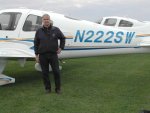
I used to own and fly a Cirrus SR22 G2 N222SW and they are a great aircraft.
I kept mine a Rochester in Kent and could be in the sout of France in 3 hours.
The ballastic chute is a "last resort" option when there is no where to go after mechanical failure.
Many lives have been saved this way.
 
Great pictures thanks.
I purchased this new and went to the factory in Duluth ,Minnesota in the USA to take delivery and do some type training,
I sold this and bought a Robinson R44 helicopter as I got bitten by the "heli bug"
Not flying now and have just purchased a very nice 1991 Fairline Turbo 36 and spent today changing engine filters .
AHHHHHHH the smell of the diesel.
 
Last edited:
I bet they are glad they went for a plane with a parachute for insurance. Might have been a different outcome without!
 
Very much so. This inovation has saved many lives. In many cases the aircraft is written off but at least you walk away from the accident.
I am very happy to be boating now and am "enjoying" the challenge of working on the engines in my Turbo 36.
All fuel filters now changed and just waiting for a suction pump to arrive to change engine oil.
Any tips on changing oil in the gearboxes would be much appreciated.
 
T36, gearbox oil change: big plug at the bottom (35mm?)
Be very cautious when undoing the plug (same size) to check the strainer as the force required to undo can break the flanges holding the cast housing
 
out of idle curiosity, is there any video or simulation of how the thing works? I mean assuming you are doing some speed (dunno but guess over 100kph or 100mph??) and something turns sour, engine dies say.
You are still doing some reasonable speed (what say 70?) and you pull the chute. Thing goes off to the back, cutting speed, balancing the whole plane and slowly bring it down to a 4G hit (that's going to hurt a bit..)
Assuming you land on a field or something flattish, do you actually save the plane or is it a write-off?
sorry many Qs...

V.
 
The chute is deployed upward and rearward's from the aircraft.I think the max.deployment speed is 120 kts.
The parachute is deployed by a rocket and the whole thing is stored in a small compartment behind the rear seats.
There is a roll cage built into the aircraft and the seats are specially designed to absorb the impact.
Its is possible to rebuild after a chute deployment depending on how and what the aircraft lands on.
It is very expensive to do this and the engine will require a complete strip and rebuild at VAST cost
 
Top