No anchoring around Plymouth then...

So, does 'really really rare' = lost?

www.oceana.org: 'The longsnout seahorse is native to the tropical and warm temperate areas of the western Atlantic Ocean and is one of the largest seahorses in the area, reaching sizes of up to 7 inches (18 cm).'

It would be like saying we should install walrus beaching mats on north west coast rocks because Wally was seen there.
 
We need to stop calling things rare just because people don’t often see them. Or yachties need to make a bit more effort to spot and catalogue until these creatures are considered so common as to be vermin.
 
More ammunition for the tree-huggers to use against boaters.
Trees are usually reported to 'Longroom'* and some kind individual is dispatched to move it out of harms way. Which is great for us boaters.

* Port Control.
 
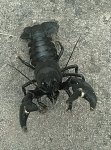
Even though it was very definitely black?
The pictures that came up when I searched show a much redder crayfish for the red signal.
No BCLM jokes please.

It'll be said it's pollution caused by boaters turning it black. ?

Few more and you've got a tasty lunch.
 
So, does 'really really rare' = lost?

www.oceana.org: 'The longsnout seahorse is native to the tropical and warm temperate areas of the western Atlantic Ocean and is one of the largest seahorses in the area, reaching sizes of up to 7 inches (18 cm).'

It would be like saying we should install walrus beaching mats on north west coast rocks because Wally was seen there.
How about "invasive" to coin another term, emotive in the opposite sense? Imagine if this invasive tropical animal challenged the native species?
 
Top