Failed survey

Apparently, yes. I don’t how that’s done without cutting the boat.

A big lump of the coaming around the cockpit and the deck is actually bolted on so it can be removed I think. A bit of a pain and would need to be in a yard with a crane I guess but doable.
 
Well my transom shields have a label that says DP-G so I am assuming that is what we have but maybe not????
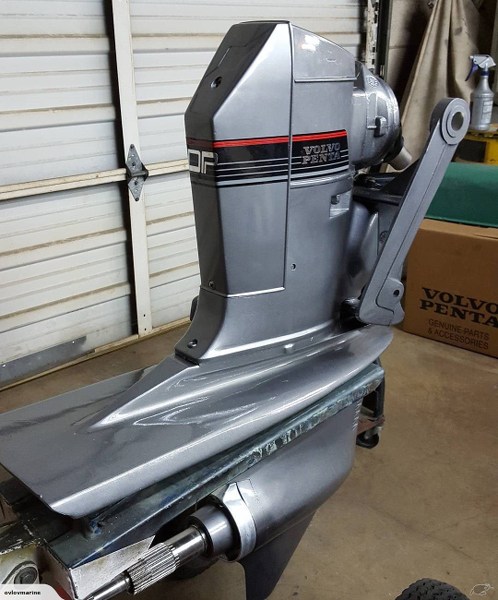
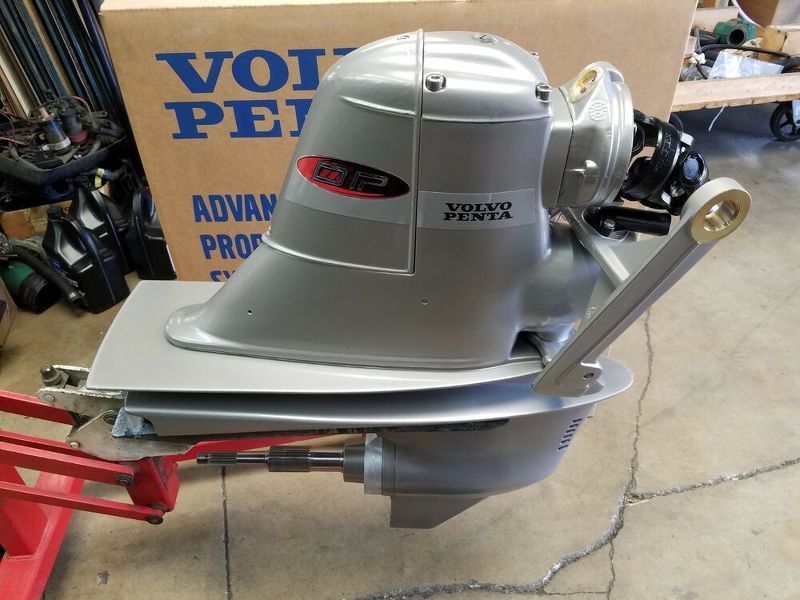
My S28 was the same.
Later model transom shields for KAD32's were actually identical to DP-G shields, same part, which causes confusion.

Drives are DP-E and look like this:
gtrLGP.jpg


DP-G has a curvy, single-piece upper unit and looks like this.
It was only fitted to KAD300 engines as standard.
oUx9FI.jpg
 
Last edited:
if they are DP-E, to change the trim cylinders you need access to the rear of the engines, if no space the engines need to come out.
unless you can find some one to take the cylinder caps off and change the hydraulic shafts / seals.

Trim cylinders are fairly straightforward to replace on an S28/S34 IF the pins move when they should.
 
Russ , I vaguely remember thar you have had previous hassle with outdrives? So forgive me for looking back at your previous posts .
Perhaps not helpful at this stage and accidentally inflammatory, but have you ever thought of something like this ?

https://www.yachtworld.co.uk/boats/1999/pershing-37-3508383/?refSource=browse listing

Expectation being the truck ride home being a one off then that’s it ,

There’s some merit in the suggestion that maybe 20 y ago the Internet was not used as much as now , take E bay , navigation, net flix etc MPs tweeting / whinging etc and ministers for that matter .
So what iam saying is the counter argument of “ resale “ in the U.K. theses days will be blown away when the next generation of buyers google outdrive woes .Indeed like HenryF you can do your own add via the Internet and resell it based on mininal ongoing maintenance cost / hassle .
I,ve had an outdrive boat newish was 2 y old , but crucially i offloaded it before its was 10 , for a then 12 y shaft drive and in the past 4 going on 5 seasons spent Zero on repairs or had any breakdowns outside routine service/ consumables.
It’s been a bit boring really mech wise .
 
Apparently, yes. I don’t how that’s done without cutting the boat.

I would think that you could change the sumps by disconnecting the engines and lifting them up, without actually removing them from the boat. That should make it much less of a job.
 
On the question of the sumps, to be rusty they are obviously steel.

I have spent my working life with old vehicles and have NEVER known a pressed steel sump rust into holes as long as it had oil inside it, and had not had water ingress through the oil filler. If that happens, the oil is displaced by the heavier water and corrosion can take place from both sides.

Are the sumps rusty or seriously corroded-there is a big difference between surface rust which is cosmetic and corrosion serious enought to affect the parts integrity.
 
Main faults are;
Rusty sumps
Corroded lift rams
Leaking turbo
Leaking / corroded steering arms
Play in outdrive joints.

There were other minor points

This is an engine out job.
Rams are going to be £400 a pair, Pins are £32 a pair.
Steering arm is about £900,
Turbo sealing ring £23 (or replacement turbo about £750),
Steering yoke about £1000,
Sump and gasket about £850

Crainage and labour costs are going to be about 5 days minimum because if it's all rusty it isn't going to come out easy. Ask me I know. Got the t-shirt
 
Is contract binding if I go ahead and sign it now?
One could write a whole legal textbook on that and I'm not going to, but in this context the answer is, sort of, yes. At least, it amounts to an agreement as to how the deposit should be dealt with going forward, which is actually what matters to you if you find yourself wanting the deposit back.
I'm not saying sign the contract, because I haven't read it. But if the contract is at least reasonably good to you in terms of how the deposit is to be handled and in specifying that the broker accepts that he holds it as stakeholder not seller's agent, then sign it, imho. Without a contract saying otherwise, the broker holds the deposit as seller's agent and generally that isn't good for you - puts you on back foot as regards return of deposit.
If you want views on the contract, paste it here.
 
On the question of the sumps, to be rusty they are obviously steel.

I have spent my working life with old vehicles and have NEVER known a pressed steel sump rust into holes as long as it had oil inside it, and had not had water ingress through the oil filler. If that happens, the oil is displaced by the heavier water and corrosion can take place from both sides.

Are the sumps rusty or seriously corroded-there is a big difference between surface rust which is cosmetic and corrosion serious enought to affect the parts integrity.

You don’t get salt water lapping up at the sump on a vehicle, that’s why they rot away in a boat.
 
you would rather hope you don't get sale water lapping at the sump on your boat!
I had a kad32 in a centr console which had a very wet saltwater bilge due to low self draining ports around the engine hatch drain channel. They worked in reverse when going stern after 20 yrs no rust. I put this down to the fact the engine blew out so much oil vapour that there was always a film of oil in bilge. True story.
 
On the question of the sumps, to be rusty they are obviously steel.

I have spent my working life with old vehicles and have NEVER known a pressed steel sump rust into holes as long as it had oil inside it...

You've never had a Ford.
 
Top
