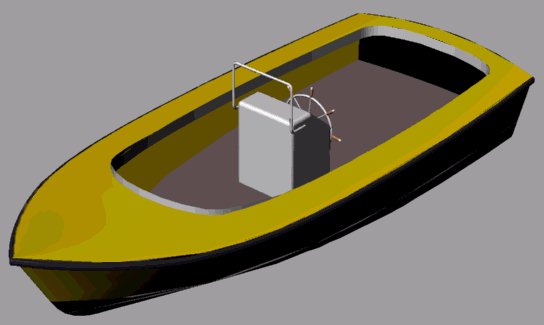
Whoops might have just explained it earlier!
Dory is a generic term for a small boat/ tender in simple terms.
"Cathedral hull" describes the shape of the bit that sits in the water.
IE. The hull, (the bit that sits in the water) has a shape middle bit that has a "V" shape and the smaller v shape either side!.
Other members brighter than Me will stick a picture on here to explain properly in a minute. I,m no good at that stuff but can do if pushed! Hang about all will be revealed!
A true dory is a flat bottomed single chine rowing boat that originated with the Grand Banks schooners.
The Dell Quay Dory is a brand name, and a type of cathedral hull (often called a tri-cathedral, because of the three vees in the shape of the bow).
Advantages - very stable, can get up on the plane easily without much power (unlike a more conventional deep vee type hull), lots of room up forward because it does not have a pointy bow.
Disadvantage - Only one really that I can think of - they seem to be really only suited for calm water, as they will pound terribly in any sort of sea at speed - even just going across another boats wake.
The smaller Boston Whalers have a cathedral type hull - and to confuse things even more, in the USA a Whaler is (I think) a generic term for a boat that is more like a dory (eg the famous Tancook Whalers - here is one designed by Selway Fisher at http://www.selway-fisher.com/Yachts2435.htm)
Thanks for these photos! They do a much better job than my description above re explaining what the differences are.
re my note above about cathedral hulls pounding, sorry, in retrospect this was aimed mainly at the smaller Boston Whaler and Del Quay Dory types, that have relatively flat bottoms - the bigger ones do have a lot more vee in the bow, hence should be better able to cope with a rougher sea.