
You are using an out of date browser. It may not display this or other websites correctly.
You should upgrade or use an alternative browser.
You should upgrade or use an alternative browser.
Diesel tank sludge
- Thread starter Falcoron
- Start date

Fishtigua
Well-Known Member
Falcoron
Well-Known Member
yeah seen these before, but not sure i would trust then on the side wall of a diesel tank.
I need 4, so an expensive option.
Think ill go the stainless plate laser cut and cork/nitrile gasket with csk rivnuts.
Didn't start it at weekend lost my gahoonies
Doing a little research and see what else i can come up with cleaning wise without cutting into the tanks.
Cheers for the suggestion.
I need 4, so an expensive option.
Think ill go the stainless plate laser cut and cork/nitrile gasket with csk rivnuts.
Didn't start it at weekend lost my gahoonies
Doing a little research and see what else i can come up with cleaning wise without cutting into the tanks.
Cheers for the suggestion.
bowler
Well-Known Member
Just out of interest. Where abouts in NI are you?
Falcoron
Well-Known Member
boat is in Fermanagh
kashurst
Well-Known Member
I wouldn't use rivnuts - if one starts slipping whilst trying to tighten everything up you are buggered. I would make a ring with a slot cut in it with properly threaded holes or nuts welded on to go inside the tank. The slot cut through should allow you to thread the ring into the inside of the tank. Tie a piece of string to it whilst doing that in case you drop it. Have an extra threaded hole so you can secure it with a small counter sunk bolt in position, then it should be easy to put the external gasket and cover on.csk rivnuts.
bowler
Well-Known Member
boat is in Fermanagh
Lovely Lough Erne? Crazy to think with all the boats and farm machinery round these parts that no one offers tank cleaning services.
Good luck with the job. May do something similar myself some day.
D
Assassin
Well-Known Member
You can get the steam rings which are circular or oval access hatches for steam boilers and they have an inner and outer flange which come in different configurations so the iner and outer can be welded, bolted, or bolted through to attach them to the tank.
Put the outer one on the outside of the tank and drill through all the holes, put the inner one in the tank and line a bolt hole up and fit a bolt loosely and then anotherand tighten them and nip them up and install all the other bolts, core drill a large hole in the tank snd iuse a jigsaw with steel cutting blade or reciprocating saw with a steel cutting blade and cut the tank to the flanges, grind or file and loosen all the bolts off, I install two long pieces of studding to allow the inner flange inwards and the outer flange outwards without them falling, coat both sealing surfaces with appropriate sealer and refit the bolts and let the sealer cure and tou have a tank with stiffened inner and outers and you fit the sealing flange to your new frame with either a gasket or sealing ring, depending on type.
Put the outer one on the outside of the tank and drill through all the holes, put the inner one in the tank and line a bolt hole up and fit a bolt loosely and then anotherand tighten them and nip them up and install all the other bolts, core drill a large hole in the tank snd iuse a jigsaw with steel cutting blade or reciprocating saw with a steel cutting blade and cut the tank to the flanges, grind or file and loosen all the bolts off, I install two long pieces of studding to allow the inner flange inwards and the outer flange outwards without them falling, coat both sealing surfaces with appropriate sealer and refit the bolts and let the sealer cure and tou have a tank with stiffened inner and outers and you fit the sealing flange to your new frame with either a gasket or sealing ring, depending on type.
Falcoron
Well-Known Member
I'm getting stainless inner flanges and outer plates CNC laser cut with holes and have a gasket company making BUNA-N fuel resistant gaskets to the laser CNC drawing, so all will line up perfectly and allow perfect drilling of tank wall.
8mm stainless bolts, washers and nuts to clamp up the flange, gasket, tank, gasket, plate sandwich tight, and fuel tight.
By the way, non of the gasket manufacturer's like the use of any additional sealant or mastics etc. for diesel tank seals.
8mm stainless bolts, washers and nuts to clamp up the flange, gasket, tank, gasket, plate sandwich tight, and fuel tight.
By the way, non of the gasket manufacturer's like the use of any additional sealant or mastics etc. for diesel tank seals.
Last edited:

Nito
Well-Known Member
Or...fit a diesel dipper...
Diesel Bug and the Diesel Dipper
Ignore the references to diesel bug, I believe it is actually asphaltenes that were in our tank and likely yours also...
Does the job amazingly. We had the same issue, no access to the tanks, It will also future proof your fuel supply.
Diesel Bug and the Diesel Dipper
Ignore the references to diesel bug, I believe it is actually asphaltenes that were in our tank and likely yours also...
Does the job amazingly. We had the same issue, no access to the tanks, It will also future proof your fuel supply.
Falcoron
Well-Known Member
Or...fit a diesel dipper...
Diesel Bug and the Diesel Dipper
Ignore the references to diesel bug, I believe it is actually asphaltenes that were in our tank and likely yours also...
Does the job amazingly. We had the same issue, no access to the tanks, It will also future proof your fuel supply.
Thanks for the reply,
Yeah, I think that is what is in there too.
looked at one of these DIPPER jobbies, and did a lot of reading on them. Good bit of kit, but bit expensive. Can't see how it would get all the crud out from every nook and cranny. Especially on calm inlad waterways, i think a good sea swell would dislodge a lot for the dipper to collect.
Over a grand spend and i would still be unsure it was doing the whole tank. That would melt my head LOL!
I've taken the bull by the horns and got plates lasered by a mate who does CNC laser work ( in his workplace) so a wee "Cheers chum I owe you"
I will also be ordering the proper Buna -N nitrile rubber gaskets from a specialist company who will CNC these to match the plates. I have told them exactly the environment and fuel and they specified the material and are going to make to the cad drawing.
I will cut 2 new hatches in each tank and manually get all the crud out, steam clean and dry them then refit inspection hatches.
Then I will be setting up a polishing rig on each tank with FACORS and a wee pump wired to the dash.
I can then run these at any time, and after every fill or top up of fuel so have it cleaned of any water or undesirable additions through genuine RACOR 10 micron filters.
I can do all this for less than £400 and have peace of mind that the tanks are clean and the any fuel coming on board will be well polished before hitting the main filters and engine.
2 x Facors 500 filter assy. £70
10 x genuine Racor filter cartridges £80
2 x 12v fuel transfer pumps £80
ISO 7840 Fuel hose £20
Fittings £20
Nitrile gaskets x 8 £100
Scarron
Well-Known Member
I think you are taking the right approach, the only way to be sure both now and in the future to to be able to physically clean the tanks by way of some decent inspection hatches. Preferably in the top, but through the side is perfectly acceptable if engineered properly as you are.
If your polishing pump and facor pick up from the very bottom then it will hoover up any water, dead bug and asphaletenes that drop to the bottom. In fact if you have a valve in the circuit to discharge into a bucket you can pump all that crap out till you get clear diesel the flip the facor back into circuit.
I think it will work well, which is why I am planning to do exactly the same as you, I am lucky in that I have enough access to the top of my tanks to put my hatch/lids in there. My tanks are 600 litres a side of GRP and structural to the side s of the boat. It's 30 years old and never been cleaned/accessed so I am expecting a complete horror show.
If your polishing pump and facor pick up from the very bottom then it will hoover up any water, dead bug and asphaletenes that drop to the bottom. In fact if you have a valve in the circuit to discharge into a bucket you can pump all that crap out till you get clear diesel the flip the facor back into circuit.
I think it will work well, which is why I am planning to do exactly the same as you, I am lucky in that I have enough access to the top of my tanks to put my hatch/lids in there. My tanks are 600 litres a side of GRP and structural to the side s of the boat. It's 30 years old and never been cleaned/accessed so I am expecting a complete horror show.
Falcoron
Well-Known Member
Yes agree,I wouldn't use rivnuts - if one starts slipping whilst trying to tighten everything up you are buggered. I would make a ring with a slot cut in it with properly threaded holes or nuts welded on to go inside the tank. The slot cut through should allow you to thread the ring into the inside of the tank. Tie a piece of string to it whilst doing that in case you drop it. Have an extra threaded hole so you can secure it with a small counter sunk bolt in position, then it should be easy to put the external gasket and cover on.
through some research rivnuts not the plan now. I am getting outer plate and inner flange type stainless plates made CAD designed and laser cut with nitrile gaskets being CNC cut to suit.
I will be getting the stainless bolts tig welded to the inside flange and then stainless washer's and bolts to torque up.
No chance of anything failing. I hope!!
Falcoron
Well-Known Member
I think you are taking the right approach, the only way to be sure both now and in the future to to be able to physically clean the tanks by way of some decent inspection hatches. Preferably in the top, but through the side is perfectly acceptable if engineered properly as you are.
If your polishing pump and facor pick up from the very bottom then it will hoover up any water, dead bug and asphaletenes that drop to the bottom. In fact if you have a valve in the circuit to discharge into a bucket you can pump all that crap out till you get clear diesel the flip the facor back into circuit.
I think it will work well, which is why I am planning to do exactly the same as you, I am lucky in that I have enough access to the top of my tanks to put my hatch/lids in there. My tanks are 600 litres a side of GRP and structural to the side s of the boat. It's 30 years old and never been cleaned/accessed so I am expecting a complete horror show.
Lucky you have the hatches on top i would feel better with mine there, but it is what it is and i will be getting properly designed plates and gaskets made by experts, so i will, at least, be able to hoover out the worst of the crud steam clean and dry and be happy i have the tanks clean inside.
The polishing rig is real peace of mind and along with regular dose of bug treatment i can see no reason i would have any issues in future.
fill points have been tested and are water tight i've just to smear a little silicone grease to keep the opening and closing easy and not damage the sealing ring.
Ill pop pictures on here for ref if anyone wants to see the process / progress and any issues i have.
Newbroom
Well-Known Member
Interesting post I have just delivered a boat from the Thames to the Solent . The boats owner was meticulous in looking after his diesel and always used additives.
Once we arrived in the estuary and could increase speed we started having fuel feed problems.
Changed the Racors and the fine filters and problem seemed cured for a few miles..
Before reaching Ramsgate they had blocked twice moor.
Being Volvo D6 s I couldn't be sure what the problem was as the filters looked clean so began to think along the line of fuel pressure senders.
We spent to days in Ramsgate with a Volvo engineer who was extremely methodical ignored everything we had done and worked through the whole system from tanks fuel lines filters etc.
After a 1 hour test run at WOT all seemed good.
We left Ramsgate for the Solent and for two hours was fine then after clearing Dungerness we had a bit of chop and the trouble re occurred.
I thought then it has to be fuel. To cut a long story short we limped into the Solent at 5knots after changing the fuel filters 7 times on route and exhausting the owners stock of Racors
The filters had no evidence of being blocked or sludge in the bowls. and the deise
We decided to get the fuel cleaned and we used the people I know very well to come and do a diesel clean
When he looked in the tanks and started the pump through he said the tanks looked clear and was surprised that we had had the troubles
.I got him to look at the Racors and see what he thought of them. They looked fine till he cut one in half and the inside was sticky like a post it note
Normal diesel cleaning didnt touch it at all and in the end the only answer was to dispose of the fuel which to the naked eye looked clear and clean. Then clean the tank and refill with new and change all the filters.
No more troubles after this but intrigued by what would cause this I started googling sticky diesel and it is a reasonably new phenonium affecting agricultural vehicles and canal boats using bio fuels and being left to stand .
Worth a google to see more
Dave
Once we arrived in the estuary and could increase speed we started having fuel feed problems.
Changed the Racors and the fine filters and problem seemed cured for a few miles..
Before reaching Ramsgate they had blocked twice moor.
Being Volvo D6 s I couldn't be sure what the problem was as the filters looked clean so began to think along the line of fuel pressure senders.
We spent to days in Ramsgate with a Volvo engineer who was extremely methodical ignored everything we had done and worked through the whole system from tanks fuel lines filters etc.
After a 1 hour test run at WOT all seemed good.
We left Ramsgate for the Solent and for two hours was fine then after clearing Dungerness we had a bit of chop and the trouble re occurred.
I thought then it has to be fuel. To cut a long story short we limped into the Solent at 5knots after changing the fuel filters 7 times on route and exhausting the owners stock of Racors
The filters had no evidence of being blocked or sludge in the bowls. and the deise
We decided to get the fuel cleaned and we used the people I know very well to come and do a diesel clean
When he looked in the tanks and started the pump through he said the tanks looked clear and was surprised that we had had the troubles
.I got him to look at the Racors and see what he thought of them. They looked fine till he cut one in half and the inside was sticky like a post it note
Normal diesel cleaning didnt touch it at all and in the end the only answer was to dispose of the fuel which to the naked eye looked clear and clean. Then clean the tank and refill with new and change all the filters.
No more troubles after this but intrigued by what would cause this I started googling sticky diesel and it is a reasonably new phenonium affecting agricultural vehicles and canal boats using bio fuels and being left to stand .
Worth a google to see more
Dave
Newbroom
Well-Known Member
When an external lab tested the sticky residue it revealed the problem was caused by sterol glucoside and monoglyceride particles. These substances can drop out of bio diesel components and the problem’s made worse at low temperatures. They can also easily accumulate as they don’t melt back into the fuel as the temperature rises.
"Sticky Diesel" stops several canal boats - General ...
www.canalworld.net/forums/index.php?/topic/109029-sticky-diesel-stops-several-ca
"Sticky Diesel" stops several canal boats - General ...
www.canalworld.net/forums/index.php?/topic/109029-sticky-diesel-stops-several-ca
Falcoron
Well-Known Member
Yeah,
A lot of posts surfacing all over on Bio diesel. And i fear the situation is going to get worse with new diesel and the removal of even more chemical to get greener.
This is from a marine engineer well regarded in Fermanagh
(10) Carrybridge Boat Company - Posts | Facebook
A lot of posts surfacing all over on Bio diesel. And i fear the situation is going to get worse with new diesel and the removal of even more chemical to get greener.
This is from a marine engineer well regarded in Fermanagh
(10) Carrybridge Boat Company - Posts | Facebook
Falcoron
Well-Known Member
now that was a long but interesting read. Wonder where the NVO diesel debate is now in 2022?When an external lab tested the sticky residue it revealed the problem was caused by sterol glucoside and monoglyceride particles. These substances can drop out of bio diesel components and the problem’s made worse at low temperatures. They can also easily accumulate as they don’t melt back into the fuel as the temperature rises.
"Sticky Diesel" stops several canal boats - General ...
www.canalworld.net/forums/index.php?/topic/109029-sticky-diesel-stops-several-ca
Falcoron
Well-Known Member
I'm sure there is but with all things boat its likely to be a fortune.Lovely Lough Erne? Crazy to think with all the boats and farm machinery round these parts that no one offers tank cleaning services.
Good luck with the job. May do something similar myself some day.
D
I like doing my own work (where i can) and cleaning isn't exactly a skilled job so getting dirty and saving cash is where i'm at, at present lol
Falcoron
Well-Known Member
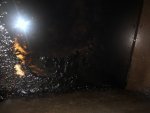
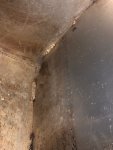
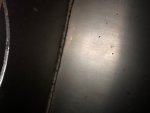
Update on the tank access ports and cleaning.
I finally got the 6" holes cut in the tanks so I can now access the 3 compartments in the 2 tanks for cleaning.
I started with a suck out with a wet/dry vacuum, to get the most of that crappy sludge out, then added a litre of gunk degreaser to each tank.
Gave a good scrub with a small dust pan brush and a dish washing brush to get into corners etc. then gave a good power wash.
sucked out the water and then sprayed in a strong mix of 50/50 water and bilge cleaning soap.
In again with scrubbing brushes, suck out. then power washed 3 times until water was coming out clear.
All I need now is the laser cut plates and gaskets and refill with fuel, and start a long polishing to make sure any water or contaminants are all removed from the now filtered, treated and stored fuel. ( this fuel was from 2 smaller tanks which I have now removed, not from these sludge ridden larger tanks which I'm now going to use.)
Hopefully I wont get any issues once I get all the new Racor filters and engine filters replace too.
Luckily no adverse affect on the aluminium as far as I can see.
Hope this helps any one thinking of doing the same.
Some photos of the progress.
I finally got the 6" holes cut in the tanks so I can now access the 3 compartments in the 2 tanks for cleaning.
I started with a suck out with a wet/dry vacuum, to get the most of that crappy sludge out, then added a litre of gunk degreaser to each tank.
Gave a good scrub with a small dust pan brush and a dish washing brush to get into corners etc. then gave a good power wash.
sucked out the water and then sprayed in a strong mix of 50/50 water and bilge cleaning soap.
In again with scrubbing brushes, suck out. then power washed 3 times until water was coming out clear.
All I need now is the laser cut plates and gaskets and refill with fuel, and start a long polishing to make sure any water or contaminants are all removed from the now filtered, treated and stored fuel. ( this fuel was from 2 smaller tanks which I have now removed, not from these sludge ridden larger tanks which I'm now going to use.)
Hopefully I wont get any issues once I get all the new Racor filters and engine filters replace too.
Luckily no adverse affect on the aluminium as far as I can see.
Hope this helps any one thinking of doing the same.
Some photos of the progress.
Attachments


Other threads that may be of interest
- Replies
- 4
- Views
- 384

- Replies
- 4
- Views
- 179
- Replies
- 0
- Views
- 88

- Replies
- 6
- Views
- 209
