penfold
Well-Known Member
The descaler is acidic and will dissolve the anode quite quickly.


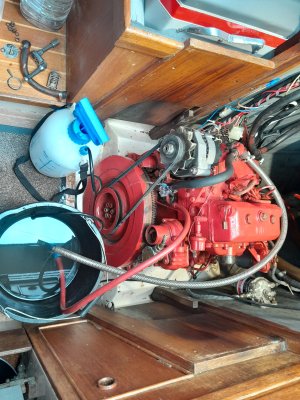
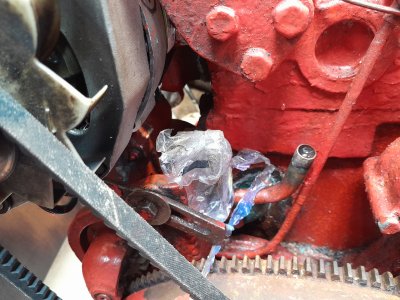
Don't forget to block the bypass pipe otherwise it won't push through the block. I see on pictures and info it's not always mentioned.Just about to circulate descaler through my DV24 (Wessex Proflush). Wondering if it is really necessary to remove the anode? Last time I checked the anode was a bit scaled too. Is it likely to magically melt in the descaler do you think?
Thanks
Also, it's best if you can fit an extra thermostat block gasket, so you have 2 fitted. This helps to keep the seal because of the removal of the thermostat.Don't forget to block the bypass pipe otherwise, it won't push through the block. I see on pictures and info it's not always mentioned.
Thanks. Guess I knew as much reallyThe descaler is acidic and will dissolve the anode quite quickly.

The descaler is acidic and will dissolve the anode quite quickly.
Also, it's best if you can fit an extra thermostat block gasket, so you have 2 fitted. This helps to keep the seal because of the removal of the thermostat.

Proflush is mainly phosphoric acid plus some citric acid and sulfamic acid.. Phosphoric acid will dissolve zinc.Just about to circulate descaler through my DV24 (Wessex Proflush). Wondering if it is really necessary to remove the anode? Last time I checked the anode was a bit scaled too. Is it likely to magically melt in the descaler do you think?
Thanks
I think the o ring on the thermostat seals but when you remove it it's no longer sealed.I'm struggling to understand the logic of the extra gasket - what is it sealing? Can you explain in more detail/?
(I don't understand how the thermostat and by-pass circuit works in detail, I understand only the general principle of bypassing the engine until it's hot.)