Where am I going wrong here?

Hello Clive
This post of yours makes me question the whole need thing for cooking for you. Unfortunately you will not know how you are going to use your lovely new boat until you do it for a period. I am guessing perhaps not so much camping on the boat in a marina with mains power perhaps unlike our UK friends. You might spend some time at Rottnest where dining is available on shore. But I suspect you have ideas of traveling north where you will be mostly isolated from facilities.
I admire and agree with a decision to avoid a gas installation. The option of electric cooking, excellent for shore power is going to be of limited value on boat power. Many serious mobo owners go for diesel generator like Onan. Expensive but good. This makes the whole ship electric, so microwave oven, electric kettle hot plates and oven.
I have friends who have sailed to Bali and all report on the fierce cabin heat problem in tropics. I suspect you will also want cabin air conditioning. All pointing to a need for generator that is quiet and runs on diesel.
However going to the other extreme of cost you might be able to find a methylated spirit cooker for use away from mains electricity. Scarce now days but safe but not power full. Or perhaps go for a diesel oven hot plate type cooker. The latter being bad for cabin heat. Good if you go south of course.
There is one boat at our club which was set up for electric cooking 12v with so he claimed 1000w of solar to batteries. I doubt it is very successful in real life however the boat has not left the river and is hardly used and not I think with any cooking done.
So you will have discerned that the referred to iverter is not likely a goer. You might look at "Outback" inverter brand. Made locally. ol'will

William Thanks for your advice.

Induction hobs are "a big thing" in the US currently but I realize their boating environment, facilities and climate are totally different to Australia's. I would prefer not to use LPG but I have installed a powereful bilge blower (and gas alarm) if the necessity arises to use gas.

Right now selecting an inverter is not a priority as I hope to have the yacht at the Two Rocks Marina within a couple of weeks (waiting on transport)

But here is an inverter brand which is listed in "8 Best Inverters for 2023" and it only costs $368 on eBay.;) That price is within my budget! BUT I've got a lot more checking to do.

LYGUAN inverter
 
Last edited:
William Thanks for your advice.

Induction hobs are "a big thing" in the US currently but I realize their boating environment, facilities and climate are totally different to Australia's.

Right now selecting an inverter is not a priority as I hope to have the yacht at the Two Rocks Marina within a couple of weeks (waiting on transport)

But here is an inverter brand which is listed in "8 Best Inverters for 2023" and it only costs $368 on eBay.;) That price is within my budget! BUT I've got a lot more checking to do.

LYGUAN inverter
That is the brand I use on Concerto for the last 4 years. The model I have is rated at 1000W continuous and 2000W peak with a perfect sine wave (all claimed). Never used any where near 1000W yet, but it does seem to work quite well.
 
That is the brand I use on Concerto for the last 4 years. The model I have is rated at 1000W continuous and 2000W peak with a perfect sine wave (all claimed). Never used any where near 1000W yet, but it does seem to work quite well.
I wonder what the "forum experts":D would have to say about that? (AND I suppose you bought it on eBay too?)🤯
 
I wonder what the "forum experts":D would have to say about that? (AND I suppose you bought it on eBay too?)🤯

Why do you bother to post here ?

You don't actually want any advice or feedback, you just want someone to tell you you have found the holy grail.

When someone tells you that all you have found is another lame scam, you abuse them.

Please, stop it.
 
Why do you bother to post here ?

You don't actually want any advice or feedback, you just want someone to tell you you have found the holy grail.

When someone tells you that all you have found is another lame scam, you abuse them.

Please, stop it.

I post here because there are experts (with a track record) who are willing to share their knowledge. Building the yacht would have been a lot harder without their help.(y)

In contrast there are the knocker(s) who (for example) delight in reminding me the yacht has been sitting on my back lawn for the last 20 years. :cry: Imagine how dreadful I feel when they do that?😭

Sorry if I have offended you Paul.:oops: (Now just settle down and have a good day) (y)
 
Last edited:
Watts and Ah are not the same thing. The former is a rate of energy flow in Joules per second, the latter an amount of charge where 1 Ah is 3600 Coulombs.

Perhaps what you meant to say is '2000 W from an inverter requires about 200 A input at 12 V'.

Yes, I know. I was unclear. I meant 200 A for an hour to cook dinner = 200 Ah. What I was getting at was the impact on the batteries. But I left a step out.
 
Yes, I know. I was unclear. I meant 200 A for an hour to cook dinner = 200 Ah. What I was getting at was the impact on the batteries. But I left a step out.

Hi Thinwater
I haven't read your post so I don't know what context it is in but presumably is was in relation to power usage.
I was particularly interested in a thread on Cruiser Forum where Induction Cooktope were covered very fully (273 comments!):rolleyes:

Wow -Induction Cooktop

Here is a comment made regarding power usage you may be interested in.

**************************************************************************************************************************
Re: Wow - Induction Cooktop

We’ve been using induction cook tops for six years, the reaction from those newly introduced seems universal....WOW!
We use nearly all solar for power generation via a 2500w inverter. Here’s some figures from last night generated for another thread:

Cook three fried eggs medium setting for five minutes: 2Ah

One fried steak on high for 5 minutes: 4Ah (would have been the same for two steaks)

Off subject: Nespresso machine used for 1 cup of coffee: .4Ah
***************************************************************************************************************************
 
Lots of comments that it is near impossible to use boat based induction cooking without a massive battery bank and huge inverter set up or a generator.
I beg to differ and have now proved otherwise.
I have integrated an EcoFlow Delta Max 2000 portable lithium power bank into my trailerable cruising yacht and it’s been well tested now powering my induction hob and my 800w 22litre 240v marine hot water service amongst other occasional 240v loads.
For simplicity and ease I have basically retained my 2 100ah agm batteries and the yachts conventional 12v systems whilst hooking the EcoFlow lithium powerbank into the shore power system.
I now have almost the equivalent of permanent shore power whilst remote cruising.
The only serious changes I have made are upgrading my solar systems output and providing a line from it which can be plugged into the EcoFlow powerbank or my vitron solar charge controller for the AGM’s.
In addition I am powering my compressor fridge freezer from the 12v outlet ( 240v has some inverter losses) on the EcoFlow as previously this was tending to stretch my AGM’s capacity at only 100ah at 50 percent.
The inverter in the EcoFlow has a 2400w output capacity with near double that on a start up load and 3000w continuous on a slightly voltage degraded output suitable for heating elements and other non voltage sensitive devices.
Whilst relatively expensive the whole unit is drop in and out portable and at 22kgs and neatly packaged it is easy to carry.
It has multiple uses also fitting into a similar role in my slide on truck camper and acting as a UPS at home when we are there not off adventuring.
Technology is progressing very fast and I await serious battery storage capacity progress to allow me to consider replacing my large outboard ( and huge fuel carrying capacity) with an electric one and some revolutionary new electrical storage system.:)
I already use a torqeedo travel as both my dingy outboard and calm conditions yacht auxiliary.
 
Hi Thinwater
I haven't read your post so I don't know what context it is in but presumably is was in relation to power usage.
I was particularly interested in a thread on Cruiser Forum where Induction Cooktope were covered very fully (273 comments!):rolleyes:

Wow -Induction Cooktop

Here is a comment made regarding power usage you may be interested in.

**************************************************************************************************************************
Re: Wow - Induction Cooktop

We’ve been using induction cook tops for six years, the reaction from those newly introduced seems universal....WOW!
We use nearly all solar for power generation via a 2500w inverter. Here’s some figures from last night generated for another thread:

Cook three fried eggs medium setting for five minutes: 2Ah

One fried steak on high for 5 minutes: 4Ah (would have been the same for two steaks)

Off subject: Nespresso machine used for 1 cup of coffee: .4Ah
***************************************************************************************************************************

Cool. But his math is wrong. For example, medium (say, 1000W) for 5 minutes is 7 Ah. High (1500W) for 5 minutes is 10 Ah. If 100% efficient, the cup of coffee took 1.7Ah. (0.5#x140F rise) = 70 BTU=20Wh=1.7 Ah. It could not possibly be less than this figure unless it invents energy. Probably more like 2.5 Ah in reality (heat loss, battery hysteresis etc.), so his reality compass is off by 4-6 times. Check my math.

Beans and stews (for example) still take an hour, at lower consumption.

Hey, for all I know it works fine. My intent was for people to learn the math. The idea of hooking up a 10,000 W inverter was ... staggering.
 
Cool. But his math is wrong. For example, medium (say, 1000W) for 5 minutes is 7 Ah. High (1500W) for 5 minutes is 10 Ah. If 100% efficient, the cup of coffee took 1.7Ah. (0.5#x140F rise) = 70 BTU=20Wh=1.7 Ah. It could not possibly be less than this figure unless it invents energy. Probably more like 2.5 Ah in reality (heat loss, battery hysteresis etc.), so his reality compass is off by 4-6 times. Check my math.

Beans and stews (for example) still take an hour, at lower consumption.

Hey, for all I know it works fine. My intent was for people to learn the math. The idea of hooking up a 10,000 W inverter was ... staggering.

When I get a chance I will go over the Wow -Induction cooking thread again as I'm certain others will have commented on their power usage too. I'm off topic now so maybe we should start up another thread Induction cook tops but that would be another free-for-all . OMG!!😫

But as far as power usage is concerned.

"This, plus the fact that food is heated up much faster so the appliance doesn’t need to be on for as long, means that they are generally considered to be the most energy efficient option. Indeed, induction stovetops have been found to be twice as efficient as traditional gas and electric stovetops, primarily due to energy not having to be converted to heat

Are Induction Cooktops Energy Efficient?
 
Creative marketing in the OP.

这是一个该死的营销骗局。


"10kW" and "solar" catched my eye. OK, sun is out a lot downunder, but you'd need alot of solar panels to feed the inverter and get that much power out as 230 volt.

Might take an inverter of a different class too.
Solar-farm-dusk-hero-img.jpg
 
RINVM3000 | 3000W 12V PowerSourcePro Modified Sine Inverter (ringautomotive.com) This is what I have on my boat though I have not dared wire it in, I removed it from my works van as no longer needed. This is a decent make pretty sure mine is an older model as its bigger and heavier than this and the supply cables are like 'welding cables'. It is priced at £450.

Your $53 Aus is going to power about 350W (y)
 
My cruising yacht is a modest 28 foot trailer sailer.
My Bimini and targa bar now have generally unshaded solar panels totalling 720w with a further 160w shaded cabin roof mounted AGM battery maintenance solar panel.
My EcoFlow Delta Max 2000 Lithium power pack has a 168ah lithium battery , 2400w sine wave inverter, super fast computer controlled charger capable of performing an 80percent charge in under one hour accepting up to 2000w from shore power or generator, the inverter has a 3000w overboast function and can handle a 4600w start up surge.
It weighs 22kg and is in a neat easily carried box.
With 4x 240v outlets, a 10 amp 12v plug style outlet and multiple USB/C outlets, a 2000w 240v input and a 800w 100v 13amp mppt solar controller it was easy to integrate into my shore power and solar system.
The whole system can be remotely monitored for input and output numbers whilst many systems, outputs and charging parameters can be remotely changed and activated via wifi and a phone app.
Whilst these are still in relatively early development and currently fairly expensive I predict these drop in type all in one power units may revolutionise camping, motorhoming, caravanning and yacht cruising in the near future.
B174CD24-AB05-4E22-9A87-43DF83CFD352.jpeg
The back has the 240v outlets, 12v outlet and charging inlets. E634FD45-74FC-4A96-A930-53C3B6EA3E65.jpeg
Photo of it’s unobtrusive mounting under a dinette settee berth in a Nouva Rade Storage hatch with their attached plastic box option and with some high set venting holes and a cabling hole cut into it.
 
Cool. But his math is wrong. For example, medium (say, 1000W) for 5 minutes is 7 Ah. High (1500W) for 5 minutes is 10 Ah. If 100% efficient, the cup of coffee took 1.7Ah. (0.5#x140F rise) = 70 BTU=20Wh=1.7 Ah. It could not possibly be less than this figure unless it invents energy. Probably more like 2.5 Ah in reality (heat loss, battery hysteresis etc.), so his reality compass is off by 4-6 times. Check my math.

Beans and stews (for example) still take an hour, at lower consumption.

Hey, for all I know it works fine. My intent was for people to learn the math. The idea of hooking up a 10,000 W inverter was ... staggering.

I'm a bit confused. Have you assumed his is a 12V system or doesn't that come into it? (I'm determined to become au fait with these calculations)

Here's a bit more information

How many watts does a induction cooktop use?
How many watts is medium heat?


Medium: 400-500W

Medium power levels are best for gentle cooking, simmering and baking, for dishes that can't be stirred and foods that contain dairy. They're also suitable for dense foods that would require a longer time when cooked in the oven or braising on the hob, such as beef dishes or casseroles.

How Many Watts Is an Induction Stove?
 
Last edited:
I think everyone is agreed that the inverter pictured in post #1 is garbage, but the thread seems to have morphed into a discussion on electric cooking.

Electric cooking is a practical option for many yachts. To switch to full electric cooking with no propane/butane back up a reasonably advanced electric system is needed. A generator (preferably marine diesel) is needed, or:
  1. Around 1000-1800w of solar or solar/wind, solar/hydro etc of equivalent energy production.
  2. A large battery bank of around 600-800Ahrs for lead or 400Ahrs lithium.
  3. A good quality inverter of 2kw of more
  4. A cruising ground that is limited to areas of at least good solar insolation.
The above is a rough guide only. It assumes two people eating onboard most of the time and rare visits to marinas/shore power.

If you don’t meet the above requirements partial electric cooking where the propane system is retained is still possible. This can be done with a reasonably modest electric system. The advantages are as less cabin heat (in hot climates) less condensation (primarily in cold climates) and avoiding the nuisance of frequently refilling propane bottles. It also functions as a redundant seperate backup cooking system.

We have been using a partial electric cooking system with no generator like this for the last 5 years and it has been a great success.

If you want to give this a try a portable induction hot plate is inexpensive and even if you find it not practical at anchor these units can also be run when connected to shore power.
 
Last edited:
I think everyone is agreed that the inverter pictured in post #1 is garbage, but the thread seems to have morphed into a discussion on electric cooking.

Electric cooking is a practical option for many yachts. To switch to full electric cooking with no propane/butane back up a reasonably advanced electric system is needed. A generator (preferably marine diesel) is needed, or:
  1. Around 1000-1800w of solar or solar/wind, solar/hydro etc of equivalent energy production.
  2. A large battery bank of around 600-800Ahrs for lead or 400Ahrs lithium.
  3. A good quality inverter of 2kw of more
  4. A cruising ground that is limited to areas of at least good solar insolation.
The above is a rough guide only. It assumes two people eating onboard most of the time and rare visits to marinas/shore power.

If you don’t meet the above requirements partial electric cooking where the propane system is retained is still possible. This can be done with a reasonably modest electric system. The advantages are as less cabin heat (in hot climates) less condensation (primarily in cold climates) and avoiding the nuisance of frequently refilling propane bottles. It also functions as a redundant seperate backup cooking system.

We have been using a partial electric cooking system with no generator like this for the last 5 years and it has been a great success.

If you want to give this a try a portable induction hot plate is inexpensive and even if you find it not practical at anchor these units can also be run when connected to shore power.

Thanks for that Noelex.

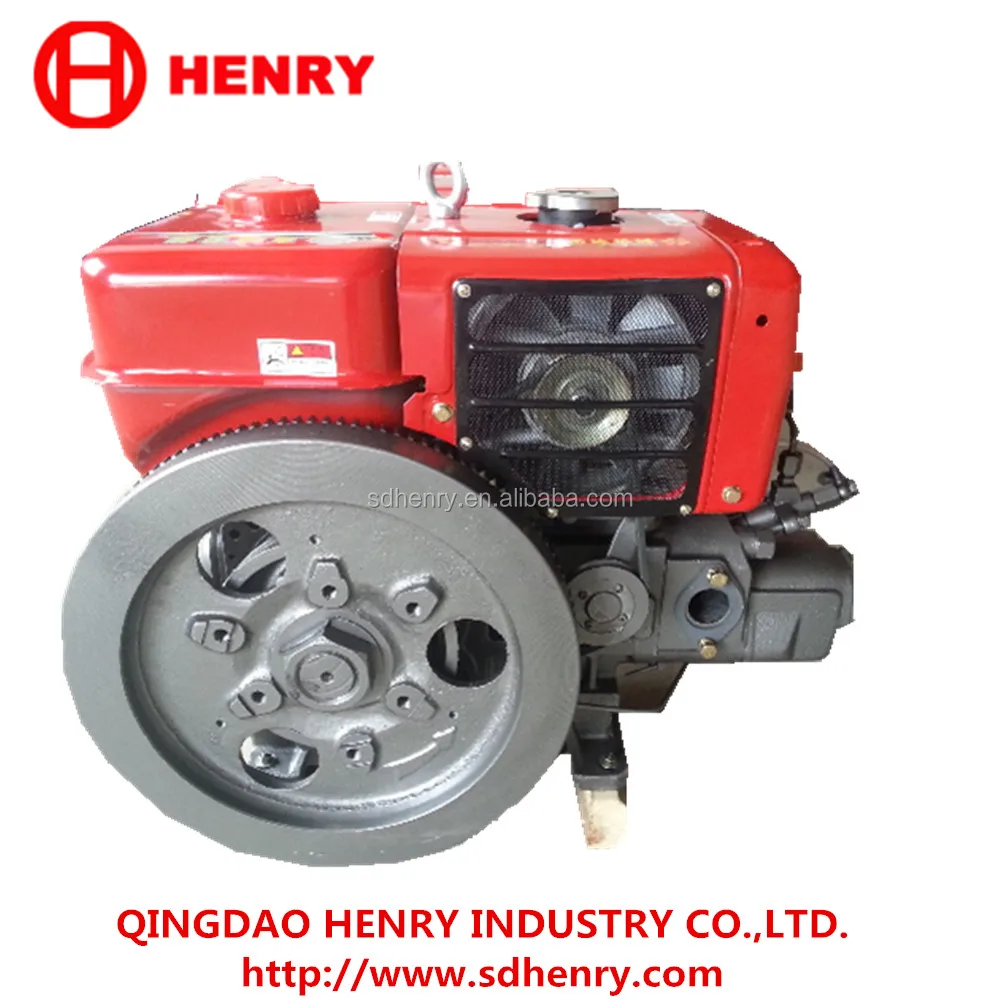
I did have a single cylinder 8hp diesel but it was old and too heavy so I gave it away.

HTB1C5RKJFXXXXa6XVXXq6xXFXXXj.jpg


But like you I have LPG gas - a two burner stove. My oven is an infrared microwave (1100W)

My battery bank is only 270ah but I have already made mounts up to double the amp-hours.

I did buy a suit-case generator 3000w with plans to install it on the yacht in an above deck enclosure near the push-pit but those plans are on hold.

Your advice is very much appreciated.(y)
 
Here's a bit more information

How many watts does a induction cooktop use?
How many watts is medium heat?


Medium: 400-500W

For most of our electric cooking we are using an average of 500w or less, but there are a couple of caveats to consider.

Induction hotplates regulate their power by pulsing. Some cheaper units apparently use short bursts of full power (typically around 1800w for single plate units) even on the lowest setting. Ours is better, but still pulses around 600-700w on the lowest setting.

You therefore need a inverter and a battery bank that is capable of delivering this pulse power for the unit to work even if you are content to stick to lower settings.

The second point is that electric boiling of hot water has similar advantages to electric cooking so when considering inverter and battery bank size installing a system capable of doing this is worthwhile. You can boil water on the lowest induction settings or use a low wattage electric kettle, but the ability to run a normal electric kettle (these are usually around 2000w) is nice. The power consumption is not too bad (less than 10 Ahrs @12v) for 1L of water, but you need a battery system and inverter capable of delivering 2000w for several minutes. This capability will also enable you to use the full range of power from the hot plate, although in practice we find the higher settings are rarely used.
 
I haven't read all the posts but I am convinced the seller is honest (100% Feedback Rating)...............................
But as I pointed out in post #13, this feedback is for products such as faux pampas grass, elastic bands and tethers. I can't see a single response from a buyer who has actually bought one of these or did I miss that? If so please share.
 
Top