
armchairsailor
Well-Known Member
Around here there's a product called CLR, which has lactic acid as the main ingredient IIRC. Also coke is good - phosphoric acid being particularly strong.


Around here there's a product called CLR, which has lactic acid as the main ingredient IIRC. Also coke is good - phosphoric acid being particularly strong.

Isn't there a bit of risk involved in leaving strongish acids sitting in brass/bronze seacocks? I've been lucky in that generous flushing has been good enough for me over the years.

None whatsoever. When I was writing one of my articles about failing seacocks a few years ago I tried to find a simple method of identifying whether the metal was brass or bronze. I exposed valves of both to hydrochloric acid for periods up to half an hour. Neither metal was even stained or discoloured by this treatment.

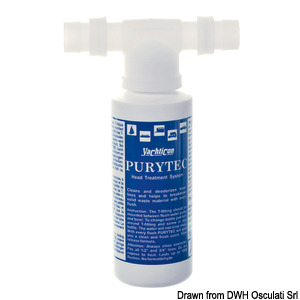
Got one of these on the water inlet, heads always smells very clean and fresh. It came with the boat and I didn't remove it.
I find that very surprising indeed especially the brass!
Don't take my word for it, try it for yourself.
Well you live and learn !
I would point out that the HCL emerging from my gut isnt enough to clear the build up of pee derived crud in the system !


Got one of these on the water inlet, heads always smells very clean and fresh. It came with the boat and I didn't remove it.

Just masking the problem. Convert to fresh water flush. I’ll never go back.
I guess then with no seawater flush you don't get the build up others are talking about?
I guess then with no seawater flush you don't get the build up others are talking about?
Thanks for all your replies, there is no total solution only reducing the problem.
The main things seem to be
Do not leave undulated urine in the pipe, pump it through with lots on water. Pump though freshwater to clear out the salt if you are leaving the boat for a few days. Leaving Vinegar in the pipe seems to prevent the crud getting started. Don't fiddle with the old pipework it breaks up the crud and blocks things up.
Still a bit worried about the HCAcid. I have an early very solid looking seacock with Polypropylene stamped on it, what will 30% HCA do to that and what will it do the rubber valves in the toilet, the plastic u bends and the plastic parts of the toilet. I am sure the chemists on the forum will have the answers.
I have decided to take the pipe out and replace it over the winter. Still undecided whether to replace the whole toilet, Replace the pump unit with a twist and lock or just replace all the seals in the existing Toilet.
Thanks
David MH
I would had thought an electric flush toilet would had kept it self and the pipes clean ,Well, I would not put 30% HCL in there - too much respect for the components of my expensive electric flush heads. I may well dilute some brick cleaner down to something like 10% and let that stand for a while.

Thanks for all your replies, there is no total solution only reducing the problem.
The main things seem to be
Do not leave undulated urine in the pipe, pump it through with lots on water. Pump though freshwater to clear out the salt if you are leaving the boat for a few days. Leaving Vinegar in the pipe seems to prevent the crud getting started. Don't fiddle with the old pipework it breaks up the crud and blocks things up.
Still a bit worried about the HCAcid. I have an early very solid looking seacock with Polypropylene stamped on it, what will 30% HCA do to that and what will it do the rubber valves in the toilet, the plastic u bends and the plastic parts of the toilet. I am sure the chemists on the forum will have the answers.
I have decided to take the pipe out and replace it over the winter. Still undecided whether to replace the whole toilet, Replace the pump unit with a twist and lock or just replace all the seals in the existing Toilet.
Thanks
David MH