Saildrive - things to watch out for

MK101

Well-Known Member
Joined
17 Oct 2017
Messages
75
Visit site
Can I ask what you would advise if looking at a boat which has a sail drive? I have no experience of them, so would be interested to know what specifically should be watched out for, in general terms. Thanks in advance for any advice!
 
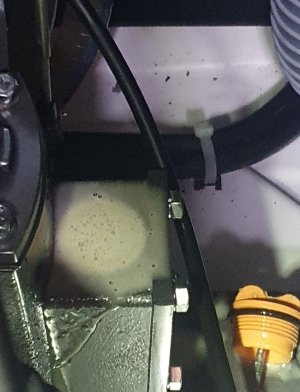
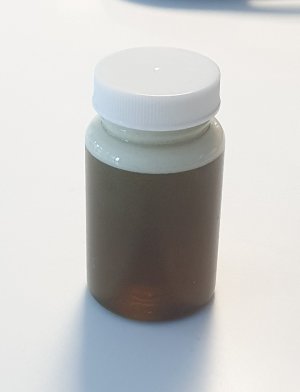
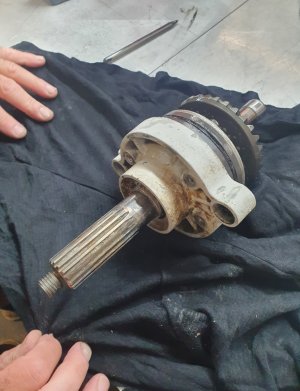
Check the gearbox oil for milkyness caused by water getting in to it. Saildrives have two oil seals on the propeller shaft, back to back, one keeping the seawater out and one keeping the oil in. These wear over time and need replacing, they are cheap so if you diy that's not expensive , but what also happens is that they wear grooves in the shaft itself, which then needs building up and machining back smooth, or else sleeving with a speedi seal or something or else replacing completely.
Less commonly, if the anodes have not been replaced as and when needed then corrosion can be severe.

Finally, ask when the drive to hull rubber diaphragm seal was last replaced.
 
Sail drive common issues:

The output shaft seal on the final drive to the propeller fails allowing water into the gearbox. The gearbox level rises and the oil is emulsified with water. The easiest way is to check the gearbox level from within the engine compartment and ensure that the oil is clean and not emulsified and is not overfilled., if this is allowed to remain long term then damaged to the internal bearings via sea water would be an expectation:

The diaphragm that the saildrive protrudes through is subject to a manufacturers replacement schedule depending on the manufacturer but it is generally around seven years.
You probably need to be aware of this as in the event there was an insurance claim because of failure the insurers could void the claim if the diaphragm is beyond the manufacturers recommended replacement time:

The pressed steel ring holding the diaphragm to the hull skin is inclined to corrode so you would need to check that:

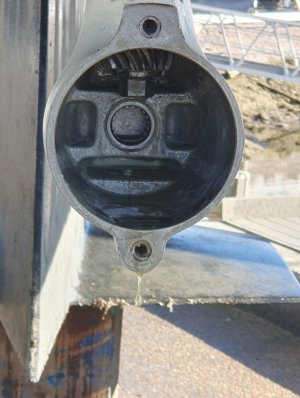
Sail drives are nearly all aluminium on the exposed sections beneath the waterline and will be subject to corrosion and regular anode replacement:

On some of the older Volvo saildrive there is a cooling water intake tap which corrodes and in many cases has to be bypassed:


Just noted similar reply posted at almost same time!
 
There should be a date on the diaphragm, bear in mind this is date of manufacture, not installation.

We changed the diaphragm on Blush twice, both times it was about 14 years old. There was no sign of deterioration, but when we changed the second one there was corrosion on the drive so we changed that as well.
 
You might find leaving aside the issues above that a saildrive has little noticeable propwash -in might experience anyway . It’s just the costs of the seven year replacement mentioned in post #3 above . Most Bavaria and Hanse tend to have saildrive so many non Volvo/yanmar dealers have experience of the process so even if you don’t DIY help is readily out there. Many seem to go beyond the recommended replacement -we did ours around 8 years.
 
If it's the Yanmar SD25 then only check the oil level when it's stone cold, ie at least 24 hours after engine run.

These drives aerate the oil which I mistook for emulsifying as did several engineers who looked at it.

I had the oil tested, very little water content (more condensation levels than contamination) and changed the two seals at great expense due to lift out.

Yanmar finally came back and told me this was a trait of the SD25.

Oil changes can only be done out of the water as the oil can't be sucked out like the engine.

Screenshot_20250818_041440_Gallery.jpg
Screenshot_20250818_041458_Gallery.jpg
Screenshot_20250818_041516_Gallery.jpg
Screenshot_20250818_041747_Gallery.jpg
Screenshot_20250818_041753_Gallery.jpg
 
Top