Greenheart
Well-Known Member
I don't know how my dinghy's previous owner got the rudder up before the tip hit the ground when coming ashore, and kept it out of harm's way while hauling out...
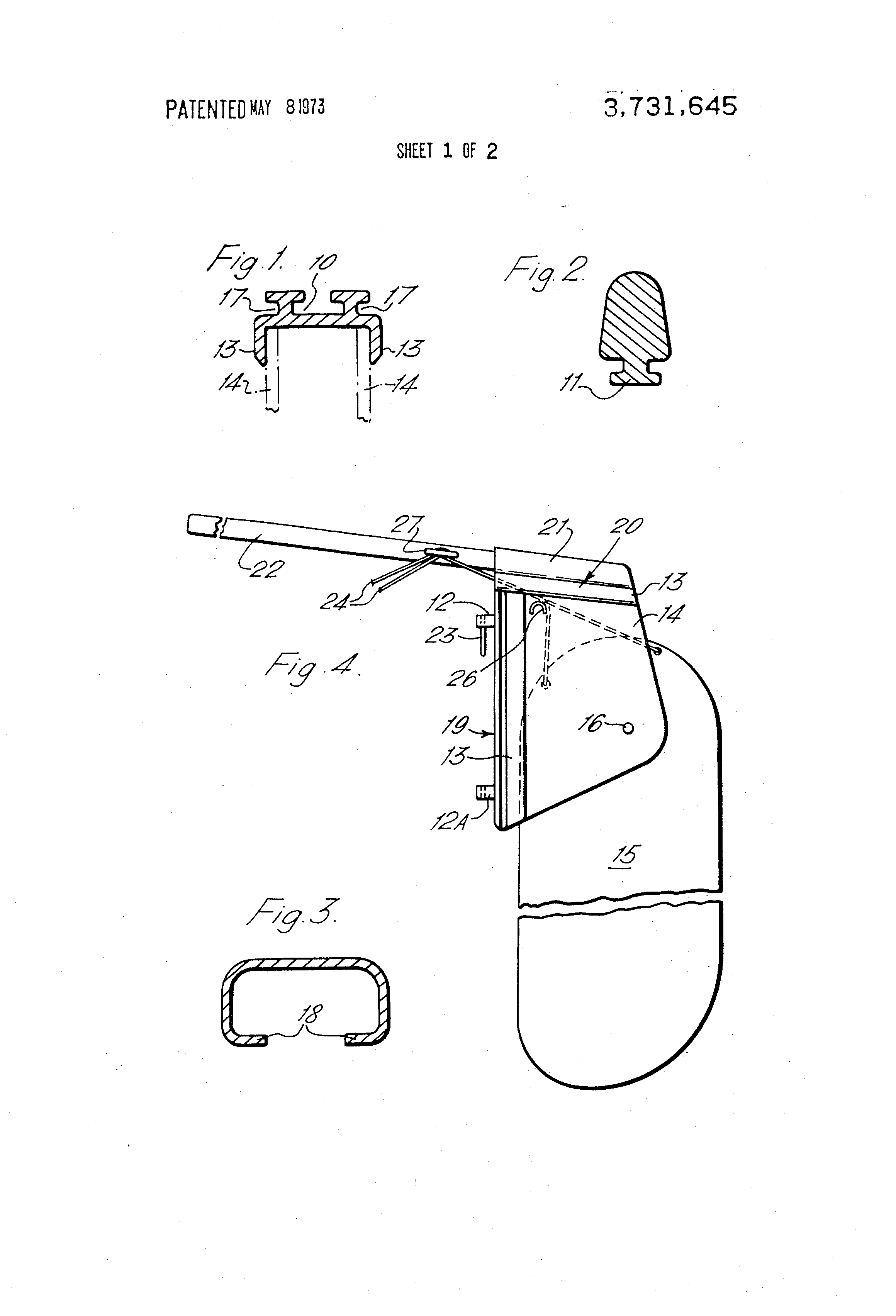
...but I've fitted an 18" stick of iroko into the hollow tubing of the tiller, so the end of the stick easily overhangs the rudder's trailing edge. I put a tackle on the end of the stick and led it forward to a cleat, so at any time I can bring the whole (very large) rudder blade out of the water, and keep it at whatever angle is convenient.
(There ought to be a photo here of my neat little raising/lowering system. When I find it, I'll add it.)
It really does work nicely...except, the tackle's attachment to the blade is quite a few inches below the waterline. Located higher, the leverage is considerably reduced and enormous strain is required on the tackle and its attachments, just to raise the pivoting blade...
...so, I must drag two short lines through the water, just abaft the rudder's trailing edge. The resistance they represent hadn't occurred to me at all, until I realised that the lines 'thrum' noisily at certain speeds - over about three knots and less than five. Faster than that, they go quiet.
I think the line I use is 2mm burgee halyard, so it's not like towing a bucket, though racers might disagree. But considering my modification wasn't used previously, nor (I suppose) was it felt to be needed, how else might a swinging rudder blade be raised remotely, from the cockpit?
...but I've fitted an 18" stick of iroko into the hollow tubing of the tiller, so the end of the stick easily overhangs the rudder's trailing edge. I put a tackle on the end of the stick and led it forward to a cleat, so at any time I can bring the whole (very large) rudder blade out of the water, and keep it at whatever angle is convenient.
(There ought to be a photo here of my neat little raising/lowering system. When I find it, I'll add it.)
It really does work nicely...except, the tackle's attachment to the blade is quite a few inches below the waterline. Located higher, the leverage is considerably reduced and enormous strain is required on the tackle and its attachments, just to raise the pivoting blade...
...so, I must drag two short lines through the water, just abaft the rudder's trailing edge. The resistance they represent hadn't occurred to me at all, until I realised that the lines 'thrum' noisily at certain speeds - over about three knots and less than five. Faster than that, they go quiet.
I think the line I use is 2mm burgee halyard, so it's not like towing a bucket, though racers might disagree. But considering my modification wasn't used previously, nor (I suppose) was it felt to be needed, how else might a swinging rudder blade be raised remotely, from the cockpit?