Reversing woes.

You've got it! None of this creeping out of the berth as if you were trying to steal the boat. Lots of welly. One big blast to get the boat moving, then either cut it back or knock into neutral to give you steering that is, er, neutral.

That's the only way I can steer my boat (Achilles 24) to port going astern. Max revs and rudder over at 45 degrees and it will pick up speed going straight back. Knock it into neutral and she'll carry her way and obey the rudder. Be ready to give a burst of forward before you hit something. Either that or let her turn to starboard with the prop walk, and then execute a three/5/7 point turn. Easy to do in a confined space because the prop walk is working for you, not against.
 
That's the only way I can steer my boat (Achilles 24) to port going astern. Max revs and rudder over at 45 degrees and it will pick up speed going straight back. Knock it into neutral and she'll carry her way and obey the rudder. Be ready to give a burst of forward before you hit something. Either that or let her turn to starboard with the prop walk, and then execute a three/5/7 point turn. Easy to do in a confined space because the prop walk is working for you, not against.

Great advice - using prop walk to turn the stern. Add that to wind to blow the bow and you have two magic forces that allow you to do impossibly tight manoeuvres if you go with them, or make things nearly impossible if you fight them.
 
I’ve not been so amused by a thread for a long time. Pretty well every suggestion made will work well in certain conditions, but none will work well in all conditions. You just need to get to know exactly how your boat reacts to all possibilities. Wind speed and direction vary a lot and there is often that nasty gust just at the wrong moment. Which method to choose? It will depend entirely on the conditions at the time and your own assessment of what is required. You will get better at it the more you get to know your boat. Practice, practice,practice and know your limitations and disasters will be few.
 
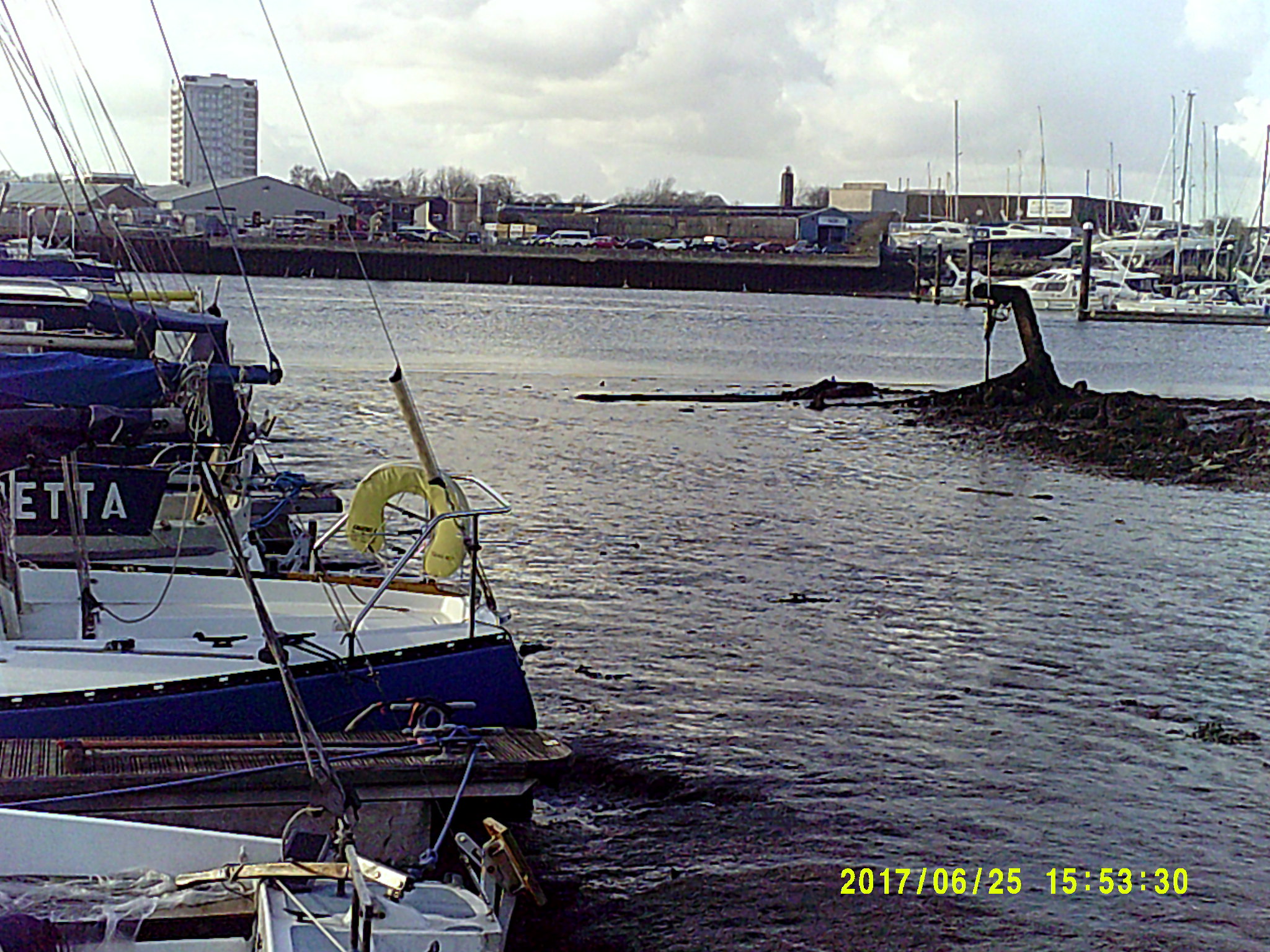
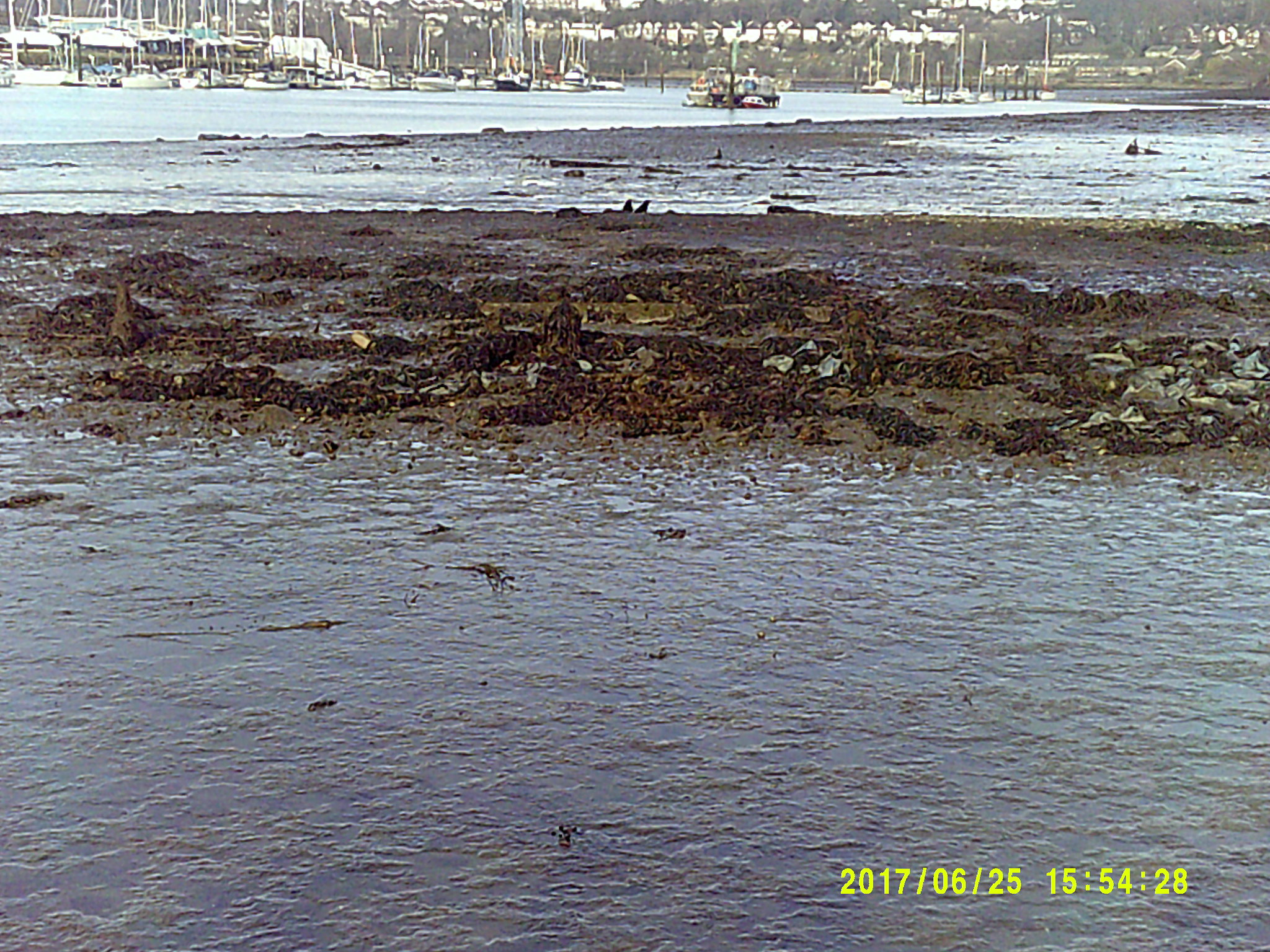
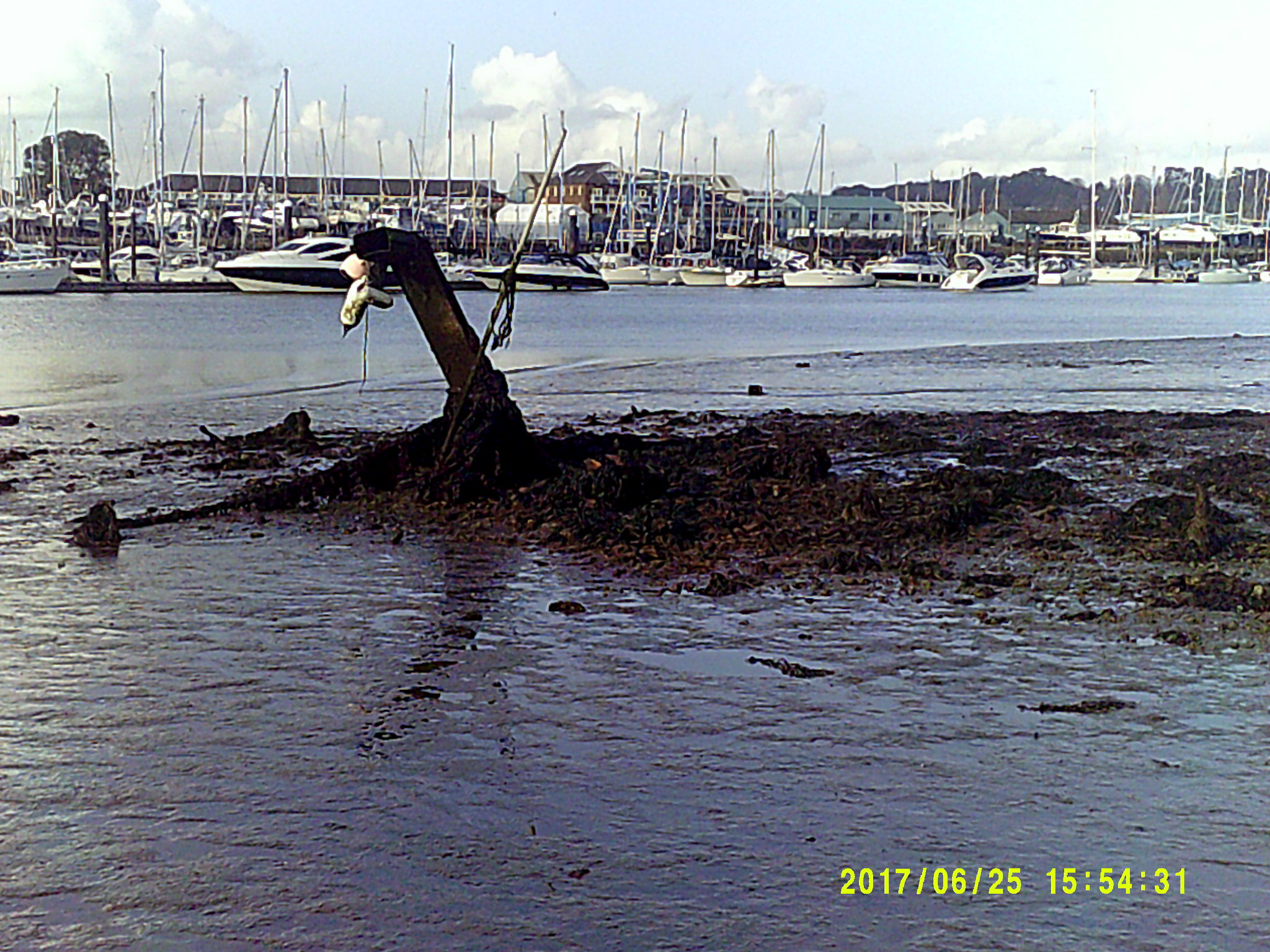
Where we moor, our pontoon has a mud bank about three boat lengths away directly in our path. It become too shallow to skirt it very widely to port, and the pontoons make it just about impossible to come in from the stardboard.
You need a big shovel or a man with a digger.
 
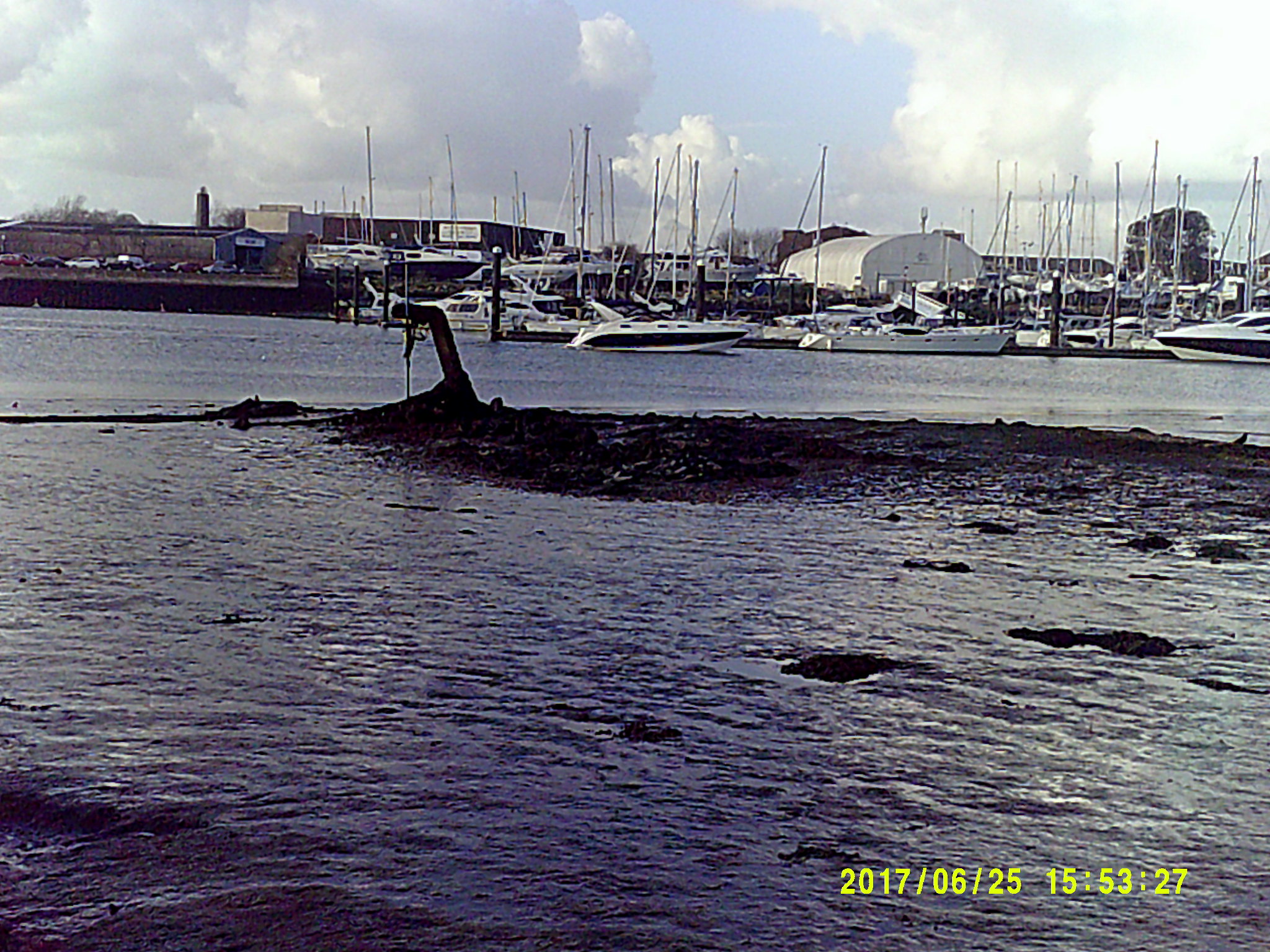
With the tide out you can see our very own Nessie

2017_06_25_15_53_27 by mark punksteel, on Flickr

2017_06_25_15_53_30 by mark punksteel, on Flickr

2017_06_25_15_53_52 by mark punksteel, on Flickr
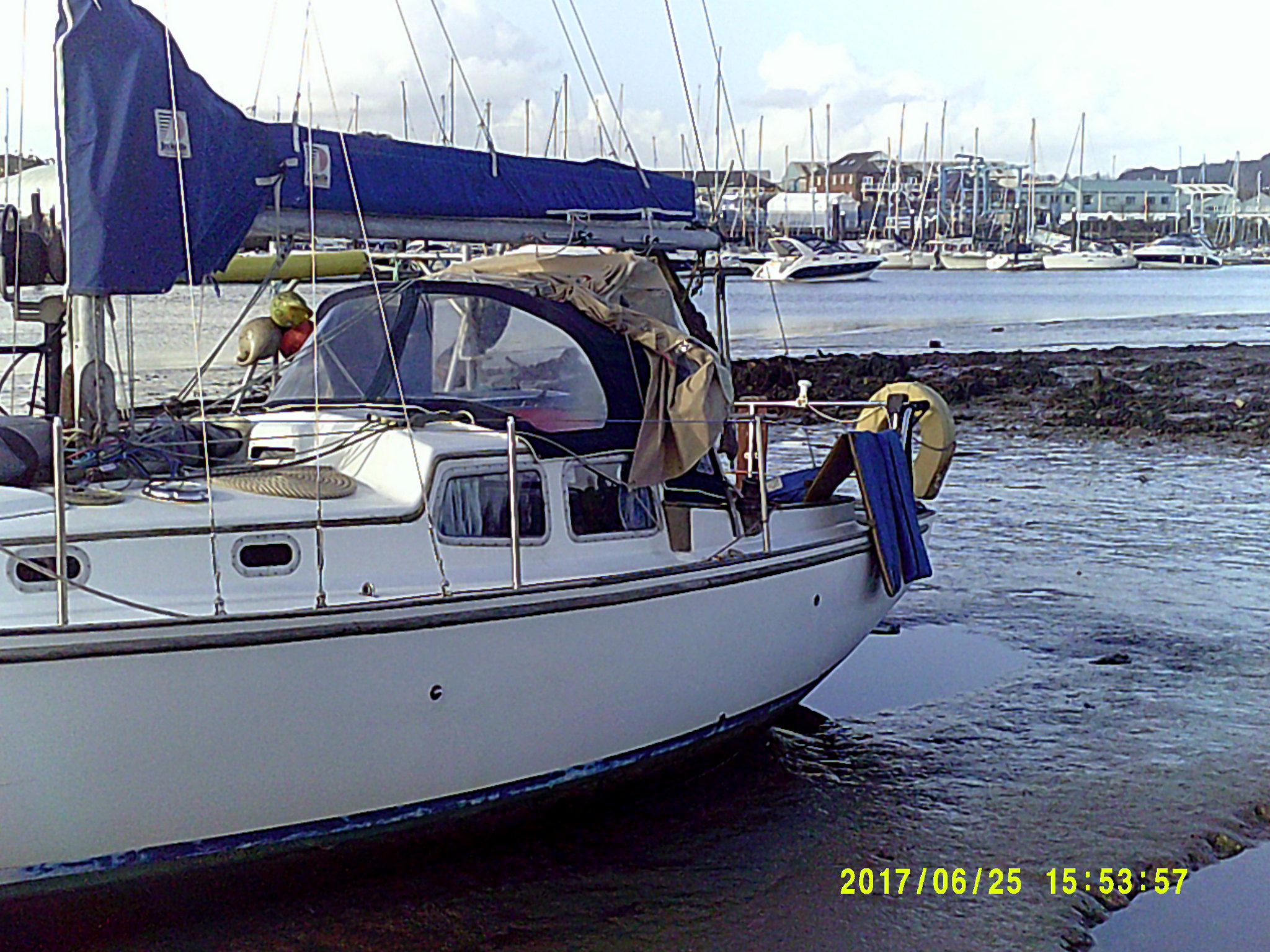
This is us


2017_06_25_15_53_57 by mark punksteel, on Flickr


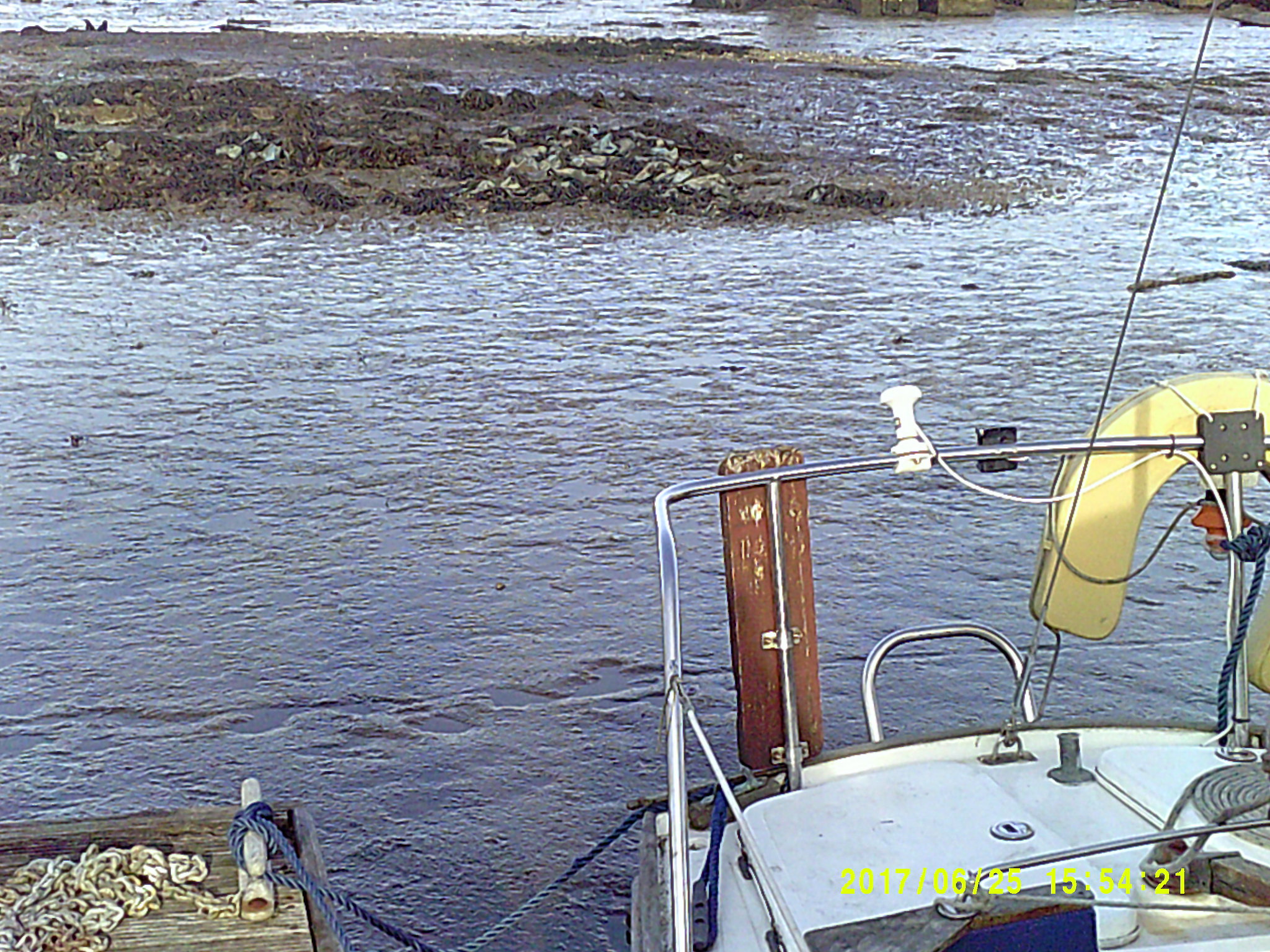
View from the stern, the mudbank actually begins a boat length away

2017_06_25_15_54_21 by mark punksteel, on Flickr

It has all gathered around the ancient pilings of an old pontoon, look closely and you can see old wooden pilings. Nice bit of waterside archaeology if you are that way inclined ;-)

2017_06_25_15_54_28 by mark punksteel, on Flickr

2017_06_25_15_54_31 by mark punksteel, on Flickr

It is higher than it looks in the pics too. this tiny cam seems to flatten it out
 
I know where your boat is, and I have borrowed Moonshadow which is very near you a number of times. With a spade rudder she probably goes better astern than your boat, but is a hell of a lot bigger, and nowhere near as easy to fend off, and it's probably a lot tighter due to her size in every dimension. I've come in astern every single time...I get myself set up and sorted way out in clear water, get her responding properly with plenty way on, and make really quite a long approach run from way out in the channel...30, 40 boatlengths or so.

As has been pointed out, there's no right answer here, as every circumstance will be different, but my advice to you is totally stop your boat way out from the pontoons and see what she wants to do. What's winning, wind or tide? Which was does she want to point? How fast does she start to drift? How quickly can you stop her?

I'd also disagree slightly with "gun the throttle". If I did that in my old boat, a Sabre 27, it will tend to just make her propwalk really hard. A slow application of throttle, slowly and smoothly building the revs so what I was asking for was just slightly ahead of what the boat was delivering gave a much straighter reverse. If propwalk started to take over, I cut the throttle and then she'd steer more readily.

I'd also recommend on a calm day finding your optimum rudder angle for max yaw/turning when going astern. This may be starting the turn very gently, or it could be 30 degrees, or 50 degrees. And have a firm hold of the tiller and don't get pinned in/injured if it slams across. You may find standing up in front of the tiller, facing astern works really well here both from a safety point of view, and in terms of seeing where your rudder is actually pointed.

It's just experiment, practice, try and see in open water on a calm day. You'll soon be reversing round in figures of eight or turning the boat within her own length using the throttle, propwalk, and one rudder angle that you don't change. Word to the wise...however bad it seems to be going, never crash from ahead to astern or vice versa without allowing the propshaft time to stop. Again, if you can, lift the cockpit sole and look at what's happening to the propshaft as you go into neutral so you can make a mental note of how long you need to leave it.

The old adage...as slow as possible, as fast as necessary is your mantra here! But going astern, don't be afraid to be going a bit faster. You must always have enough way on that the bow is following the stern...go too slow and it will start to do it's own thing.

Good luck and enjoy!
 
Thanks Ian, Moonshadow is opposite us. Beautiful machine. We went down today just to practice again, but the wind was ridiculous - let alone the cold, so we decided there was nothing to be gained. It was surprisingly busy though, a few people on the marina and some hardy souls in a rib on the river. Our next session is going to be Tuesday, hopefully we will crack it. From this thread I have a long list of often conflicting advice, but it is all about what works in what circumstance, so we will take time to distil it down by experimentation with all the suggestions in every condition we can.
I am absolutely loving this new learning experience. Sailing a bigger yacht is easier than a dinghy so far, but the ancilliaries, having a proper engine etc, and learning the behaviour under motor is interesting.
 
running a line might work if Karen doesnt panic


I long ago learned that in tight handling situations it was best to have SWMBO on the helm with me the one to leap onto pontoons, hand off etc.

The natural male peacock tendency is to do the "i'm a knarled old sea dog" bit and steer the boat all the time leaving the less strong female to do the bits requiring strength.
 
I long ago learned that in tight handling situations it was best to have SWMBO on the helm with me the one to leap onto pontoons, hand off etc.

The natural male peacock tendency is to do the "i'm a knarled old sea dog" bit and steer the boat all the time leaving the less strong female to do the bits requiring strength.

I am with you there, she is still not happy steering and handling the throttle, which is another reason we are practising so she can get used to that. Today when we decided against getting out there, I took her through the engine controls, electrics, plumbing etc. She is catching up fast, and having knowledge of what is going on down below with the engine should help her confidence.
 
Buckets with a hole in the bottom on a lanyard attached to cleat on each quarter. Kick overboard as required to swing stern either way as necessary. The holes facilitate retrieval.
 
Cracked it!!!

Hurrah! After a couple of hours messing about today, going up and down river backwards, backing in to finger pontoons, coming alongside, and edging up to mooring buoys, I can finally steer the bloody thing backwards! We must have looked quite a sight, bimbling around past the marinas, merrily going astern, performing figure of 8s and other strange feats of reverse manoeuvring past all the people out working on their boats.
One other problem i found, which was contributory to my previous woes, is that the tiller to rudder shaft coupling has a great deal of play in it, about 30 degrees under load in reverse - The nut on top has worn in to the tiller top metal thingie, the name escapes me right now, that the wooden tiller slots in to. It seems whoever fitted it last did not deem a washer necessary so the nut has eaten down through the metal.
I am hoping that when the boat is in mud, I can get something to support the rudder while I fix it, as the top nut is the only thing holding the rudder in and i do not want it sinking into the mud to be gone forever. Any ideas?
 
Last edited:
I long ago learned that in tight handling situations it was best to have SWMBO on the helm with me the one to leap onto pontoons, hand off etc.
.

One thing I always tell my crew (If I have any) is NEVER LEAP. If I cannot get the boat close enough to step ashore then forget it. I will go out & come back in again. It is a recipe for a accident & i have met people who have broken ankles doing it.
Get opposite the shrouds. Step over the guard rail on to the gunwale, wait until we come alongside , Keep hold of the shroud , then when near enough step onto the pontoon, taking care not to step onto a cleat.
If I cannot get the boat in the right place then stay where you are. It's my problem .
 
Last edited:
One thing I always tell my crew (If I have any) is NEVER LEAP. If I cannot get the boat close enough to step ashore then forget it. I will go out & come back in again. It is a recipe for a accident & i have met people who have broken ankles doing it.
Get opposite the shrouds. Step over the guard rail on to the gunwale, wait until we come alongside , Keep hold of the shroud , then when near enough step onto the pontoon, taking care not to step onto a cleat.
If I cannot get the boat in the right place then stay where you are. It's my problem .

Very sensible policy :encouragement:
 
Re: Cracked it!!!

I am hoping that when the boat is in mud, I can get something to support the rudder while I fix it, as the top nut is the only thing holding the rudder in and i do not want it sinking into the mud to be gone forever. Any ideas?

Surely some ratchet straps to the stern mooring cleats and a little strap directly under the rudder would take the weight. But yes, precision lining up might need a supply of nuts in case.
 
Here's a thought, if you were to run a line across to that piece of steel sticking up from the mud bank, you would have a means of guiding yourself out in a straight line astern until near the mudbank when you could release the line and motor away ahead. To avoid you, or anyone else, getting foul of the line, it would obviously have to be of some material that would sink to the bottom.

It could work but, looking at that mud, it would be a messy business! :D
 
Last edited by a moderator:
Here's a thought, if you were to run a line across to that piece of steel sticking up from the mud bank, you would have a means of guiding yourself out in a straight line astern until near the mudbank when you could release the line and motor away ahead. To avoid you, or anyone else, getting foul of the line, it would obviously have to be of some material that would sink to the bottom.

It could work but, looking at that mud, it would be a messy business! :D

I am supposed to be the clown around here. You made me chuckle then:D That steel's days are numbered, come a summers low tide, and a plasma cutter it will no longer be a landmark. :encouragement:
 
Top