port engine not revving as much as strbrd?

clocked nearly 50nm today on beautiful sunny conditions and no wind whatsoever.
Unfortunately port engine still wont rev over 1800rpm, so looks like separ and instant gasket is not to blame...
Clearly no power there, lots of smoke, but not getting there.
LS1 or anyone else know when is turbo theoretically kicking in on this engine?

So this week it's floor off, remove filter, check turbo is spinning freely.

If true, check dv for leaks, if ok, try to tee of the dumpvalve vacum and see what pressure I get.

Only problem is that I've not got the service manual for this engine, anyone can help with a PDF/jpgs on that I'd very much appreciate it.

cheers

V.
 
spend couple of hours today on the boat, checked stbrd engine first (as it's much easier to access) figured out how to remove air filter, checked injectors and bov pipework, all fine. Turbo spinning nicely and even started the engine and it would spin no probs.

Moved to port engine, finally access is not that bad except that the floor is a bit of a pain to remove so you end up working on 10-15cm. Turbo is NOt spinning, used a 12mm spanner to turn the axle (has double nuts on the inlet end) and with a bit of force had it turn 180deg) Didn't force it too much and I don't think there is any point tbh...

So, need a turbo rebuilt :(

Unless it's an easy removal (looks rather straight forward) and quick to fix(not got a clue, will check tomorrow), it looks like I'm going to stick to displacement speeds for now till next summer. Not a big problem tbh, but would be rather nice to see how she behaves on plane :(
OTOH, wife is keen on keeping her in the water for another few weeks so I'm tempted to find out who can fix the turbo quickly around here ;)

I'm more worried on why this happened tbh, as it seems a fairly robust thing, with decent size oil piping to lubricate/cool the turbo. So will have to test oil feed to the turbo for blockage or other issues that could cause more problems in the future. Most likely will get a clean oil pan undo the piping to the turbo and run the engine to check oil feed before removing the turbo for a rebuilt.

and the obligatory questions:

Q1. do such monster engines actually have some sort of paper/cloth/whatever air filter? Its a alloy tube around 4 inch surrounded with a double perforated metal barel thing acting as filter. I'd have thought there should be something more inthere, no?
Q2. sticking to 1000-1200rpm (redlining at 2700) will cause no harm to the buggered turbo, right?


Any ideas as always welcomed!

cheers

V.
 
............Moved to port engine, ........ Turbo is NOt spinning, used a 12mm spanner to turn the axle (has double nuts on the inlet end) and with a bit of force had it turn 180deg) Didn't force it too much and I don't think there is any point tbh...

So, need a turbo rebuilt :(

and the obligatory questions:

Q1. do such monster engines actually have some sort of paper/cloth/whatever air filter? Its a alloy tube around 4 inch surrounded with a double perforated metal barel thing acting as filter. I'd have thought there should be something more inthere, no?
Q2. sticking to 1000-1200rpm (redlining at 2700) will cause no harm to the buggered turbo, right?


Any ideas as always welcomed!

cheers

V.

Quite common engines,so you may find a replacement Turbo ... Sorry to hear this though.... Most marine engines are built well and yours shoud be pretty solidly built from my research. So my suspicion is that you suffer from what is common in leisure boats ... "she has been standing to death .."... lack of use have caused the very common problem of lack of use having caused failure....

In respect to air filters... you mean like left (port side) of this ...

DSC_0751.jpg


and when removed on aft deck like this ?

DSC_0757.jpg


Keeping her below the RPM where Turbo kicks in (1200 RPM ??) should not damage engine.... push above and you may end up with un-burnt diesel (black smoke), which is not good....
 
Quite common engines,so you may find a replacement Turbo ... Sorry to hear this though.... Most marine engines are built well and yours shoud be pretty solidly built from my research. So my suspicion is that you suffer from what is common in leisure boats ... "she has been standing to death .."... lack of use have caused the very common problem of lack of use having caused failure....

In respect to air filters... you mean like left (port side) of this ...

DSC_0751.jpg


and when removed on aft deck like this ?

DSC_0757.jpg


Keeping her below the RPM where Turbo kicks in (1200 RPM ??) should not damage engine.... push above and you may end up with un-burnt diesel (black smoke), which is not good....

so shouldn't worry too much that there was some oiling issues then?
Will check in the morning regarding rebuilt or buying new (doubt I'd be happy with what I'll be quoted tbh)

Re filters: yes and yes
Alf, you call this thing on your aft deck a filter? if yes, np then I have filters, I'd have thought they need something in there to actually filter air, as in car engine filters :confused: (as you can imagine not familiar with twin diesel boats...)

Ah, btw, found a bung (22m spanner to remove) on the inlet plenum, removed it, will find suitable nipples with taps and fit so that I can plumb 6-8mm piping to boost gauges for both engines. Even thinking of using one of the two sets of boost gauges from my DD engines (originally measuring oil pressure??? for that ;) )

Forget this last bit, gauges are electronic as in 3-4wires on the back and no boost pipe. Will use my trusty 4bar boost gauge from my 16vt Fiat engine.

V.
 
Last edited:
spend couple of hours today on the boat, checked stbrd engine first (as it's much easier to access) figured out how to remove air filter, checked injectors and bov pipework, all fine. Turbo spinning nicely and even started the engine and it would spin no probs.

Moved to port engine, finally access is not that bad except that the floor is a bit of a pain to remove so you end up working on 10-15cm. Turbo is NOt spinning, used a 12mm spanner to turn the axle (has double nuts on the inlet end) and with a bit of force had it turn 180deg) Didn't force it too much and I don't think there is any point tbh...

So, need a turbo rebuilt :(

Unless it's an easy removal (looks rather straight forward) and quick to fix(not got a clue, will check tomorrow), it looks like I'm going to stick to displacement speeds for now till next summer. Not a big problem tbh, but would be rather nice to see how she behaves on plane :(
OTOH, wife is keen on keeping her in the water for another few weeks so I'm tempted to find out who can fix the turbo quickly around here ;)

I'm more worried on why this happened tbh, as it seems a fairly robust thing, with decent size oil piping to lubricate/cool the turbo. So will have to test oil feed to the turbo for blockage or other issues that could cause more problems in the future. Most likely will get a clean oil pan undo the piping to the turbo and run the engine to check oil feed before removing the turbo for a rebuilt.

and the obligatory questions:

Q1. do such monster engines actually have some sort of paper/cloth/whatever air filter? Its a alloy tube around 4 inch surrounded with a double perforated metal barel thing acting as filter. I'd have thought there should be something more inthere, no?
Q2. sticking to 1000-1200rpm (redlining at 2700) will cause no harm to the buggered turbo, right?


Any ideas as always welcomed!

cheers

V.

Your air filters are the original IVECO design and are perfectly adequate, unless you have some serious joinery done on board marine air cleaner should have a real easy life.

Your turbo blades frozen in housing?? Forget the lube oil feed you have potentially bigger problems. 99% of marine turbo failures are caused by poor exhaust system design. If you can take a pic of the of the riser arrangement and post it I will pretty much tell you the cause.

Do not continue trying to turn the compressor wheel as it is likely that cobs of rust are jamming the exhaust turbine wheel. Just having turbo reconditioned is not the answer. Likely that riser design is allowing seawater back into housing. This has to be priority job as any fix will not be robust.

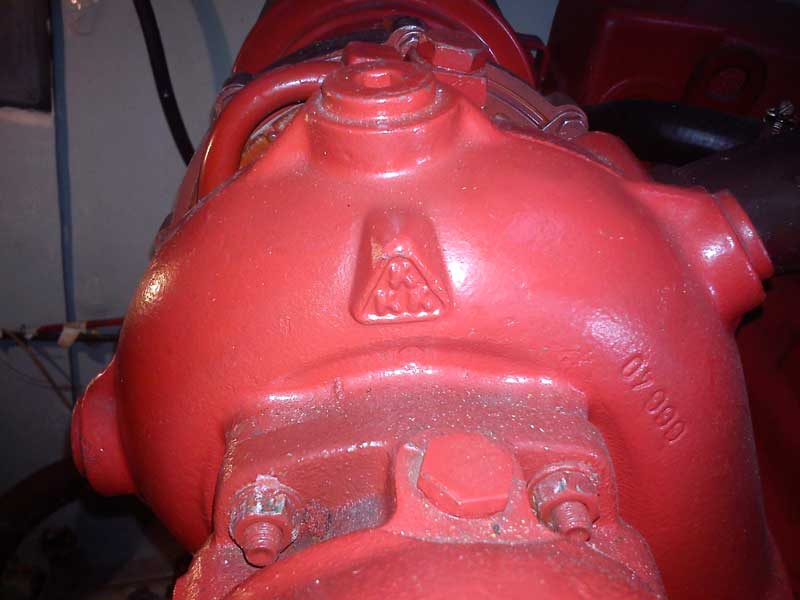
I looked at the turbo and it is not Holset which was fitted to many 8060's, likely KKK turbomachinery seems to have a form of cast iron consisting of putty metal which seems to attract salt!

You seem to have decent skill level there is still a chance that you can recover the situation at reasonable cost. Get the turbo off and remove the exhaust snail from the center housing cartridge. You may need some heat and a copper faced hammer as joint has a 'slow' taper. Take a look at turbine housing, you will likely find rusting is causing turbine to stick.

Next step check the cartridge and wheels for damage without the exhaust housing shaft should spin freely. If you pass this step recovery of the housing may just be possible if rusting has not spread inside the volute. Have the exhaust housing sand blasted to remove the offending rust. It may JUST be possible that turbo can be saved. Shame it is not a Holset as new exhaust snails are available off the shelf, KKK appear less easy. However if rusting of nozzle is real bad a competent machine shop can often machine out the housing and braze in a stainless steel sleeve to effect a repair.

You need a new exhaust/turbo gasket (make sure you get it correct way around) and steel embossed riser gasket.

Bang it all back together remembering to prime the turbo with lube oil before starting up!

However unless you take a serious look at your exhaust system all this is pointless.
 
Your air filters are the original IVECO design and are perfectly adequate, unless you have some serious joinery done on board marine air cleaner should have a real easy life.
okay, got that bit, will relax as far as air filtration is concerned.

Your turbo blades frozen in housing?? Forget the lube oil feed you have potentially bigger problems. 99% of marine turbo failures are caused by poor exhaust system design. If you can take a pic of the of the riser arrangement and post it I will pretty much tell you the cause.

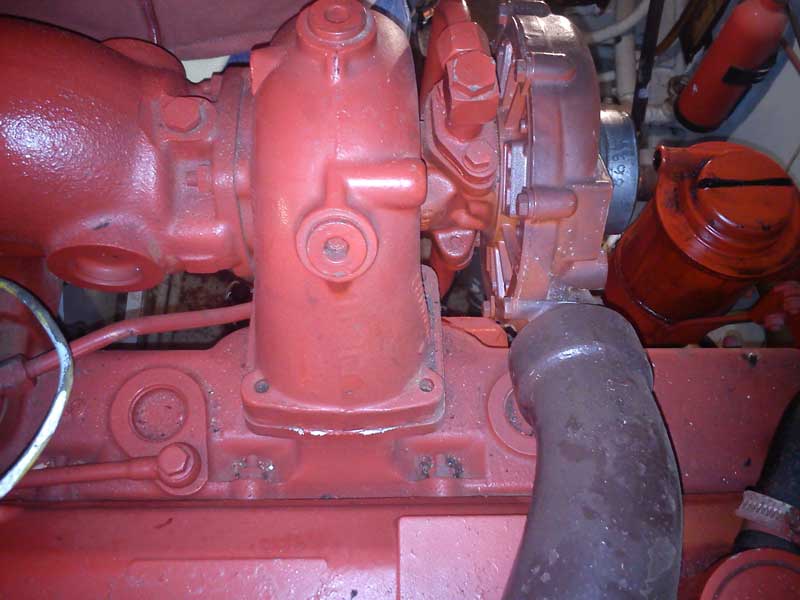
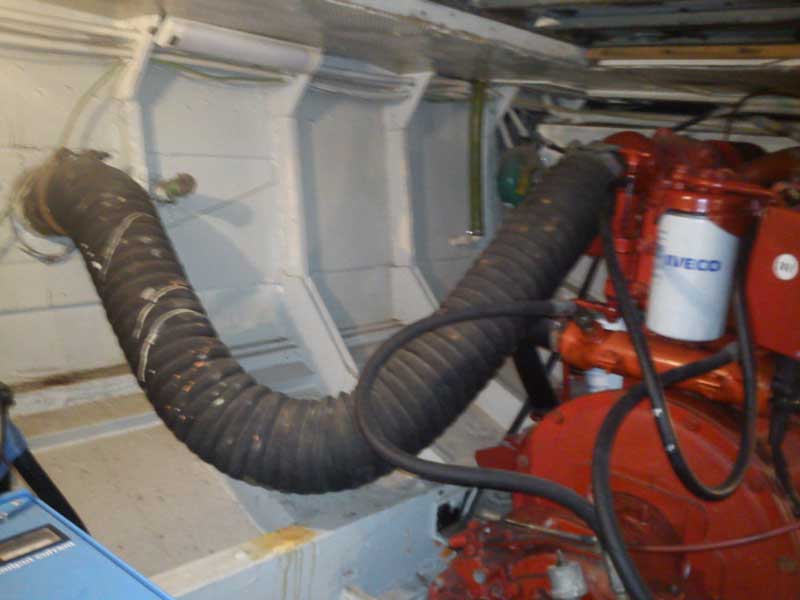
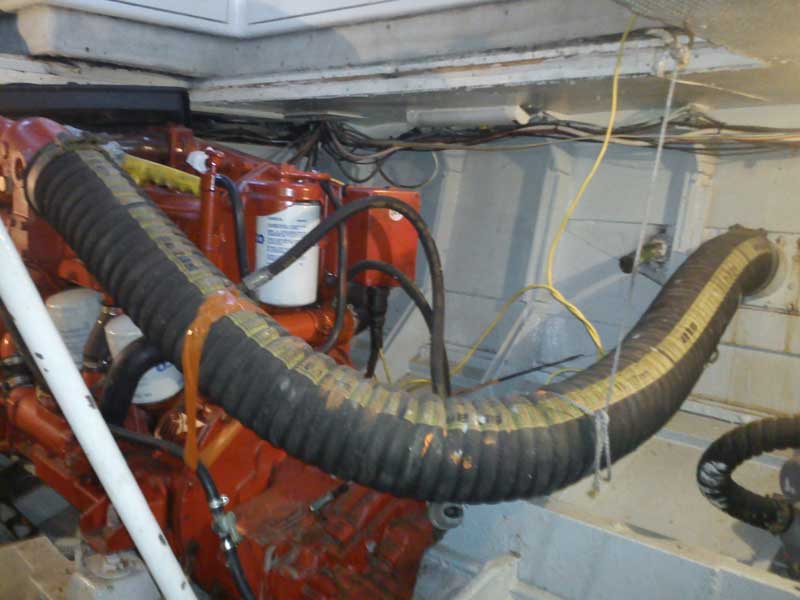
hm, having a terminology problem regarding the "riser" but never mind, I took photos of the whole setup as is now and I hope the photos below may help you in figuring out what's happening.

so, side elevation:
turbo_side_elevation.jpg


assembly top views:
turbo_top_view.jpg


turbo_top_view_2.jpg


and overview of the exhaust flex pipework layout for both engines:

port:
port_exhaust_flex.jpg


and stbrd:
strbrd_exhaust_flex.jpg


Do not continue trying to turn the compressor wheel as it is likely that cobs of rust are jamming the exhaust turbine wheel. Just having turbo reconditioned is not the answer. Likely that riser design is allowing seawater back into housing. This has to be priority job as any fix will not be robust.

I looked at the turbo and it is not Holset which was fitted to many 8060's, likely KKK turbomachinery seems to have a form of cast iron consisting of putty metal which seems to attract salt!
Unsurprisingly you're spot on, there's KKK written all over the exhaust and compressor housings...

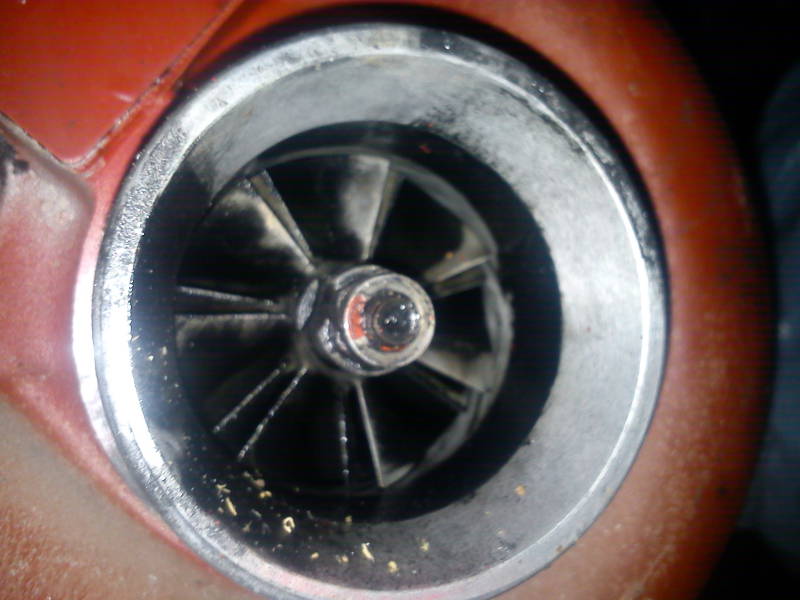
this is the seized turbo
turbo_port_inlet.jpg


and this is the exhaust housing IDs if it's of any help
turbo_exhausthousing_ids.jpg


You seem to have decent skill level there is still a chance that you can recover the situation at reasonable cost. Get the turbo off and remove the exhaust snail from the center housing cartridge. You may need some heat and a copper faced hammer as joint has a 'slow' taper. Take a look at turbine housing, you will likely find rusting is causing turbine to stick.

Next step check the cartridge and wheels for damage without the exhaust housing shaft should spin freely. If you pass this step recovery of the housing may just be possible if rusting has not spread inside the volute. Have the exhaust housing sand blasted to remove the offending rust. It may JUST be possible that turbo can be saved. Shame it is not a Holset as new exhaust snails are available off the shelf, KKK appear less easy. However if rusting of nozzle is real bad a competent machine shop can often machine out the housing and braze in a stainless steel sleeve to effect a repair.

You need a new exhaust/turbo gasket (make sure you get it correct way around) and steel embossed riser gasket.

Bang it all back together remembering to prime the turbo with lube oil before starting up!

However unless you take a serious look at your exhaust system all this is pointless.

I'm finally forced to move to the hard within the next week or so, so I'm keeping the last part in memory and I'll come back to you for more help once I remove the turbo. You are right, it seems to me a fairly straightforward job with plenty of space to work around unlike my Fiat Coupe 16vt turbo where I've mastered my engine rebuilt and mod knowledge. So yes, should be able to do it without much trouble.

Needless to say I'm obliged and I thank you very much for all the help, knowledge and pointers you share.

thanks again and looking forward to your views on the installation and what may be wrong.

cheers

Vassilis
 
Wow...., that exhaust outlet elevation is very close to the engine outlet.... No water trap or ways to stop water being pushed up the exhaust and into the sensitive rotating parts ...

very true Alf, it seems that its only 1 width of the tube away. I mean ID of the flex tube is 127mm, so I'd say less than 150mm axial offset which indeed is not much. I also am not sure the shag in the stbrd flex helps: tried to lift it today and it was (obviously full of water) on bumpy waters I'd expect to have some splash back to the exhaust turbine :(

Mind you there doesn't seem to be a way to lower the exhausts, nor lift the engines. I could undo the external fiberglass exhaust covers and redrill and shift them down but not more than 4-5cm. I guess it's not worth the hassle, right?

So water traps is the way to go then? I hope they don't introduce backpressure on the engines and cause more problems than they solve...

Will check the Vetus catalogue for water traps and will be back ;)

cheers

V.
 
okay, got that bit, will relax as far as air filtration is concerned.


hm, having a terminology problem regarding the "riser" but never mind, I took photos of the whole setup as is now and I hope the photos below may help you in figuring out what's happening.


I'm finally forced to move to the hard within the next week or so, so I'm keeping the last part in memory and I'll come back to you for more help once I remove the turbo. You are right, it seems to me a fairly straightforward job with plenty of space to work around unlike my Fiat Coupe 16vt turbo where I've mastered my engine rebuilt and mod knowledge. So yes, should be able to do it without much trouble.

Needless to say I'm obliged and I thank you very much for all the help, knowledge and pointers you share.

thanks again and looking forward to your views on the installation and what may be wrong.

cheers

Vassilis

Vassilis.........

'thanks again and looking forward to your views on the installation and what may be wrong.'

EVERYTHING, when you purchased this vessel surveyor, SOMEBODY MUST have said this was all put together by a complete madman! The guy doing the servicing must have thought 'I want no part of this installation it will end in tears'..........

I realise why you do not understand the term risers, you have none.

This must rate as the worst examples of a marine exhaust system I have ever seen. The most BASIC of all rules have not been followed, Low deck head and outlet at LWL of vessel within just an inch of the exhaust spill-over point and exhaust on your failed engine is constantly full of seawater. Forget saving the exhaust housing on the turbocharger, it will be wrecked.

How this installation was signed off by IVECO AIFO dealer who supplied the engine I have no clue.

Thre are just two suppliers who will have products which will address your problems:

Hallyard or Centek do not go near Vetus.

I feel for you as you now face a long and expensive winter re-fit.

And a final word of warning drain those exhaust hoses into some buckets before lifting the vessel. There are litrally gallons of water just waiting to drain back into your engines if there is the smallest tilt on haul out.
 
Last edited:
I was selling my boat, Took a buyer out and the engine, also Iveco would not reach full revs (and was blowing black smoke out) I sold the boat at a reduced price, When the boat was taken out of the water later that day, I had part of a Fishing Net wrapped around my propeller.
 
Vassilis.........

'thanks again and looking forward to your views on the installation and what may be wrong.'


This must rate as the worst examples of a marine exhaust system I have ever seen. The most BASIC of all rules have not been followed, Low deck head and outlet at LWL of vessel within just an inch of the exhaust spill-over point and exhaust on your failed engine is constantly full of seawater.

+1

Hallyard these guys definately know their stuff and give excellent advice. they have a booklet / sheet that clearly sets out exhaust design, equally can manufacture special items if you cant fit the standard item in your engineroom space. No connection other than as happy customer of a generator exhaust set up


And a final word of warning drain those exhaust hoses into some buckets before lifting the vessel. There are litrally gallons of water just waiting to drain back into your engines if there is the smallest tilt on haul out.

exceedingly good advice. would disconnect from engine and bung the hose end if it were mine, or if you need to manoever to the slip, keep engines running till bow is well on the blocks if a slip or raised alittle ca 5cm if a hoist . At the very least shut water inlet and blow the exhaust pipe dry.

I personally would try to avoid running the engine with the stiff turbo, too much, as there must be some risk physical failure with the associated risks.

Goodluck
 
Last edited:
I was selling my boat, Took a buyer out and the engine, also Iveco would not reach full revs (and was blowing black smoke out) I sold the boat at a reduced price, When the boat was taken out of the water later that day, I had part of a Fishing Net wrapped around my propeller.

Simple high idle test would have eliminated the engine..............
 
Vassili Hi,

Your turbos look very much like mine, on o Volvo Kad 44.
They are KKK K26 series; I had to replace the exhaust housings in mine due to the opposite problem from yours, too much clearance.
You may be lucky and just have to release the rotor from the rust scale (doubtful).
I got spares for the turbo by the KKK distributor in Athens; I think the name is 'turbohellas', very helpful people.


Giannis
 
Vassilis.........

'thanks again and looking forward to your views on the installation and what may be wrong.'

EVERYTHING, when you purchased this vessel surveyor, SOMEBODY MUST have said this was all put together by a complete madman! The guy doing the servicing must have thought 'I want no part of this installation it will end in tears'..........

I realise why you do not understand the term risers, you have none.

This must rate as the worst examples of a marine exhaust system I have ever seen. The most BASIC of all rules have not been followed, Low deck head and outlet at LWL of vessel within just an inch of the exhaust spill-over point and exhaust on your failed engine is constantly full of seawater. Forget saving the exhaust housing on the turbocharger, it will be wrecked.

On a possitive note, I'm glad my engine installation is "exemplary" (if only on the Avoid at all cost sense) :(

Oddly enough the 3-4 crafts I've seen before this one were similarly bad in the sense that if I'd seen a water trap I'd remember it. Only one had indeed (now that I've studied what you posted) risers (on TAMD60 somethings). The other two were also re-engineered but lacked these bits. I'm not saying that all re-engineering work carried out in Greece is ****e, simply I was looking at the lower end of the price spectrum (as that's what I wanted to spent) and I was slightly unlucky...

How this installation was signed off by IVECO AIFO dealer who supplied the engine I have no clue.
Oddly he works for IVECO AIFO in greece, this guy is the top engineer of the company, working all over Greece and it's often quite difficult to get hold of him. Amazing, isn't it?
Dunno, maybe he was instructed to limit costs and not install anything on clients cost and responsibility, really wont ever find that out...

Important to note that this setup run for 10+yrs presumably like that, clocked 570h (now 595h) on (possibly) original turbos (again cannot know for sure)

Thre are just two suppliers who will have products which will address your problems:

Hallyard or Centek do not go near Vetus.
I'll come back to you on the design of the exhaust, with some sketches and measurements but to keep me in the right track, you are suggesting I discard the original IVECO elbow just after the turbo for a proper riser and mixer going straight off to the side hull exit?
Feel that I don't have enough height to work at least I think so (less than 20cm). Will have to combine that with a muffler by the looks of it, no?

Studied carefully the stuff you PMed me (yet again thanks!) and realised what you mean. Actually it's no rocket science its things that make absolute sense, are used in cars, even basic concepts are the same when you design and specify the flue for a gas CH or even a fireplace, it's only the water mixing with hot gasses and the volume of produced steam to consider in a different way. Also looks like the 5inch dia is a tad small for the hp (330) but I'll investigate further. Rather worried on backpressure issues as introduced by turning, bending, extending, passing gasses through extra assemblies.

OTOH, water traps (as the ones featuring on Alf's installation) would be dead easy to implement. Do you consider them as inappropriate?

I feel for you as you now face a long and expensive winter re-fit.

This comment worries me again...

I have a massive list of things to do:
  • removing internal panels,
  • shifting cabins/heads around,
  • rewiring the whole boat,
  • refitting helm,
  • redoing the whole flybridge
  • relaying teak decks
  • clearing all old paint, priming and painting inside out
  • checking hull and cleaning/priming painting/antifouling
  • installing a BMS and setting up alarms/bilgepumps/various sensors on it
  • and a few dozen smaller jobs that I wont bother you with now :)

Enginewise, my plans were to:
  • replace seafilters and add 3way valves for running the engines on fresh water off the tanks for a few mins cleaning before longer periods of inactivity
  • remove all exchangers
  • clean them
  • refit and renew gaskets
  • replace various pipework
  • add boost gauges and pyrometers

now it looks like I'll have to add:
  • turbo rebuilt/replacement (for both obviously)
  • redesign of the exhaust system

Frankly, I can handle it. Boat was bought as a project to keep me busy and sane over the next couple of years as I was having "serious manual work withdrawal syndrome". Desparately need to do something manual and not theoretical/design/teach oriented...

And a final word of warning drain those exhaust hoses into some buckets before lifting the vessel. There are litrally gallons of water just waiting to drain back into your engines if there is the smallest tilt on haul out.

thanks for the suggestion, will do! Marina to liftoff is half a km away, once there, will close the sea cocks and run for 10-15secs before stopping the engines and will make sure that I carefully lift and empty the flex pipes whilst on the ramp and before it's secured level on the hard ;)

thanks and looking forward to more comments.

V.
 
Vassili Hi,

Your turbos look very much like mine, on o Volvo Kad 44.
They are KKK K26 series; I had to replace the exhaust housings in mine due to the opposite problem from yours, too much clearance.
You may be lucky and just have to release the rotor from the rust scale (doubtful).
I got spares for the turbo by the KKK distributor in Athens; I think the name is 'turbohellas', very helpful people.


Giannis

Thanks Gianni,

will PM you as soon as I remove the turbos in a couple of weeks and figure out what's happening. Wont let them rust much longer, better see if/what I can save.

cheers

V.
 
nice thing this search... reviving a 18m old thread I started in order to keep things together.

Managed after all this time to sort out and clean the salon space so that I could remove the sofa and lift the floor.
Task was to remove the port stuck turbo and check around in general :rolleyes:

that's whats down there:
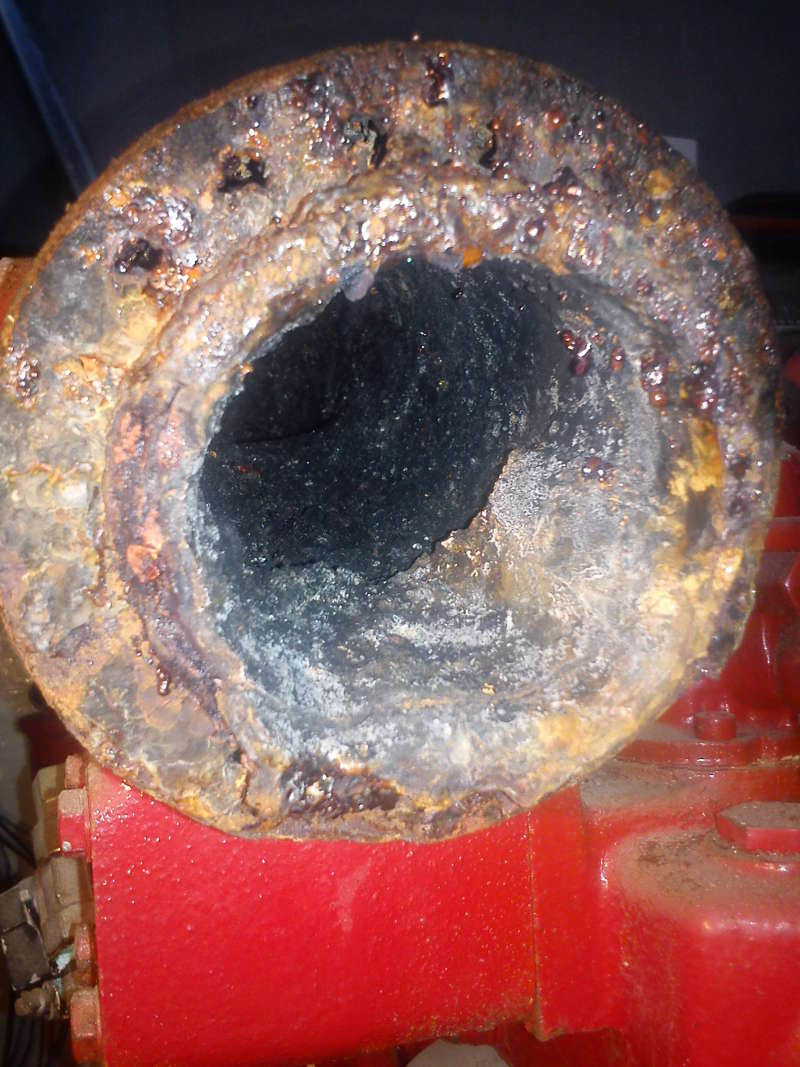
turbo-risers_1.jpg


removed the exhaust flexpipe thing, a bugger of a job, well stuck!
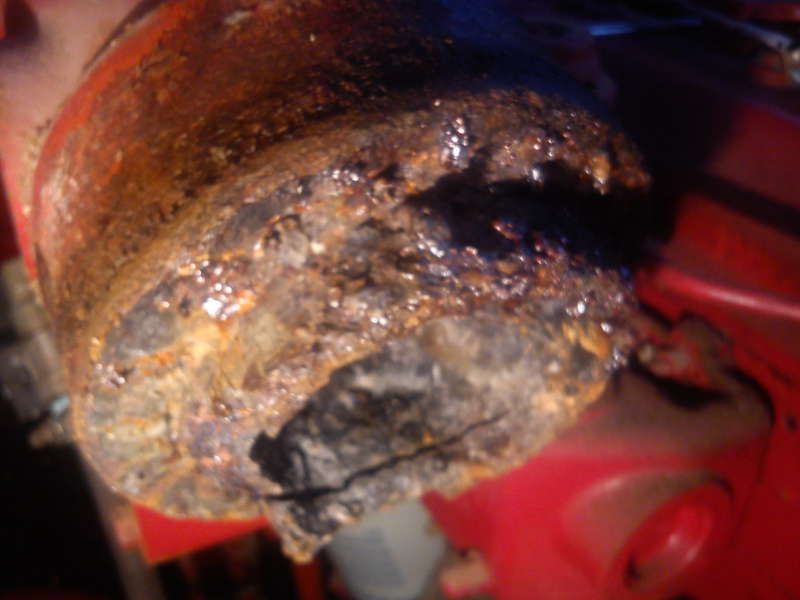
riser falling apart inside there, really awful condition...
turbo-risers_2.jpg

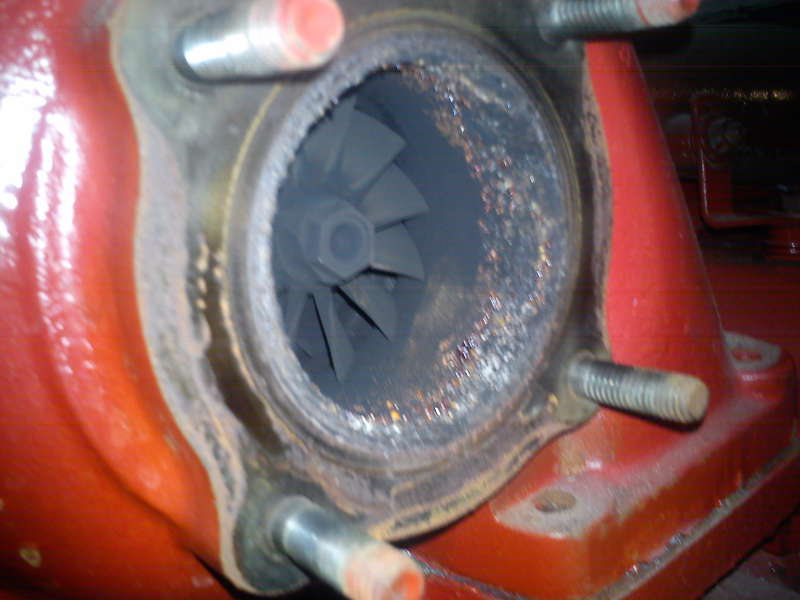
around 2/3s of the holes in the periphery blocked, pieces missing/falling apart when removed or slightly hit with a hammer, massive layup of rust on the inside. A true disaster :(

turbo-risers_3.jpg


turbo-risers_4.jpg

Took me two hours to figure out how/what to dismantle in order to get the riser and then the turbo out.
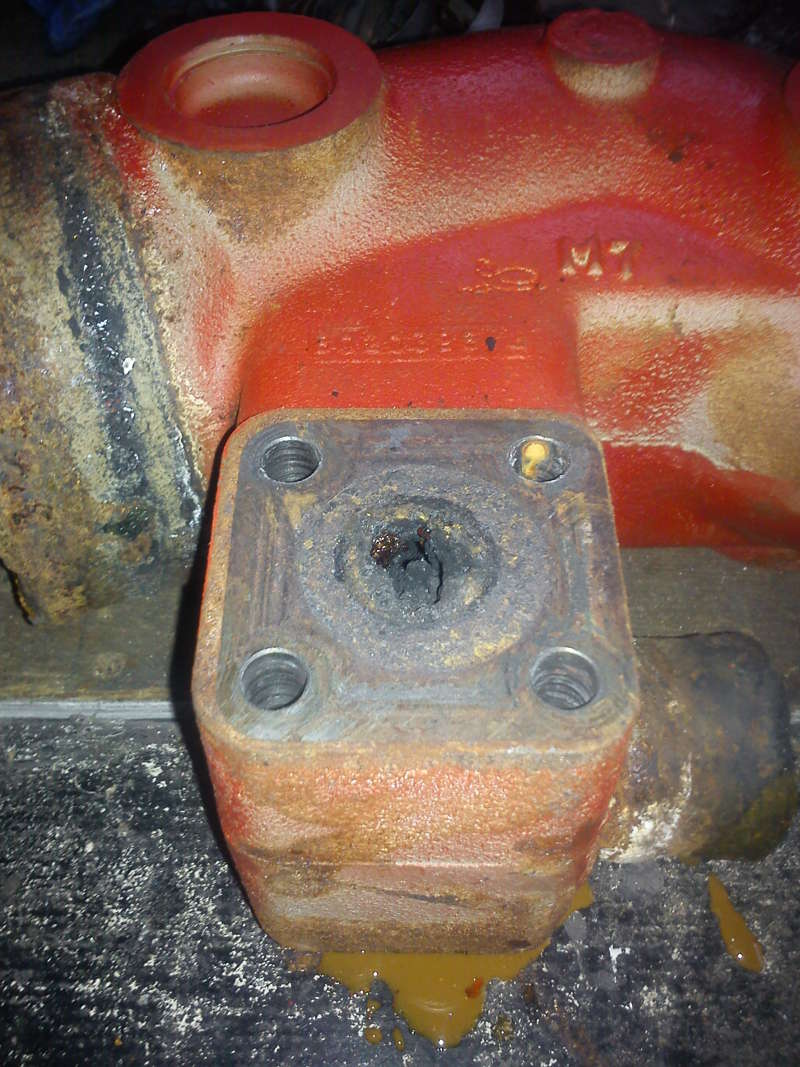
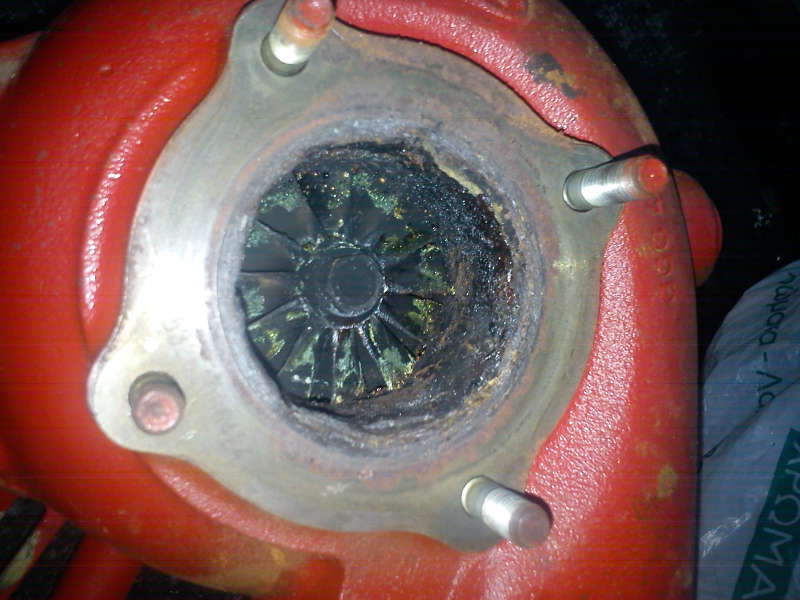
The exhaust part of the turbo is trully shot, was checking LS1 comments on the thread, will get it to be rebuilt by replacing the cast iron/blades back part of it.

turbo-risers_5.jpg

turbo-risers_6.jpg


the intake part of the stuck turbo is fine, definitely salvageable!
turbo-risers_7.jpg


Now, removed the stbrd riser as well, this took me half an hour max (without even bothering to lift the stbrd floor :D )

riser is better state, ok, not good but not falling apart that much... Could even take some hitting and scrapping without falling apart!
turbo-risers_8.jpg


turbo-risers_9.jpg


the exhaust part of the turbo looks okayish, pretty sure these clean with a bit of emery cloth (after carefully blocking the blades so that it doesn't get picked up in there...)
turbo-risers_10.jpg


so, turbo to be rebuilt and risers to be designed and fabricated.

Where's LS1 ? :D

Paul, any place I can order custom risers?

got almost 200mm above the turbo to the salon floor then a 1m (on port) and 1.5m (on stbrd) run of pipe to the side hull exits.

I'm tight on space regarding fitting these big barel jobs from Hallyard or the others. Would a 300mm drop over 1m considered safe?

looking fwrd to your comments!

cheers
 
turbo_side_elevation.jpg


Vas, one of the problems here is the location where the spent cooling seawater is injected into the exhaust. It's right after the turbo, and too close to the turbo. See picture above.

If you create a riser using new exhaust hose taken up to the ceiling in a U bend, and do nothing about the cooling water injection point, you will have injected cooling water before the highest point in the elbow and the water will run back to the turbo unless the gasses are blowing hard. That's no good. What you wanna do is have steel exh pipe up to the top of a new taller riser, THEN inject cooling water. That is a significant task to do - much easier for me to write on a forum than for you to make x2, and I dunno how much time or budget you have, but really it's gotta be done, erk. I mean like this (except I have drawn this with the existing elbows/risers left in place - much better solution would be to dispense with the old elbows/risers and have the new custom steel pipe flange directly bolted to the flange on the turbo housing):

mitosexh.jpg
 
Last edited:
Give Manuflex http://www.manuflex.co.uk/about/marine/ a call they are OEM suppliers to Sunseeker Fairline etc. Ask for Ian Mereweather, mail him your pictures and he will provide a bespoke solution which works.

Water cooled KKK turbine housings cost $$, however they are reasonably easy to salvage by machining out and fitting stainless sleeve which is a good robust fix. Unless blades have been milled by the corrosion turbine should clean up with vapour blast.

Good luck.
 
turbo_side_elevation.jpg


Vas, one of the problems here is the location where the spent cooling seawater is injected into the exhaust. It's right after the turbo, and too close to the turbo. See picture above.

If you create a riser using new exhaust hose taken up to the ceiling in a U bend, and do nothing about the cooling water injection point, you will have injected cooling water before the highest point in the elbow and the water will run back to the turbo unless the gasses are blowing hard. That's no good. What you wanna do is have steel exh pipe up to the top of a new taller riser, THEN inject cooling water. That is a significant task to do - much easier for me to write on a forum than for you to make x2, and I dunno how much time or budget you have, but really it's gotta be done, erk. I mean like this (except I have drawn this with the existing elbows/risers left in place - much better solution would be to dispense with the old elbows/risers and have the new custom steel pipe flange directly bolted to the flange on the turbo housing):

mitosexh.jpg

J,

sorry you misunderstood me!

What I mean is to fabricate (er, get someone to fabricate to be exact!) a SS riser with a spray head.
OFCOURSE the crappy cast riser will be scrapped. Look at this Halyard link for what I'm considering.
I'll try and contact them and see if they can do ones for my turbo once I figure out what turbos I have must be KKK (BorgWarner) K26 but to be confirmed (and at what cost...)
New turbo in the 1K region, may be able to salvage the aloy front part and bearing housing. The cast iron rear is gone.

I have v.good facilities down here, with water/laser jet serving the local industry that will cut easily 10-15mm thick 316 flanges and do all the other bits and bobs.
They also do tig welding (I assume that's what you need) as in my modified Fiat's 76mm downpipe. After all it IS a bleeding downpipe with a sleeve. Yes, I know got to be careful designing it, but I don't think it's exceptionally difficult. Apologies if it sounds insulting to some...

Currently re-reading the Cummins installation manual that Paul sent me last year for details on acceptable heights and deltas and will do some more measuring on the boat in the evening and report again.
 
Top