

You are using an out of date browser. It may not display this or other websites correctly.
You should upgrade or use an alternative browser.
You should upgrade or use an alternative browser.
Life jacket cylinder change
- Thread starter harvey38
- Start date

lustyd
Well-Known Member
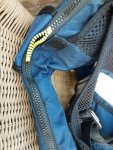
Zips are tucked in at the bottom you need to run it all the way around and back to reset the n put the Velcro over

Plum
Well-Known Member
When I was looking to buy new lifejackets I ruled out Kru ones because they did not supply repacking instructions. When I contacted them they said it was their policy not to supply instructions to the customer and all Kru LJ servicing had to be done by their agents. However, I just fund instructions in the internet (its a 73 page document that covers all the different models they sell) so hope this helps https://www.oceansafety.com/service...u-lifejacket-service-manual-2017-pdf/downloadI have two Kru life jackets that need their auto inflation mechanisms changing which isn't a problem but can anyone advise how I 'Knit' the zips up when they don't have a zip?
www.solocoastalsailing.co.uk

Martin_J
Well-Known Member
Full instructions are as Plum posted and as LustyD says.
It's likely a YKK Quickburst zip which you need to split open as if the lifejacket has self inflated from the quick burst section.. Then you run the zipper back to the start to re-zip it back up.
This might show it easier...
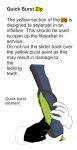
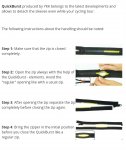
It's likely a YKK Quickburst zip which you need to split open as if the lifejacket has self inflated from the quick burst section.. Then you run the zipper back to the start to re-zip it back up.
This might show it easier...
harvey38
Well-Known Member
Ahh, thanks all, very much appreciated ? ?

PaulRainbow
Well-Known Member
I have two Kru life jackets that need their auto inflation mechanisms changing which isn't a problem but can anyone advise how I 'Knit' the zips up when they don't have a zip?
Why are you changing the cylinders ?
The cartridge needs to be replaced on a time basis, but the cylinder only needs to be replaced if it's a) been used, b) rusty or c) under weight.
The weight is stamped on the cylinder, if it is the correct weight, no need to change it.
Life jackets should be serviced anually, which includes inflating them with a dinghy pump and leaving them overnight. Now sounds like a good time to do yours.

Helidan
Well-Known Member
Good advice.Why are you changing the cylinders ?
The cartridge needs to be replaced on a time basis, but the cylinder only needs to be replaced if it's a) been used, b) rusty or c) under weight.
The weight is stamped on the cylinder, if it is the correct weight, no need to change it.
Life jackets should be serviced anually, which includes inflating them with a dinghy pump and leaving them overnight. Now sounds like a good time to do yours.
Careful inflating with a dingy pump, you don't want to overpressure the jacket. Usually only twin chamber SOLAS jackets have relief valves fitted.
lustyd
Well-Known Member
You can’t overpressure, there’s a pressure relief valve. If you don’t overpressure and test the valve you aren’t testing the LJ properly and a seam may well split on use.Good advice.
Careful inflating with a dingy pump, you don't want to overpressure the jacket. Usually only twin chamber SOLAS jackets have relief valves fitted.
Helidan
Well-Known Member
Sorry, that is wrong. Most leisure lifejackets do NOT have a relief valve. Relief valves are usually fitted to SOLAS/MED jackets which are normally only found in commercial applications.You can’t overpressure, there’s a pressure relief valve. If you don’t overpressure and test the valve you aren’t testing the LJ properly and a seam may well split on use.
lustyd
Well-Known Member
All of mine do, you can hear them release when the cylinder fires, which has slightly too much gas in order to ensure a full jacket. Otherwise they’d need to precisely match CO2 capacity and ambient temperature to bladder, which they obviously don’t.Sorry, that is wrong. Most leisure lifejackets do NOT have a relief valve. Relief valves are usually fitted to SOLAS/MED jackets which are normally only found in commercial applications.
Helidan
Well-Known Member
What make and model are they if you don't mind me asking.All of mine do, you can hear them release when the cylinder fires, which has slightly too much gas in order to ensure a full jacket. Otherwise they’d need to precisely match CO2 capacity and ambient temperature to bladder, which they obviously don’t.
lustyd
Well-Known Member
Various, we have Kru, Spinlock and Crewsaver off the top of my head
Plum
Well-Known Member
I have serviced both Spinlock and Crewsaver lifejackets and there was no sign of a pressure relief valve. Can you post a picture of one of your valves so I know what to look for, please.Various, we have Kru, Spinlock and Crewsaver off the top of my head
www.solocoastalsailing.co.uk
lustyd
Well-Known Member
The manual inflate has this built in. Try letting off one of your jackets, you'll see it in action.I have serviced both Spinlock and Crewsaver lifejackets and there was no sign of a pressure relief valve. Can you post a picture of one of your valves so I know what to look for, please.
www.solocoastalsailing.co.uk
Helidan
Well-Known Member
Post a picture, I service around 1000 jackets per year from a variety of manufactures. Never seen pressure relief on a leisure jacket.The manual inflate has this built in. Try letting off one of your jackets, you'll see it in action.
lustyd
Well-Known Member
If you've never seen the manual inflate tube you're doing a terrible job! Just try letting a jacket off while wearing it, you'll work it out quickly enough
Helidan
Well-Known Member
Now would you be referring to some twin chamber SOLAS jackets which often have a t-junction near the base of the oral tube with the short section containing a pressure relief valve? Btw, I work at an MCA approved liferaft and lifejacket service station.If you've never seen the manual inflate tube you're doing a terrible job! Just try letting a jacket off while wearing it, you'll work it out quickly enough
lustyd
Well-Known Member
Nope. Just try it. I have, so I know they over-inflate and release pressure. If you work where you say you do, I'd expect you to know this.
Helidan
Well-Known Member
Well I won't argue with you but I have access to many official servicing manuals and not one mentions this. From what you are saying I believe you may have incorrect size cylinders installed and the oral tube valves are actually leaking due to the excess pressure.Nope. Just try it. I have, so I know they over-inflate and release pressure. If you work where you say you do, I'd expect you to know this.
lustyd
Well-Known Member
Both were the manufacturer supplied cylinders (Crewsaver and Spinlock) so not the wrong size, especially given I replaced them and checked the manual and they were, in fact, correctly sized. Seriously, put one on and pull the cord.