rajjes
Well-Known Member
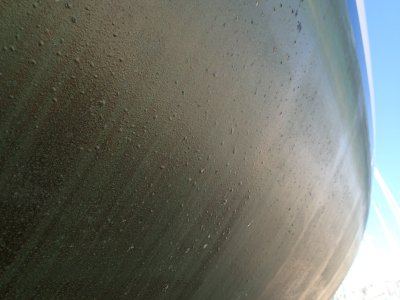
I have soda blasted my hull back to gelcoat which revealed many very small blisters which I sanded down and a few larger blisters which I grinded back to laminate and filled back after pressure washing regularly for 7 weeks.
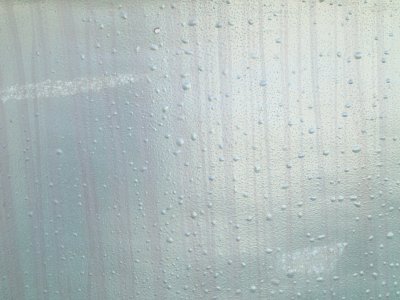
Despite 7 weeks since blasting the moisture readings are very high all over (70-90) and the yard guys are telling me absolutely not to gel shield as it will make the blisters return more aggressively.
They are suggesting applying a couple of coats of Primocon and antifoul to allow the hull to 'breathe'.
On the other hand, chatgpt says that in practice even on a wet hull, Gelshield would still improve the situation and slow down osmosis as the hull will not absorb more moisture.
Is this a case of AI hallucinating or should I really consider Gelshield on a wet hull?
Are there any real experiences of an epoxy barrier doing rapid damage on a wet hull?
I understand the 'no boat' ever sunk from Osmosis but I would like to do the best I can in the situation while I am back to a bare hull.
Boat is a 1984 Moody 36.
Appreciate any feedback!
D
Despite 7 weeks since blasting the moisture readings are very high all over (70-90) and the yard guys are telling me absolutely not to gel shield as it will make the blisters return more aggressively.
They are suggesting applying a couple of coats of Primocon and antifoul to allow the hull to 'breathe'.
On the other hand, chatgpt says that in practice even on a wet hull, Gelshield would still improve the situation and slow down osmosis as the hull will not absorb more moisture.
Is this a case of AI hallucinating or should I really consider Gelshield on a wet hull?
Are there any real experiences of an epoxy barrier doing rapid damage on a wet hull?
I understand the 'no boat' ever sunk from Osmosis but I would like to do the best I can in the situation while I am back to a bare hull.
Boat is a 1984 Moody 36.
Appreciate any feedback!
D