kingsebi
Well-Known Member
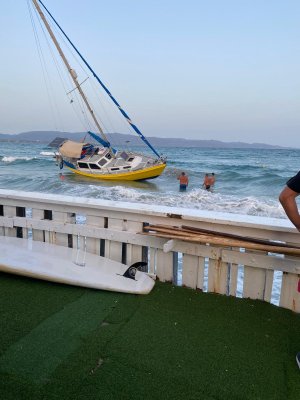
My boat got beached three years ago due to a windlass failure. Minimal damage. I think a bolt on keel wouldn’t have survived. Not an argument, just an anecdote.

Have you actually reviewed that list of 72 boats. Almost all race boats, many extreme swing keels, many with DIY modifications made to the original keel, and many having been previously damaged by groundings not repaired (at all or not properly).….
The ISAF started a review following the cheeky rafiki incident where they identified 72 yachts with keel failure and 25 deaths. They thought that was an under report as many more as often a sinking is very rapid with little chance to fire off a mayday or have one picked up.
….
Read what I actually wrote. Each reported event of a keel being damaged or becoming detached has an explanation - usually grounding or structural failure on racing boats. The video warrior claimed that they "fall off" as if this is common or normal, but does not offer even a theoretical reason never mind empirical evidence. He also ignores the many reported examples of failures of encapsulated keels because they don't fit his narrative. Not suggesting Kraken keels are likely to suffer such problems but encapsulated keels were dropped partly because of the difficulty of making them efficient as foils, partly because it was difficult to design and build a structure with internal ballast and of course the inevitable cost penalties. On the other hand I suspect that the more sophisticated fin keel structures found on some upmarket boats are at least as costly but more efficient.Whilst I have happily sailed many boats with bolt on keels, and my previous boat had a swing keel, it is not right for Trinona to constantly go one about their being no evidence of issues with bolt on keels.
Cheeki Rafiki Keel Failure - Marine Surveyor Study - IIMS
The ISAF started a review following the cheeky rafiki incident where they identified 72 yachts with keel failure and 25 deaths. They thought that was an under report as many more as often a sinking is very rapid with little chance to fire off a mayday or have one picked up.
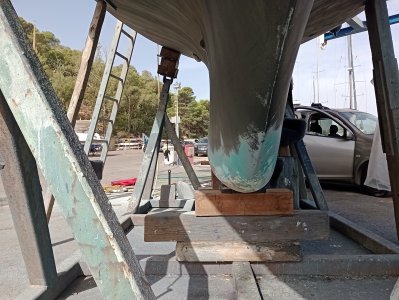
I follow a marine surveyor, ben sutcliffe, on youtubewho sees many damaged fin keels. Very good video here on the issues caused by groundings.
It is clearly a vulnerable area and not right just to wave away. However whether worth paying for a Kraken or just taking good care of a well engineered bolt on keel boat is entirely up to you.
Can you guide me to the many reported failures of encapsulated keels.Read what I actually wrote. Each reported event of a keel being damaged or becoming detached has an explanation - usually grounding or structural failure on racing boats. The video warrior claimed that they "fall off" as if this is common or normal, but does not offer even a theoretical reason never mind empirical evidence. He also ignores the many reported examples of failures of encapsulated keels because they don't fit his narrative. Not suggesting Kraken keels are likely to suffer such problems but encapsulated keels were dropped partly because of the difficulty of making them efficient as foils, partly because it was difficult to design and build a structure with internal ballast and of course the inevitable cost penalties. On the other hand I suspect that the more sophisticated fin keel structures found on some upmarket boats are at least as costly but more efficient.

Where you using the windlass to hold the chain rather than a cleat whilst at anchor ?My boat got beached three years ago due to a windlass failure. Minimal damage. I think a bolt on keel wouldn’t have survived. Not an argument, just an anecdote.

It was my fault of course. Not proud of it. I had the diesel bug and was cleaning out the tank. Went ashore with two jerrycans to get fresh diesel. Didn’t secure the chain with a rope because I thought I’d only be away for so long. Met a friend in the port and had a drink. Marinero came around and said: „Hey man, your boat is on the beach!“ I took two steps from the table and saw the boat stranded half a kilometer down the beach. Started running… Took almost 24 hours to find a fisherman that towed the boat off. A nightmare. Now I always use a long nylon snubber and a second short one for extra security.Where you using the windlass to hold the chain rather than a cleat whilst at anchor ?
At that price I’d prefer a BorealI have to admit, if I could afford (which I can't) a Kraken it would be near the top of my short list.

Or one Jeanneau on each continent and plane tickets for lifeAt that price I’d prefer a Boreal

Yes. Personal experience - and I hate to say it on a boat I built myself! You don't find reports like the fin keel losses because they are different and nowhere near as dramatic so the boats just get fixed and carry on. Typical failures come from collisions breaking the GRP skin and allowing water in; from abrasion (as in my case the owner failing to replace the protective shoe on a boat that was on a drying mooring); failures of internal structure or built in tanks allowing water to enter the ballast (early HRs particularly bad!); splitting of the join between 2 halves of the hull; voids in the layup of the hull around the turn of the bilge into the keel trough resulting in cracks allowing water in. All this is particularly bad if as is common the ballast is iron - bar , pigs casting steel punchings mostly set in resin, resin paste or concrete, not so bad if lead is used. I have seen examples of all of these over the years.Can you guide me to the many reported failures of encapsulated keels.
After my incident I had water seeping into the iron ballast. At the next haul out I drilled holes, dried it out and closed the holes with hard wood pins and epoxy.Yes. Personal experience - and I hate to say it on a boat I built myself! You don't find reports like the fin keel losses because they are different and nowhere near as dramatic so the boats just get fixed and carry on. Typical failures come from collisions breaking the GRP skin and allowing water in; from abrasion (as in my case the owner failing to replace the protective shoe on a boat that was on a drying mooring); failures of internal structure or built in tanks allowing water to enter the ballast (early HRs particularly bad!); splitting of the join between 2 halves of the hull; voids in the layup of the hull around the turn of the bilge into the keel trough resulting in cracks allowing water in. All this is particularly bad if as is common the ballast is iron - bar , pigs casting steel punchings mostly set in resin, resin paste or concrete, not so bad if lead is used. I have seen examples of all of these over the years.
Those of us who were around boat building in the 70s and 80s will know about the challenges of designing and building with internal ballast and the limits it placed on design. Sort of OK if you are building copies of wooden long keel designs like the Nic 32 and cost was no object, nor weight an issue or low cost straight bilge keels like the boat I built. However once designers started to improve sailing performance, learning from racers and canoe body fin keels with separate rudders (with or without skeg) became popular new challenges arose, mainly finding a foundry that could reliably cast keels in the shape that designers wanted. This change happened at the beginning of the 1970s and although it took a few years to really get sorted it was the death knell for full keels and encapsulated ballast. Tumblehome going out of fashion in the 80s resulted in split hull moulds (almost essential for old style internal ballast) also going out of fashion.
I think the problem with this debate is that the proponents of encapsulated ballast are stuck in the debates of the 1980s when you could argue that bolt on fin keels were a backward step, partly rolled up with the distortions of hull design under the IOR rules. I own an encapsulated keel boat from the 70s and if buying at the time, as indeed I might have done I would be very wary of the newer fin keel boats with their poor quality castings, inadequate attachment and dodgy internal load spreading structures. But the world is different today and most of the issues with fin keels were solved 30 years ago - not totally but in terms of sailing loads rather than collision. The designs of the last 15 years or so since the introduction of the latest standards are in a different league. However because it does not fit the narrative detractors like this guy ignore it, as do those stuck in the past who will never be in a position to buy a modern boat.


Wow. Expensive lesson. We don’t even stop for lunch on board without putting our “lunch hook” on to take the chain strain.It was my fault of course. Not proud of it. I had the diesel bug and was cleaning out the tank. Went ashore with two jerrycans to get fresh diesel. Didn’t secure the chain with a rope because I thought I’d only be away for so long. Met a friend in the port and had a drink. Marinero came around and said: „Hey man, your boat is on the beach!“ I took two steps from the table and saw the boat stranded half a kilometer down the beach. Started running… Took almost 24 hours to find a fisherman that towed the boat off. A nightmare. Now I always use a long nylon snubber and a second short one for extra security.
Not really, it’s different types of engineering. The X Yachts keel bolted to a steel subframe is almost certainly a lot stronger than an “encapsulated keel”. Look at the Oyster failure.Two sorts of people....those that accept something that is sufficiently engineered for the task....and those who believe in over engineering. By definition, over engineering makes no sense.....but it might give a warm fuzzy sense of security
Yes, learned my lesson I guess.Wow. Expensive lesson. We don’t even stop for lunch on board without putting our “lunch hook” on to take the chain strain.
Going ashore it is the snubber plus the lunch hook.
I‘m doing camel hitches now.Wow. Expensive lesson. We don’t even stop for lunch on board without putting our “lunch hook” on to take the chain strain.
Going ashore it is the snubber plus the lunch hook.