Help with outboard choice for yacht, please.

StUrrock

Well-Known Member
Joined
1 Nov 2009
Messages
139
Location
Bedfordshire
Visit site
Having had an old Hurley 30/90 heavyweight we decided for a change for something lighter for more day sails and overnighters, rather than the longer rips.

We stumbled across and purchased a Tide 28 and she sails well, but needs a new outboard. However having read to so many threads re the choice of outboard on the transoms of yachts that now my head is spinning. Would really appreciate some tips and knowledge specific to our situation.

Motoring in a straight line the current 2007 Tohatsu 9.8 2 stoke pushes her along well, although cavitation is always an issue in any swell with the cavitation plate being only 1 inch below the surface.

In marinas the engine is a nightmare and embarrassing, and that's coming from an ex long keel owner!

I steer with the engine but it takes ages for the propellor to bite and in astern at certain higher revs we just get a shaft of water shooting up vertically! With moderate wind or tide against and even when using the engine to steer we cannot generate enough speed in a tight space to make the turn, and astern we cannot build up any meaningful speed at all.

It seems the current set up has a 4 blade high thrust prop.

Currently we have two candidates and think a longer shaft will help with bite in the Marina and staying in the water in swells. But our open transom height is low, so do not wan to drown a long shaft. Should we go for 20 or 25 inch?

Yamaha FT9.9LEPL 9.9HP High Thrust Long Shaft Outboard
This Yamaha has a gear ratio of gear ratio: 2.92 (38/13), would this make lower speed handling more predictable? Looks a great engine.

or
SALE!! 9.8HP Tohatsu SAIL DRIVE Extra Long 25
This Tohatsu seems to fit the bill , but the gear ratio is Gear Ratio 2.08:1 so not as torqy at lower speeds? Tohatsu make a 6hp with a slightly higher ratio, but think this would leave is underpowered.

Many thanks for your help and sorry for my outboard ignorance. Picture shows the arrangement but the cover is on the engine.
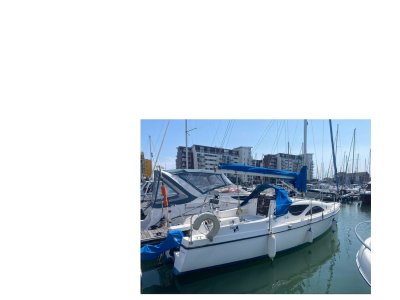
side view.jpg
 
That looks like a long shaft rather than extra long. The 20" is from the top of the mounting board to the waterline and your current measurements of 1" for the cavitation plate below the waterline sounds right. The extra long is normally used when the transom mount is higher to improve access to the powerhead and controls if you don't have remotes. Extra immersed depth does of course reduce the chances of the prop coming out of the water but can cause back pressure problems with the exhaust.

You are right, the greater reduction ratio (slower shaft speed) is better as it allows a larger diameter flatter pitch prop and the Yamaha seems to have a larger propeller and maybe higher thrust at low speeds. Big price difference though!
 
Thank you all for replying, looks like the 20inch Yamaha is the way to go as it seems it will give better slow speed control ahead and astern.

Think the 25”” would be too cumbersome for the low mount we have.

Looks like the pension fund is about to get a battering, but hey my first every brand new boat engine!!

Any Yamaha dealers/fitters near Ramsgate Kent?
 
If you only have 1" of water above the cavitation plate with the long leg you need an extra long. Back pressure from the exhaust being immersed was more of an issue with 2 strokes, less so with 4. The extra long leg 10hp engines available today are Tohatsu, Honda and Selva. Yamaha used to make one, discontinued it a while ago, but it seems to be back. Yamaha is the Rolls Royce, heavy and expensive but very well made. Tohatsu good. I vowed never Honda again after having one of their 2.3 pieces of junk. Selva much lighter but much less known in the UK. I had a Yamaha 9.9 and a Tohatsu 9.8 for years. Both good and marina manoeuvring was never a problem. Electric start and charging output are worthwhile extras.
 
Having owned a 28 ft with an open transom and a 2str long shaft twin, my two jots worth.
Manoeuvring with the right engine should be an absolute doddle.
Once you learn to grasp the outboard tiller in one hand and your boats tiller or tiller extension in the other you should be able to make that boat go absolutely anywhere .
Does your boat have a lifting keel or centreboard ? Try manoeuvring with it lowered a bit to stop windage blowing the front end around in a cross wind berthing situation.

As to which model motor : some good advice offered above . Japanese, 10hp not 6, a long shaft with leccy start /charging, preferably Yamaha
“Sail drive” is the clue.
But who has the best current deal? I’ve owned a tohatsu and a Suzuki and they were great . And an American one Evinrude that was inferior in its build and design life imho.
10hp will push you against strong ebb when entering harbour , a 6 hp with a headwind may not .
 
If you only have 1" of water above the cavitation plate with the long leg you need an extra long. Back pressure from the exhaust being immersed was more of an issue with 2 strokes, less so with 4. The extra long leg 10hp engines available today are Tohatsu, Honda and Selva. Yamaha used to make one, discontinued it a while ago, but it seems to be back. Yamaha is the Rolls Royce, heavy and expensive but very well made. Tohatsu good. I vowed never Honda again after having one of their 2.3 pieces of junk. Selva much lighter but much less known in the UK. I had a Yamaha 9.9 and a Tohatsu 9.8 for years. Both good and marina manoeuvring was never a problem. Electric start and charging output are worthwhile extras.
Thank you, do you think our poor manoeuvring, coming to a stop and slow speed pick up in the marina will improve with the extra long leg?
on either a new Yamaha (better gearing and bigger prop) or the new Tohatsu?
With our transom arrangement will the extra long leg clear the water?
 
Having owned a 28 ft with an open transom and a 2str long shaft twin, my two jots worth.
Manoeuvring with the right engine should be an absolute doddle.
Once you learn to grasp the outboard tiller in one hand and your boats tiller or tiller extension in the other you should be able to make that boat go absolutely anywhere .
Does your boat have a lifting keel or centreboard ? Try manoeuvring with it lowered a bit to stop windage blowing the front end around in a cross wind berthing situation.

As to which model motor : some good advice offered above . Japanese, 10hp not 6, a long shaft with leccy start /charging, preferably Yamaha
“Sail drive” is the clue.
But who has the best current deal? I’ve owned a tohatsu and a Suzuki and they were great . And an American one Evinrude that was inferior in its build and design life imho.
10hp will push you against strong ebb when entering harbour , a 6 hp with a headwind may not .
Many thanks, we always have the fin keel down( with heavy lead bulb) our current engine goes astern so slowly that without aid of wind or tide no steering is possible backwards.
Again moving forward speed and steerage take so long to take effect and that moving in tight spaces is virtually impossible.
 
Have you considered altering an outboard motor to fit your boat? I added a 'section' onto an outboard to make it an extra long shaft to avoid cavitation. Most manufacturers have a short shaft, or a long shaft variant. The difference is that they add a section below the short shaft of about 15cms/6", and a different drive shaft. This will entail 'you' buying the section for a long shaft, and having a machinist extend the drive shaft. I've done this, and it wasn't expensive to find the extra piece on ebay, and the machining was a few quid; <£50 IIRC.

IMG_20170619_162259 (1).jpg
 
Many thanks, we always have the fin keel down( with heavy lead bulb) our current engine goes astern so slowly that without aid of wind or tide no steering is possible backwards.
Again moving forward speed and steerage take so long to take effect and that moving in tight spaces is virtually impossible.
We find having the motor and rudder linked is key to this. We’ve had boats without it, its definitely much easier. A remote gear/throttle is also a marvel.
 
We have also swapped out our prop for an ultra low pitch, zero camber, high blade area job from Polastorm. We don’t care that top speed under engine has probably taken a hit. We have the grunt to move the boat into the wind, and to push the bow up there if needed. Zero camber is better in reverse, this is certainly borne out in use. The crockery makes a noise if we stop hard now, which it rarely does when sailing, We really do have some brakes. I confess I used that yesterday, a fun race had engines off at 1 min before start. I was able to stop the boat in the water, just shy of the line, against 6kn of wind with the sails up and trimmed. That is a testament when you have 600sq ft of fully battened laminate sails on a 13.5 metre mast.
 
If you only have 1" of water above the cavitation plate with the long leg you need an extra long. Back pressure from the exhaust being immersed was more of an issue with 2 strokes, less so with 4. The extra long leg 10hp engines available today are Tohatsu, Honda and Selva. Yamaha used to make one, discontinued it a while ago, but it seems to be back. Yamaha is the Rolls Royce, heavy and expensive but very well made. Tohatsu good. I vowed never Honda again after having one of their 2.3 pieces of junk. Selva much lighter but much less known in the UK. I had a Yamaha 9.9 and a Tohatsu 9.8 for years. Both good and marina manoeuvring was never a problem. Electric start and charging output are worthwhile extras.
The small Honda always seem to have problems according to the forum. When you go above 9hp they are fine it would seem. I'm now on my third Honda 30. I replace them as i dont want to muck around mid channel ! They last about 16 years and then things wear out. Mine have never broken down apart from mainly dirty fuel causing carb problems. I have run them for around 24 hours, swapping over fuel tanks heading west when no wind. Just do a service once a year.
 
We find having the motor and rudder linked is key to this. We’ve had boats without it, its definitely much easier. A remote gear/throttle is also a marvel.
Not possible on the OPs boat (or easy). The photo clearly shows it has wheel steering. Worst of all worlds. Prop behind the rudder on a high windage forward boat. Never really designed with motoring in mind.
 
Not possible on the OPs boat (or easy). The photo clearly shows it has wheel steering. Worst of all worlds. Prop behind the rudder on a high windage forward boat. Never really designed with motoring in mind.
Not financially possible… assuming his steering isn’t hydraulic. Certainly that setup is going to be a pig. The windage on ours is something to behold, but we have strategies. Worst case we can just drag the transom to a pontoon with the engine, step off and warp her into position. It’s usually easier than that of course.
 
Thank you, do you think our poor manoeuvring, coming to a stop and slow speed pick up in the marina will improve with the extra long leg?
on either a new Yamaha (better gearing and bigger prop) or the new Tohatsu?
With our transom arrangement will the extra long leg clear the water?

Still not great manoeuvring without a steerable engine. Stopping and starting I predict would be much better.

I expect so. Both of mine did. A dealer will probably be able to advise better than I can.
 
Last edited:
Most manufacturers have a short shaft, or a long shaft variant. The difference is that they add a section below the short shaft of about 15cms/6", and a different drive shaft. This will entail 'you' buying the section for a long shaft, and having a machinist extend the drive shaft.
Gear shift rod needs extending as well, but not difficult.
 
Not financially possible… assuming his steering isn’t hydraulic. Certainly that setup is going to be a pig. The windage on ours is something to behold, but we have strategies. Worst case we can just drag the transom to a pontoon with the engine, step off and warp her into position. It’s usually easier than that of course.
Our steering can be connected by wire to the outboard. If I can get enough speed up currently I fix the wheel amid ships and steer with tiller handle if the engine when going astern. Feel if the engine had a better grip in the water at lower speeds this would be our preferred method of steering astern.
 
If you can connect the motor to the steering, it should just be a matter of a little practice. That really will make a world of difference. Also, most 28ft boats these days have more than 10hp. Ours probably originally came with a 9.9, but nearly all are now running 15hp. I would guess your displacement is more than ours, that’s more mass to start and stop, though be grateful you don’t have 3 hulls for windage🤣
 
Top