Bouba
Well-Known Member
So…you have a boat…you have a diesel engine…the only superfluous things are the sails…why do you need them ?


In those days I had a 27ft tri with an 8hp Nissan 2 stroke. The trip ended with a 40kn line squall. And my ears were still ringing from the engine the following morning.If you had a petrol powered outboard instead of an electric one it would have only been 9 hours. ;-)
We could say that yours us short of a mast and sails. Think of the fuel saving. And not having to refuel or recharge. We still love stink boats though, they’re such a good fit for rafting for us tri sailors. Plus of course, we have a RIB, so it would be a bit hypocritical to bang on.So…you have a boat…you have a diesel engine…the only superfluous things are the sails…why do you need them ?


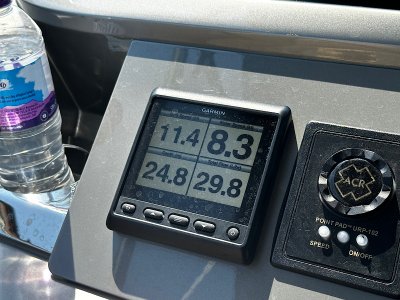
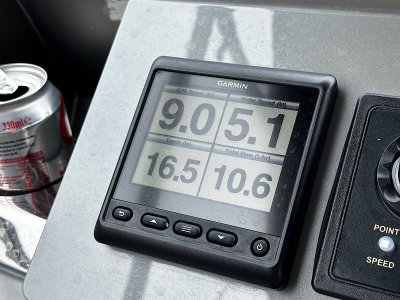
I tend to either run tick over on good spring tides or 25 - 30 ltrs / hr to give about 8 knots plus tide. As a former man of wind you will also keep an eye on nature’s bounty when out on the water. In fairness the Solent is really easy Based on Portsmouth tides.Impressive figures Henry. Still surprises me on our little boat the difference in sense of speed between 5 knots and 8 knots.
 fuel berths can get crowded enough in summer without lots of E boats on them.
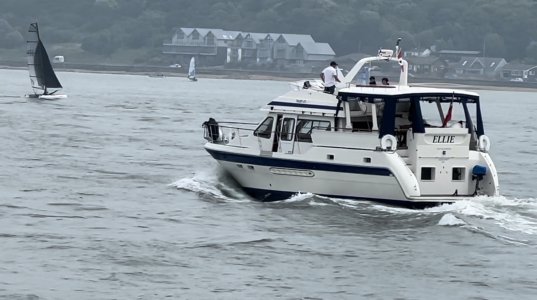
It was more of an observation of how much extra power is needed to push from 5 knots to 8, judging by the wake anyway. But yes,being a former man of wind, I try and go with the tideI tend to either run tick over on good spring tides or 25 - 30 ltrs / hr to give about 8 knots plus tide. As a former man of wind you will also keep an eye on nature’s bounty when out on the water. In fairness the Solent is really easy Based on Portsmouth tides.
8 knots plus 2 or 3 knots of tide is a decent speed.


Yes. Tickover will always be the most efficient, betond that you’re going downhill. You cn feel when the hull is pushing a wall of water. With the F55 I find it more numb in terms of hull feedback so you have to use fuel burn as your sensor.It was more of an observation of how much extra power is needed to push from 5 knots to 8, judging by the wake anyway. But yes,being a former man of wind, I try and go with the tide
New bigger boats will become hard to sell, that’l“ be the supposedly planet saving result. People driving slower, we notice that already. Our sailing races are less disrupted with wake. Basically I think the future with new boats is small, ultra light expensive electric hydrofoils, and bigger boats with more efficient displacement hulls.Yes. Tickover will always be the most efficient, betond that you’re going downhill. You cn feel when the hull is pushing a wall of water. With the F55 I find it more numb in terms of hull feedback so you have to use fuel burn as your sensor.
Given the numbers involved I’m not to £5 or £10 an hour so settle at Circa 30 ltrs an hour. You do see some boats pushing an uncomfortable bow wake though, it just looks inefficient. There was a Trader? which looked like it was moving a wall of water, may just have been the hull design?
Anyway I don’t want to Hijack the thread but in terms of saving the planet through electricity when it comes to boats slow displacement doesn‘t use much diesel and electricity can’t do high speed over distance. Its like hybrid SUV’s a total waste of time given their electrical range of very few miles offset against heavy and expensive electrical hardware.
Not sure I agree with you there. People still want to travel with friends and enjoy a decent quality of life on board when they arrive. You can’t do that in a lightweight hydrofoil boat.New bigger boats will become hard to sell, that’l“ be the supposedly planet saving result. People driving slower, we notice that already. Our sailing races are less disrupted with wake. Basically I think the future with new boats is small, ultra light expensive electric hydrofoils, and bigger boats with more efficient displacement hulls.
The solution to parking boats is monohullsThe solution to larger boats is probably catamaran hulls.

Motor cats don’t need to be wide beam. Raggies do that for stability under sail. Our tri gets around it by folding to mono dimensions, maybe thats a design possibility.The solution to parking boats is monohulls
Cats are taking up all our parking spaces in the Med

Which is nothing new, as this had this technology presented in 2008.Propulsion does not need diesel. It can move on battery power alone. Not very fast or very far but it can do it.

They will exploit the smugness feeling as Tesla did and still do .Produce a E Boat .Likely usage smaller trips .But if a lot of old fashioned diesel punters like Henry’s Priny have downsized there range ( D speed + tides + WE charters staying within 50 miles of home port ) anyhow then the switch to full EBoat will be seamless .50-75 ft full comfort as now .Which is nothing new, as this had this technology presented in 2008.
New Model: Mochi 23 Long Range
But the way the inventor of this thing is Frabetti who was Ferretti Group Head of Engineering Department from the early nineties till about 2012.
He also had a cooperation with MTU to make off the shelf hybrid units in between 2015 to 18, after which he joined Sunseeker first as head of design, the COO and since 2020 is the CEO.

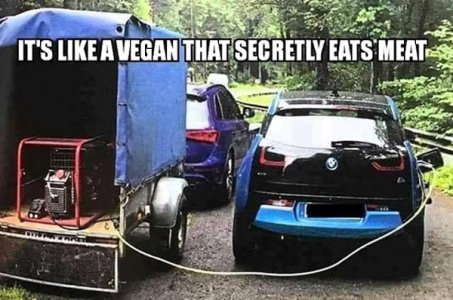


They might be available soon for urban, short range use, but a long way off for any significant distance, and at considerably more cost than a conventional diesel. Hydrogen will start to emerge once the cost of making and storing H2 comes down. Synth fuels are emerging, but some years away yet.They are here now…the introduction will be slow then pick up matching the electric car experience
Exotic liquid fuels might come in the future…but I wouldn’t expect a rapid uptake in marinas..and what if some marinas just did a switch to exotic fuels from diesel…it might prove too much for many marinas to keep a large variety of fuels available..especially if some require special handlingThey might be available soon for urban, short range use, but a long way off for any significant distance, and at considerably more cost than a conventional diesel. Hydrogen will start to emerge once the cost of making and storing H2 comes down. Synth fuels are emerging, but some years away yet.

I used to run my Citroen CX on 100% bio-diesel made from rapeseed back in 1995 or so in Munich. 0% fossil fuel content. Most of the cars filling up at the place I used were Mercedes Taxis.They might be available soon for urban, short range use, but a long way off for any significant distance, and at considerably more cost than a conventional diesel. Hydrogen will start to emerge once the cost of making and storing H2 comes down. Synth fuels are emerging, but some years away yet.