mjcp
Well-Known Member
It used to be easy - there was a brown thing that came out of it...For a yachtsman, ... finding the entrance to Cowes.
But they have painted the ferry red and white now


It used to be easy - there was a brown thing that came out of it...For a yachtsman, ... finding the entrance to Cowes.

So does it indicate safe water?It used to be easy - there was a brown thing that came out of it...
But they have painted the ferry red and white now
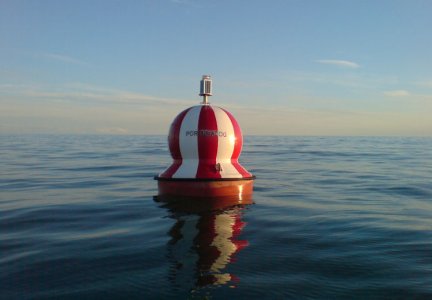

So does it indicate safe water?View attachment 210106
Actually, one of the hardest buoys to spot that I know is Pye End, the safe water buoy marking the way into Hamford Water!Which raises the point that moving bouyage is far easier, far more effective and far harder to catch a culprit than spoofing/jamming could ever be.
Maybe we should all fret about that, or does that not provide an excuse to buy cool new tech?

From memory, coming from seaward, line up the lower lighthouse on the beach with the white house with two gables. Before my first singlehanded cruise in 1970 I memorised the directions given by Jack Coote in “East Coast Rivers”.Actually, one of the hardest buoys to spot that I know is Pye End, the safe water buoy marking the way into Hamford Water!
But you make a good point; physical infrastructure is much harder to disrupt than electronic !
Im usually coming from the north, and Pye End disappears against the Naze.From memory, coming from seaward, line up the lower lighthouse on the beach with the white house with two gables. Before my first singlehanded cruise in 1970 I memorised the directions given by Jack Coote in “East Coast Rivers”.
From Harwich, a mile SSW from Cliff Foot!

Quite so, this is an extract from an Admiralty paper I found some years ago entitled "NAVWAR – NAVIGATION WARFARE AND GNSS DENIAL/DEGRADATION"Which raises the point that moving bouyage is far easier, far more effective and far harder to catch a culprit than spoofing/jamming could ever be.

Most cruise missiles are GNSS guided. They are hardened against EW with inertial guidance, and some of them have machine vision guidance -- TERCOM and DSMAC -- but it's SOP to defend against missiles with GNSS jamming and other interference.The real threat for us are missiles realistically and those don’t have much dependency on GNSS at all, nor do the bad ones need to be accurate.