Arctic- what 40-45' yacht?

The Arctic Pilot is a very helpful book, as is the Mariner’s Handbook. I don’t suppose the background chapters on the flora and fauna and on survival techniques change very much over the decades. It did surprise me in one respect. It discusses the Arctic Willow at some length. I set out to find this interesting shrub expecting to see something that grew to a height of some inches, perhaps a foot or so. Then I noticed that I was standing on the plant I was looking for! Six inches is a very good height, three inches is common!

https://en.wikipedia.org/wiki/Salix_arctica
 
The Arctic Pilot is a very helpful book, as is the Mariner’s Handbook. I don’t suppose the background chapters on the flora and fauna and on survival techniques change very much over the decades. It did surprise me in one respect. It discusses the Arctic Willow at some length. I set out to find this interesting shrub expecting to see something that grew to a height of some inches, perhaps a foot or so. Then I noticed that I was standing on the plant I was looking for! Six inches is a very good height, three inches is common!

https://en.wikipedia.org/wiki/Salix_arctica
Yes, it's tiny! I came across it in Greenland (at Kangerlussuaq - the old Sondre Stomfjord). It isn't much in evidence in Svalbard, at least not in the areas I've been in (Billefjorden and Gronfjorden on land; I think you only get the willow in the southern parts of VestSpitzbergen). But when you realize that the stuff that's around your ankles is a tree, you realize how precarious life is in those climes.

While in Greenland, another thing I found quite amazing was the prevalence of glacier-polished rock outcrops. Imagine rock polished like the fromt of a bank extending over tens of metres, with some deeper scrtatches showing which way the ice had moved. Something like that brings home how recently all that land was under ice - the polish is very epemeral on a geological time-scale.
 
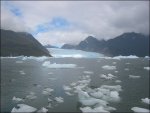
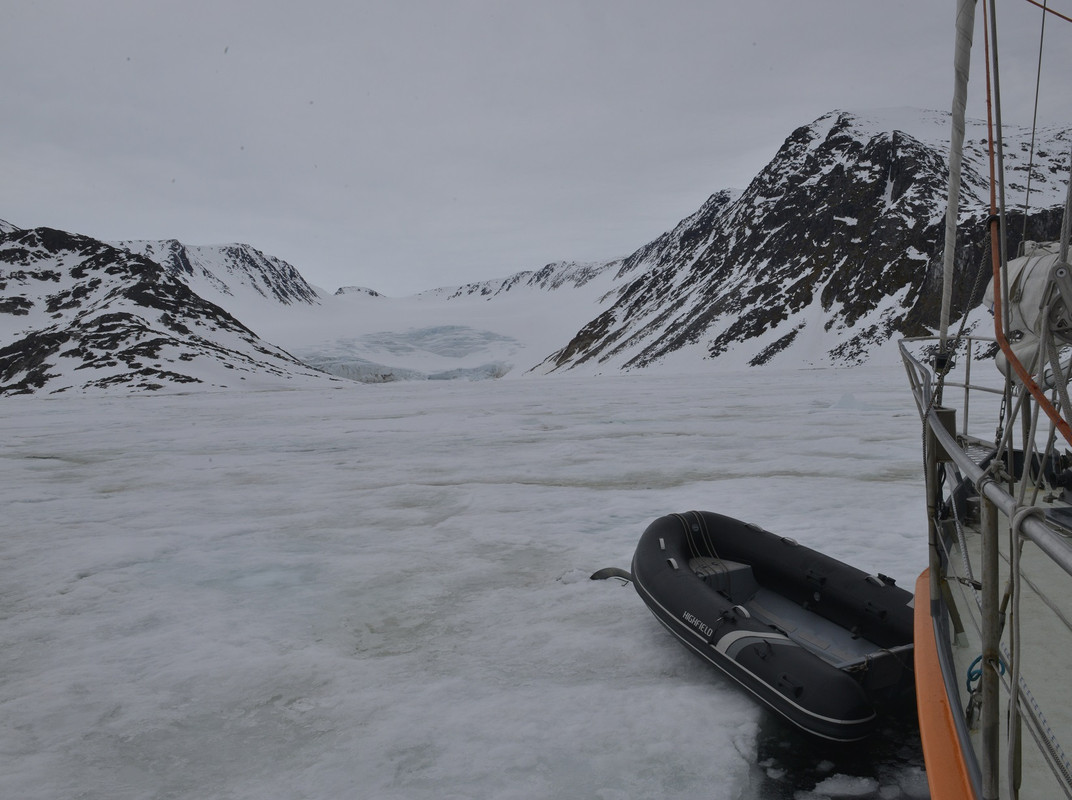
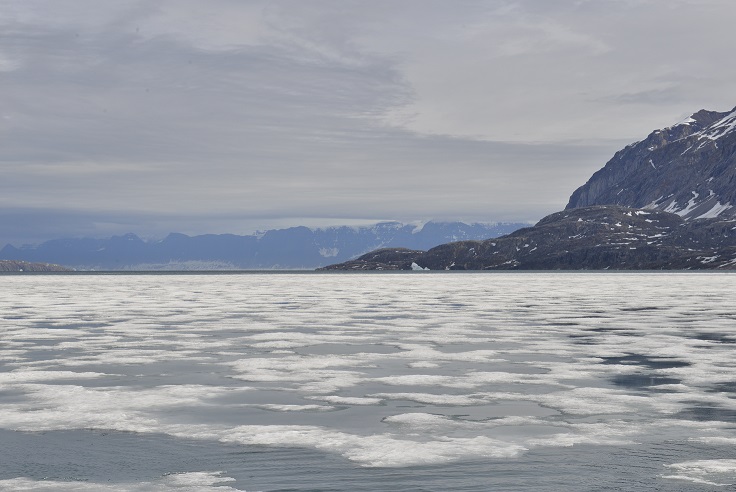
While I appreciate the advantages of an encapsulated keel for other reasons, it probably isn't relevant to the dangers of ice. A lump of ice deep enough to interfere with the keel of a sailing boat is big enough to be readily visible and avoidable, and it is extremely dangerous to get close to ice of that sort of size; small bergs can overturn without warning, posing serious risks to any form of construction. The reasons for preferring metal construction are resistance to constant impact with small lumps of ice - pieces less than a metre across, mainly. Anything as deep as a metre or so should be avoided like the plague, as you're probably looking at something at least as heavy as a yacht with the potential for sudden overturning. Having seen icebergs overturning, I can assure you that you don't want to be anywhere near them! This photo shows the range of things encountered
View attachment 80351

PS: - remember that there's a LOT more ice below the surface than above!

PPS. - The white streak on the water below the mountains on the right hand side of the image is a raft of the sort of rubble ice that is difficult to avoid. The rest are all of sizes that are best avoided.

I can only bow to your obvious expertise on the subject of ice riddled waters. I would still favour an encapsulated keel regardless of the conditions you've have skilfully explained. It just removes a worry lurking in ones subconscious.
 
I remember reading of an account of a couple of sailors who had gone ashore, and then noticed a polar bear had appeared between them and their boat or dinghy (and presumably gun) and taking an interest in them. They stood side by side with their arms around each others' shoulders, to make themselves look like one bigger being, and jumped up and down flapping their arms around.

They lived to tell the tale, but you wouldn't want to bank on it working every time. :eek:
 
An increasing number of GRP boats visits the Svalbard and Greenland area. There are places you can go with GRP and there are places you cannot go. I have sailed that area several times. One place you should definitely visit the Jan Mayen island.

In this topic comparisons are made between artctic and antarctic explorations. Those are two completely different worlds with totally different circumstances and requirements. The (Atlantic) arctic can on occasion (during summer) be relatively benign whereas the antarctic more often is brutally wild and harsh. During summer the arctic high pressure zone creates an environment with on occasion little or no wind that may require a lot of motoring. In the antarctic southern ocean there is no need to worry about lack of wind as there is lots and lots of it.

Poolepynten is one of my favorite areas in Svalbard and accessible with GRP.

Lo-Res-Poolepynten.jpg


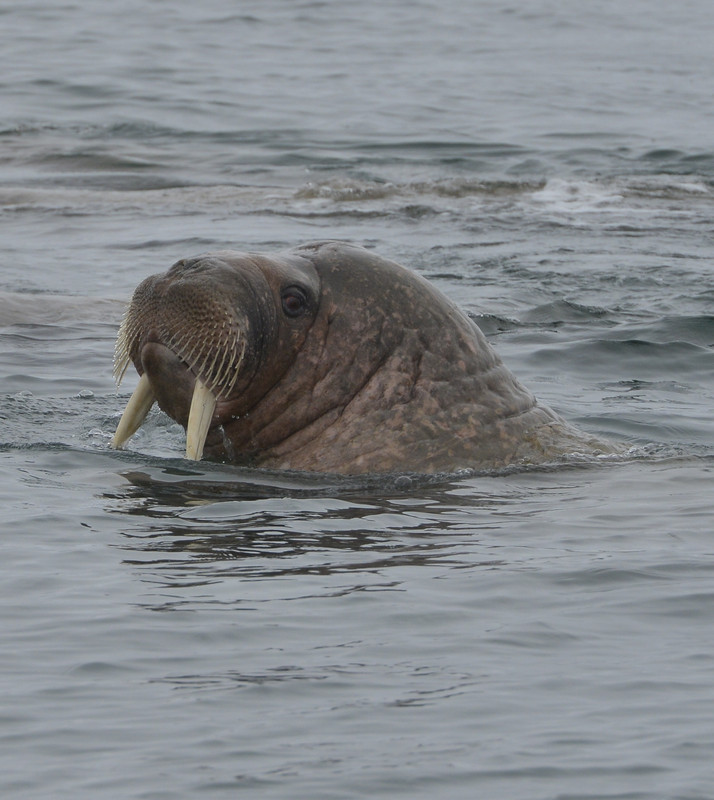
Just be carefull when landing that your dinghy stays afloat.

Walrus-Edit.jpg


Magdalene Fjorden is most of the times also accessible with GRP

Lo-Res-magdalenefjorden.jpg


But a little further north you definitely need a more sturdy steel hull.

Lo-Res-0014691.jpg


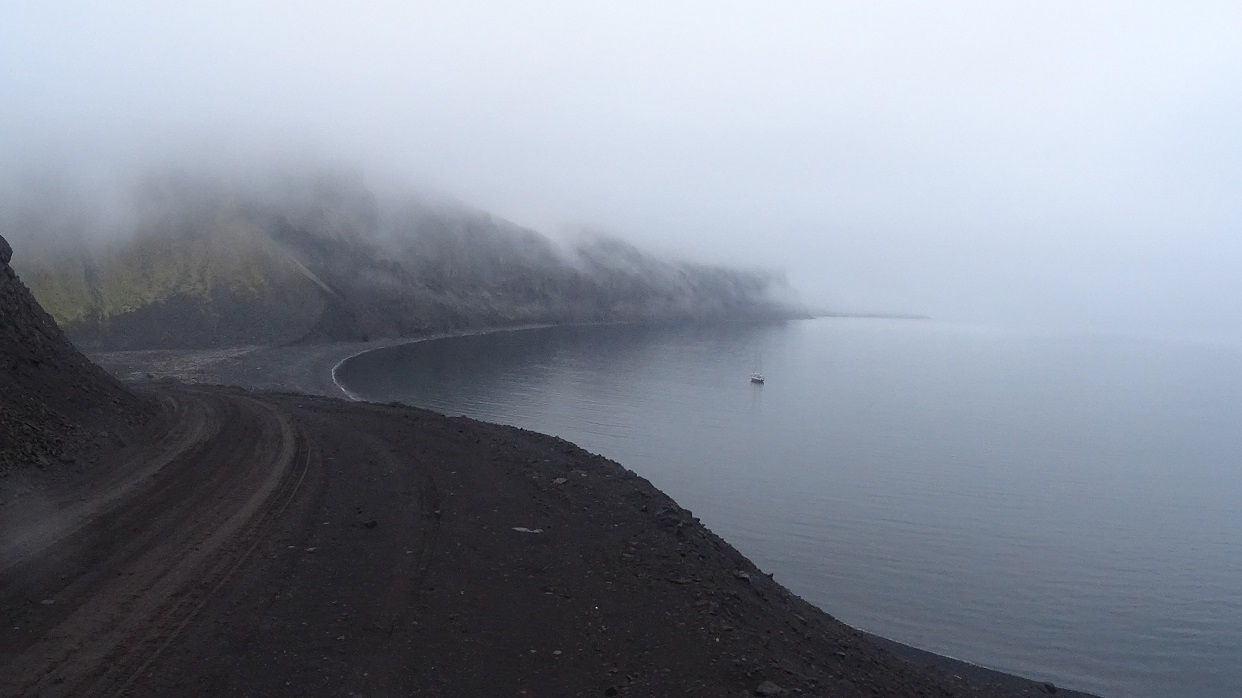
And don't forget to visit Jan Mayen island when you are in the area.

JanMayen.jpg
 
Last edited:
Thanks for all the replies.

So let's assume for a minute that I go for GRP, and bearing in mind that 4 double cabins would be useful, and plenty of storage too, thoughts turn to a cat, maybe a Lagoon 380.

How daft an idea is that?
 
The Atlantic Arctic is often quite fine in summer. The bumpy bit is getting there and getting back. If a cat can do that comfortably, why not?

One drawback to a cat might that there is more surface area for the internal volume and the boat may be harder to heat.
 
Last edited:
Thanks for all the replies.

So let's assume for a minute that I go for GRP, and bearing in mind that 4 double cabins would be useful, and plenty of storage too, thoughts turn to a cat, maybe a Lagoon 380.

How daft an idea is that?

No experience, but you might want to consider that the air in the polar regions is a LOT colder than the water. The temperature inside a monohull will never be less than the water temperature (around freezing), but the bridge-deck of a cat could get very cold very quickly, as it is surrounded by air. There might also be issues with icing under the bridge-deck in colder weather, through I think it would be OK in the summer.

There may also be issues ofmanoeuvrabilityy- you really want to be able to turn quickly to avoid ice that you may not see until fairly close.
 
Well ... a cat is definitely different from a monohull :).

Though the artic has been sailed in multi-hulls experienced arctic sailors that I know do prefer a monohull. Sometimes you need to push ice away (sideways) which requires force and hence depth/strength of the yacht.

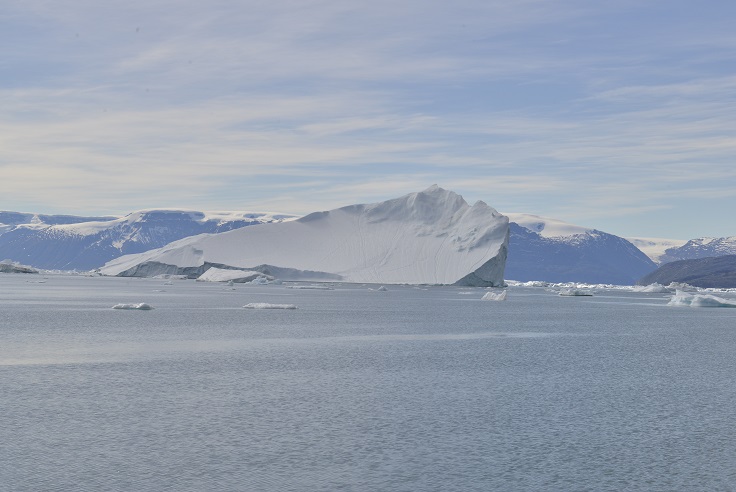
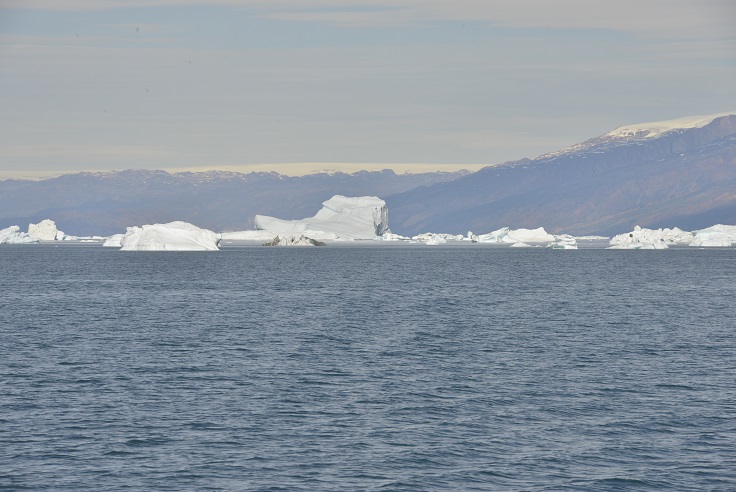
Some examples from Greenland / Scoresbysund at 70 North.

Navigating through ice requires space, which sometimes can be narrow.

IceBerg.jpg


When you are approaching this situation how do you know if you can get through and reverse when not without moving ice blocking your back door? The more space you need, the more complex the situation can get.

Ice-Blocks.jpg


On the other hand this is end of the trip for a monohull, but who knows if you can ice skate over this area using a multi-hull (without destroying the bottom side of your yacht).

IceSheet.jpg


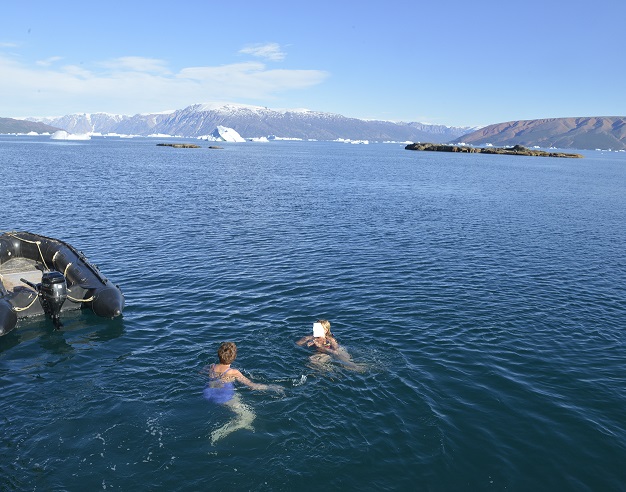
And by the way ... who said it is cold in arctic waters?

IceSwim.jpg


Of course ... this is not a recommendation for you to do the same. :cool:
 
Well ... a cat is definitely different from a monohull :).

Though the artic has been sailed in multi-hulls experienced arctic sailors that I know do prefer a monohull. Sometimes you need to push ice away (sideways) which requires force and hence depth/strength of the yacht.

Some examples from Greenland / Scoresbysund at 70 North.

Navigating through ice requires space, which sometimes can be narrow.

IceBerg.jpg


When you are approaching this situation how do you know if you can get through and reverse when not without moving ice blocking your back door? The more space you need, the more complex the situation can get.

Ice-Blocks.jpg


On the other hand this is end of the trip for a monohull, but who knows if you can ice skate over this area using a multi-hull (without destroying the bottom side of your yacht).

IceSheet.jpg


And by the way ... who said it is cold in arctic waters?

IceSwim.jpg


Of course ... this is not a recommendation for you to do the same. :cool:

Thanks all, and lovely pics.

One final thought - does anyone know anyone that would do a long term (6 month, annual) charter of a yacht that's already up there / set up?
 
Top