Yam 2 stroke outboard won't run properly

You dont say what model . You could be talking about anything from 2 hp to 300 HP. You dont say what age.

You dont say how long it runs before slowing and stopping. A few seconds? A few minutes?

However assuming it is a small one.

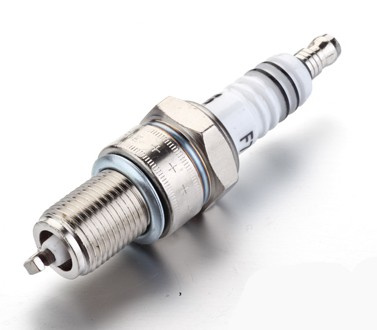
1st thing check/clean/reset or preferably replace the plug(s)

Check sparks

Ditch old suspect fuel , flush out tank, clean filter in fuel system ( part of fuel tap assembly with an internal tank probably)

Check fuel line for possible air ingress if its a remote tank, esp at the connector

Fill with fresh fuel and check fuel flow to carb. Check tank vent

If its a remote tank and pumping the bulb helps suspect air ingress or faulty fuel pump.

If choking helps suspect dirty carb ... strip and clean carb

My money would be on a dirty filter or other restriction in fuel flow to carb if its an internal tank.
Air leak, dirty filter or defective pump if its a remote tank.

You dont say if you can restart it almost immediatey, after a minute or so or if it takes longer.
 
Last edited:
Start OK. Run for a while then slowly gets slower and stops.

Could it be the fuel - it is probably 2 years old?

Cheers


If the engine is a few years old, and being a 2 stroke it has to be, it is likely the cooling pump impeller and seal have swelled. This can be confirmed if the engine is stiff to turn over. This happened to mine last year after 10+ years use. A job for the local dealer as it requires complex dismantling. Runs beautifully ever since!
 
I have regular bother with my Mariner 3.3

The standard solution is to take the float chamber off, wipe out the crud and reassemble. After standing for a while the petrol in the carb evaporates leaving the oil as a jelly-like deposit that blocks the jets.
 
Motorcycle-Sparking-Plug.jpg
 
If it starts OK then the plug is not first in line for attention.
I would suspect either fuel starvation or seizing.

If the fuel tap or filter is full of gunge, it will run for a while until the float bowl empties then falter and die.
There is usually a drain screw on the bottom of the carb.
If you can take that out and check the fuel runs through the system at a convincing rate, catching it in a container, you will also see if its clean and free of water.

You may find that taking the fuel line off the carb and blowing through it clears it.

If the engine is not pumping water, it may seize or just tighten up enough to slow the motor.
Check it pumps water and flush it through with fresh water.

Also check the vent screw on the tank really is open! Some have a washer that can stick.
Does it hiss when you undo the whole cap when it stops?

These things seem to attract water in the fuel, It may be worth draining the tank to remove it.
Personally I would strip the carb, but if you are not familiar with carbs, it might be better to just drain it or take the float bowl off to clean it. Sometimes a bit of crud or drop of water will get sucked into a jet after running for a while, then drop out when the motor stops, allowing it to start again.

Giving it some clean new fuel would be cool, but if it has been in a properly sealed can or tank it is normally ok for ages.

Other possible causes include the coil/electronics (condenser on ancient ones with points?) failing but that is fairly rare. A squirt of WD40 or whatever and a wipe over won't hurt.

Good Luck!
 
I agree with DogWatch.

I had a problem with my Suzuki 2.2 two stroke which started easily then conked out after about a minute of normal use (it ran OK in the dustbin). It turned out to be the spark plug.

If the OP puts a new one in and it wasn't that, he has a spare which is always useful.
 
If the OP puts a new one in and it wasn't that, he has a spare which is always useful.

OTOH since he has not told us what engine the question relates too it migh be a set of 6 not just a single plug :eek:
 
I agree with DogWatch.

I had a problem with my Suzuki 2.2 two stroke which started easily then conked out after about a minute of normal use (it ran OK in the dustbin). It turned out to be the spark plug.

If the OP puts a new one in and it wasn't that, he has a spare which is always useful.

I've had a lot of experience of dodgy outboards, and cheap two stroke motorbikes, I normally find a new plug is a good investment if it won't start at all, but once a motor is running, the demands on a plug are less, unless it is oiling up or something, in which case it normally won't restart easily. I generally find NGK plugs best for two strokes. They are normally not too dear, but checking the things I suggest is free and doesn't involve a trip to the chandler, so I would stick by my advice.
If you take the plug out when the motor has died and it's wet with fuel, then suspect the ignition side.
If you are sure the fuel is clean, the carb clean and fuel is getting to it, then plug is next.
I wasn't seeking to dismiss the plug possibility as much as offer some other options.
 
Without some more diagnostic observations all these suggestions are pissing in the wind.
Does the slowing down occur despite opening the throttle or closing the choke?
Does the engine smell or feel hot?
How long does the stopping take ? 1 minute or 10 minutes?
Is the slowing down sudden or does it gradually lose power?
 
I've had a lot of experience of dodgy outboards, and cheap two stroke motorbikes, I normally find a new plug is a good investment if it won't start at all, but once a motor is running, the demands on a plug are less, unless it is oiling up or something, in which case it normally won't restart easily. I generally find NGK plugs best for two strokes. They are normally not too dear, but checking the things I suggest is free and doesn't involve a trip to the chandler, so I would stick by my advice.
If you take the plug out when the motor has died and it's wet with fuel, then suspect the ignition side.
If you are sure the fuel is clean, the carb clean and fuel is getting to it, then plug is next.
I wasn't seeking to dismiss the plug possibility as much as offer some other options.

So have I, and before stripping down carbs or splitting old rusty heads, the easiest and as likely culprit can be swapped out in seconds by even the most ham fisted sailors.

I also note over time that piddly outboards are heavy on plugs, even it seems newer 4st jobbies such as my 2007 suzzi. Plug faults can be dead or nightmarish to start, but also I have found stalling and lack of power. suck-squash-BANG-blow the plug is responsible for the most important part of the cycle. I don't know if it the 6 series plugs, modern plug quality, but I don't remember changing plugs this often on my old seagull in my teenage years (maybe if I had I might not have hated seagulls so much!) (or SeaBee junk!).

But go with the others, start stripping it down before swapping the obvious, if I'm wrong fine, if they're wrong, good luck with that!
 
Well now here's a thing.

Firstly thanks for all your replies.

I was standing scratching my head a lot.

I had noticed that when I took the screws out to remove the cover they were very hot. And the carrying handle was also hot - and I never remembered this from using before. Then I noticed that there was no water coming out of the exhuast - but to be honest, it was so long since I'd used it that I couldn't remember whether there should be. But it kind of rang a bell.

So, I bit the bullet - went and bought some new fuel, 2 stroke oil and a container. Drained the tank. Whacked in the new fuel...........

....she started staight away. Revved well. Sounded good. And.......

....I looked at the exhaust and water was squirting out!!!! Then engine continued to run for 5 minutes at which time my assessment was that all is now OK!

When I felt the carrying handle it was completely cool!

So. Explain that then. It would appear that changing the fuel caused the water pump to work which kept the engine cool so it now works well. I dunno.:confused:
 
Top