Washing a Main Sheet

richardbrennan

Well-Known Member
Joined
10 Dec 2008
Messages
1,595
Visit site
Having soaked my main sheet in Patio Magic and hung it up to dry for a few days, all the green has gone but I'm still left with some rather dirty looking lengths which I assume is Portsmouth Harbour grime. I intend machine washing it in a pillow case, but wonder whether or not it is best to use a fabric conditioner?

All advice gratefully received.
 
I wash mine without a pillow case at 60oC a few scoops of washing powder with a decent splosh of bleach to get rid of any algae. Best to do this when SWMBO is at work to avoid being told each time I will be buying her a new washing machine if I break it - that's a statement of the bleeding obvious, even if I don't break it and it breaks for any other reason I will still be buying a new one !
 
Yes, Patio Magic is a great first step if the sheet has become encrusted with algae.

Yes, machine washing is great. (No idea why you’d sully a pillow case with it; rather your head at night than mine.)

Personally I use fabric conditioner too, as the sheets just feel great for it.

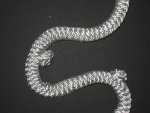
You’ll recover a snakes’ wedding from the machine, but it won’t take five minutes to undo the megaknot from your sheet and you’ll thank yourself for the effort. Personally I resist the temptation to wash a tied coil, as I want the entire sheet to be cleaned.

From what I have read but haven’t tested, it could make sense to bathe the thing in a Patio Magic solution once clean and then let it dry, as this apparently resists fresh green growth for a year or so.
 
Last edited:
Fabric conditioner reduces thread strength so clothes are softer but less hard wearing - braided rope will soften and fray after a year or two of washing - as I learnt to my cost
 
I regularly wash my sheets - using fresh water, buckets and regular water changes before soaking in detergent and water and rinsing.
Mainsheet seldom needs doing but foresail sheets need a wash twice a season.

My wet sheets weigh considerably more than 10kg wet, so it's unlikely any washing machine would survive.
 
If not keen on using a washing machine a soak in the bath or a green wheelie bin might assist. Clearly use of a domestic washing machine might cause damage depending on weights involved and machine rating but those found in marinas tend to be larger and of industrial construction so parting with a few coins there might be preferable approach. Personally don't use fabric conditioner but if it's grimy then deck cleaner applied say with watering can in a bath would remove such grime .
 
Fabric conditioner reduces thread strength so clothes are softer but less hard wearing - braided rope will soften and fray after a year or two of washing - as I learnt to my cost

No, it does not. This is obvious on the face of it.

However, washing in a machine can seriously damage a rope do to the milking motion. Itcan even herniate a rope, causing the core to come through the cover. That is how you damaged the rope. Adding fabric softener (you added extra, perhaps) makes the problem worse by making the rope slippery. In fact, new ropes are particularly vulnerable. I suspect this is why sailors that are focused on clean report this most often; they wash new ropes and always add fabric softener. Washing in a pillow case helps.

herniated rope low res.jpg

And why on earth do they need washed so often? If it is algae, hang them up so they dry. If there are a few stains, so what? They aren't church clothes.

Better, wash ropes in a bucket if you must, dry, and then treat with Nix Wax Polar Pruf, also in a bucket. It is far more effective and longer lasting than fabric softener, which is the wrong treatment for the problem anyway.

This was studied and written up in Practical Sailor:
https://www.practical-sailor.com/issues/37_7/features/clean_rope_10509-1.html
 
And why on earth do they need washed so often?

Because, in the Med, during a windward thrash, genoa sheets get constantly saturated with sea-water. When they dry out they are so stiff they are almost impossible to handle. Most avoid this by motoring everywhere. and not using sails - I suspect this poster might be one of those ;-)
Read more at http://www.ybw.com/forums/showthread.php?490349-Washing-a-Main-Sheet#9u4DbRfglJtJ8f7l.99

Don't worry, thinwater clearly doesn't have much experience of looking after ropes
 
All advice gratefully received.
Remove sheet from boat, stuff in washing machine (only placing the end with any metal bits in a protective cover), wash at 60 degrees with a biological washing powder/liquid, unravel the snake and hang out to dry. On no account add fabric conditioner a) a complete waste of money and b) will weaken the rope. Hearing it go twang in a F7 at 0300 is not a good sound.
 
I soak my lines in a mild solution of Milton fluid for a couple of hours, which removes mould/mildew etc effortlessly.

After rinsing them through with fresh water I shove straight into the washing machine at 60 degrees with a mild detergent. They come out as new, supple and ready to go.

I don't bother throwing them in a pillowcase as it just unbalances the drum and then i end up with the washing machine beating its way across the kitchen floor.
 
It may take more than a couple of days for the effect of Patio Magic to show itself fully, and the black/grey may not come off until it is exposed to rain, rinsing or washing. I would be inclined to wait a week or two and then give it a minimum wash.
 
And why on earth do they need washed so often?

Because, in the Med, during a windward thrash, genoa sheets get constantly saturated with sea-water. When they dry out they are so stiff they are almost impossible to handle. Most avoid this by motoring everywhere. and not using sails - I suspect this poster might be one of those ;-)
Read more at http://www.ybw.com/forums/showthread.php?490349-Washing-a-Main-Sheet#9u4DbRfglJtJ8f7l.99

Snicker, snicker.

Remember, the OP was taking about green, not salt and lime.
 
Top