Studland - how much do our anchors affect the seabed? New BORG report out.

I would expect that an anchor chain would do quite a lot of damage over a large radius. Anchoring in Thames Estuary mud, the last metre or more of chain comes up muddy, so they must have been laying on the bottom. If you are there long enough to go through a complete tide cycle, your chain is going to scrape a circle of a metre or more radius of the seabed.

My experience in Studland Bay is that the tide does not move anchored boats around as much as you would expect. The tidal flow usually seems weak. In fact I have found that I can anchor there for 24 hours without turning more than a few degrees. If I am correct, the chain will sweep a very small area.
 
Ah, can't comment on that - we only anchor in East Coast mud - nothing to damage round here! :)

Dont you believe it. Mud is full of invertebrates (wriggly things) and is a prime feeding ground for a range of feathery things with webbed feet (at least judging by the mess they make of my decks - both mud and c*ap).

Here in Chi Harbour my yard has several clear restrictions in what we can do on the mud - apparently to avoid damaging the invertebrates. the fact that 50 yards away is the top end of one of the main bait digging areas of the S Coast looking like the a**se end of the moon, with bait being lifted by the bucketful every day by a team of dedicated commercial diggers seems to have escaped the Conservos notice.
 
Can someone explain why the SHT is so animated about getting anchoring banned. Is it because they have a genuine concern for the wellbeing of seahorses or is there another agenda?

Their agenda is driven primarily by one person who is fixated with seahorses. His cause was helped by a maverick photographer who managed to capture images of rare seahorses, and comes from the extreme end of "everything human damages nature" school of thought.

As Old Harry says there is little real fact behind their pronouncements. They have managed to attract considerable publicity based on images that is very difficult to refute with reason.

They have chosen to pursue their case by attacking a particular activity (anchoring of leisure boats) because it is an easy target. They completely dismiss any other factors that might affect the habitat of the seahorse because they simply do not understand the ecology of the Bay - but they are not alone in that so they exploit the lack of knowledge to concentrate on the hate figures.

Those of who know the Bay also know about the changes in the seabed and tidal flows resulting from the channel dredging in the 1980's and the change in fishing practices over the years such as the banning of scallop dredging have affected the growth of eel grass. Look at the chart in the paper - the area where anchoring is common is very shallow and at low water only just covers the vegetation. Then imagine an Easterly winter gale and you will appreciate why the beach is knee deep in eel grass torn up by the surf. Of course SHT see nothing of this - diving trying to find elusive seahorses is a pleasant summertime activity!

If their claim that anchors tear up the seabed and destroy the eel grass was valid, you would expect the seabed to look like a ploughed field - and it doesn't! Their well used image to support their ploughing up claim is a Sunseeker dragging its anchor and leaving a scar, as if this is what all anchoring is like. The scar healed over very quickly, but that does not fit the "story" so never gets reported.

As to why they want an anchoring ban, it is partly symbolic as it represents victory and partly because it results in funding to provide mooring buoys, which need to be monitored and assessed for effectiveness. Funded projects such as this are the lifeblood of "conservation" organisations.
 
No one has yet even begun to answer the fundamental question: why is there so much MORE eelgrass after 50 years anchoring? Why suddenly, at a time when economics and weather have actually reduced the number of visitors by 30% or more, is there a sudden panic about it all?

I am surprised that you use only 50 years of anchoring.

When I was a lad and lived most of my summers on Selsey Bill there were still sailing vessels anchored in the lee of the Bill waiting out a foul tide.

If you read McMullen's "Down Channel" it becomes apparent that anchoring behind suitable bits of land and handy bays was a daily occupation.

In my opinion anchoring has taken place in suitable locations around our coasts-including Studland Bay-for centuries.
 
Tranona,

all good valid points, but even the Career Conservationists hit a stumbling block with funding; when they proposed 50 Environmentally Friendly moorings at Studland, with a ticket collector to take fees, his Landrover, RIB etc they did their sums and had a speedy rethink !

There's no way moorings could pay their way, I suppose a fully Government funded scheme - no doubt funding a few Conservo's - might work, as well as being a colossal waste of taxpayers' money but what's the point ?

Meanwhile, I rather fancy a ' job ' working on one of the best beaches in the UK ! :rolleyes:
 
Spot on Tranona, and a very fair summary of what we are up against. Thanks. The difficulty is that SHT has a very well oiled publicity machine sponsored by big names like Chris Packham the TV conservation journo. Of course if its on TV it 'must' be right.

Anyway who on earth would want to harm those charismatic cuties the Seahorses. No me, either. So you get teams of rowers for example all sporting T Shirt slogans 'Save our Seahorses'. great - good idea, , yes of course we must save the seahorses.

From what? In the far East and S America, yes they do need saving from the food and medicine trade. Properly processed they are the next best thing to viagra for the Chinese apparently. There is a huge black market trade.

But here in UK? Whats the threat? well, er, ummm, lets see: oh yes those terrible wealthy yotties throwing anchors at them in places like Studland. Cant do much about the black market in the far east, but we CAN stop the yotties getting in the way when we want to go for a swim to have a look at them....

Lots of things we get blamed for: the floods and storms of the last winter are actually the fault of - guess who? yes, you got it, wealthy people destroying the environment by anchoring in Studland. Yes, really. I actually had an email from SHT accusing us of this.

And the trouble is a gullible public reads all this in the press and sees that wonderful man Packham saying it on tv - on the BBC, so it MUST be right - and has absolutely no reason to disbelieve it.

Rotrax yes you are right, but the eelgrass was virtually wiped out just before the war by disease, and did not really start to re-establish in the Bay until the mid 1950's. But yes you are right, there are pre-war photos of regattas, with dozens of boats taking place in Studland, and since time immemorial it has been a place of refuge for the fishing and coastal trade fleet in bad weather. I refer specifically to the post war leisure boating boom sparked by the advent of the cheap plywood cruiser in the late 50s early 60s.

Natural England too, has its own anti leisure boat brigade, some of whom are in key senior positions. These people have staked professional reputations on the assumption that anchors 'must'cause damage by plowing up the seabed. So they are no going to let themselves be overruled in a hurry.

BORG thanks to Dr Simons has thoroughly put the cat among the pigeons in the scientific community, and both we in BORG and the leaders of the Studland residents are subjected to regular attempts to discredit us both professionally and personally. SHT quite deliberately omits any honorific or title for the authors of BORG reports for example. We reckon this does more harm to them than us.
 
Last edited:
correlation.png

Spurious correlations: http://www.tylervigen.com
Eg

US spending on science, space, and technology
correlates with
Suicides by hanging, strangulation and suffocation
 
US spending on science, space, and technology
correlates with
Suicides by hanging, strangulation and suffocation

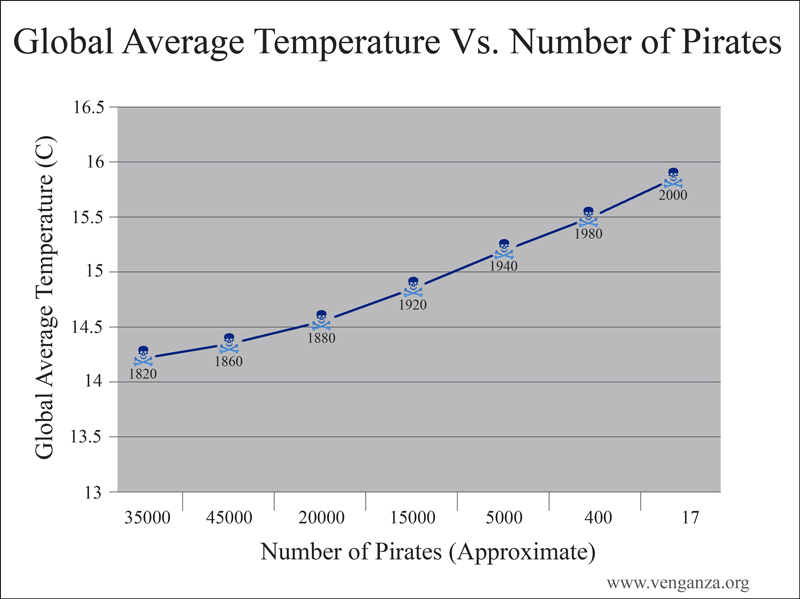
In maths lessons at school we learned that UK icecream sales correlated quite well with the growth of the Indian railway system, and radio ownership (back when you used to need a license) with the rate of mental illness.

Pete
 
If you believe something strongly enough it becomes 'fact'. Thats what we are up against. Much of what is written about Studland is based on opinion, based on usually very limited observation, and heavily biased asumptions. When you dig down to the data and observations behind the opinion, there is actually very very little to go on.

No one has yet even begun to answer the fundamental question: why is there so much MORE eelgrass after 50 years anchoring? Why suddenly, at a time when economics and weather have actually reduced the number of visitors by 30% or more, is there a sudden panic about it all?

The reasoning goes something like this: "There are gaps in the eelgrass. People anchor there. Therefore the gaps must be caused by anchoring".

There are gaps elsewhere well away from the anchorage

"ah well, we dont know what has caused those"

But nobody anchors there.

"But the gaps in the anchorage must have been caused by anchors".

Why?

"Because people anchor there. Therefore the gaps must be caused by anchoring"


And so it goes on...and on and on.

http://www.tylervigen.com/
 
In maths lessons at school we learned that UK icecream sales correlated quite well with the growth of the Indian railway system, and radio ownership (back when you used to need a license) with the rate of mental illness.

In How to Lie with Statistics, Darrell Huff pointed out that the salaries of presbyterian clergymen in the US north-east correlated strongly with the wholesale price of rum in Havana. And, of course, any devotee of the Flying Spaghetti Monster (all hail to his noodly appendages) is familiar with this:

hq-graphcopy2_800.jpg
 
i used to trawl for cuttle fish on the eelgrass in osbourne bay---the net did not come up full of eel grass--so you might find that an anchor chain slides over the top of the eel grass and does little damage at all----regards lenten
 
SHT quite deliberately omits any honorific or title for the authors of BORG reports for example. We reckon this does more harm to them than us.

That is perhaps because he has no achievements that have led to recognised qualifications and titles! The ultimate anti intellectual.
 
Well, to be fair on Neil one can't fault his enthusiasm; then I'd be pretty enthusiatic too if I was charity funded to work on a sandy beach ! :)

However the SHT publicity seeking may have been a shot in the foot, as Studland residents reported van loads of Asian divers with spearguns turning up in the early hours of the morning, apparently after Seahorses as a Chinese delicacy and / or valuable addition to aquariums...
 
No one has yet even begun to answer the fundamental question: why is there so much MORE eelgrass after 50 years anchoring? Why suddenly, at a time when economics and weather have actually reduced the number of visitors by 30% or more,

.

Be careful what you print.
It may be perceived, by those in opposition to you, that what you are actually saying is that now anchoring has temporarily been reduced, due to economic climate etc, the eelgrass has begun to flourish again

I know that you do not actually mean that & that I have omitted the next part of your prose, but I believe others wishing to rubbish you might do the same
 
Be careful what you print.
It may be perceived, by those in opposition to you, that what you are actually saying is that now anchoring has temporarily been reduced, due to economic climate etc, the eelgrass has begun to flourish again

I know that you do not actually mean that & that I have omitted the next part of your prose, but I believe others wishing to rubbish you might do the same
Point taken, but specifically there was a 10m advance inshore of the eelgrass 1996 -2008, when the panic started. This is well documented.
 
Point taken, but specifically there was a 10m advance inshore of the eelgrass 1996 -2008, when the panic started. This is well documented.

Funnily enough this timing coincides with the advent of Career Conservationists !

Studland has been an anchorage since well before Roman times, but photographic evidence of the eelgrass expansion has only been available since early 20th Century and particularly when pre- WWII Luftwaffe recce' shots began.
 
Dont you believe it. Mud is full of invertebrates (wriggly things) and is a prime feeding ground for a range of feathery things with webbed feet (at least judging by the mess they make of my decks - both mud and c*ap).

Here in Chi Harbour my yard has several clear restrictions in what we can do on the mud - apparently to avoid damaging the invertebrates. the fact that 50 yards away is the top end of one of the main bait digging areas of the S Coast looking like the a**se end of the moon, with bait being lifted by the bucketful every day by a team of dedicated commercial diggers seems to have escaped the Conservos notice.

Not in Fareham they have spotted it but don't do anything about it.
Correction.They did put up some very scary notices a few years ago but they ended up in the creek along with all the other rubbish.
 
Last edited:
Well this thread has inspired me to join the SHT. I am bored of all there nonsense.

If I join I will fight to change there name to SeaHorse International Trust...

I think I will get me coat. ...
 
Top