stranded
Well-Known Member
Currently I have:
ST60 depth connected by ST1 > STng adapter cable to i60 wind;
i60 wind connected by STng > ST1 adapter cable to ST60 speed;
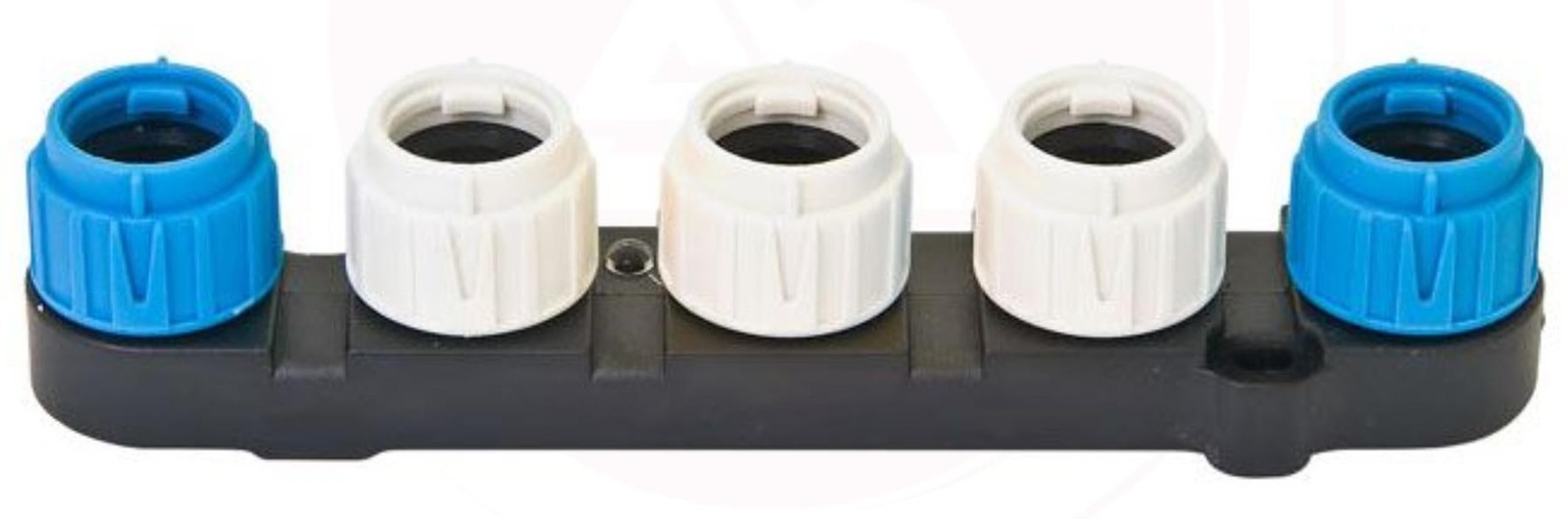
ST60 speed connected by STng > ST1 adapter cable to 5 socket Convertor;
Convertor connected by (thicker - is this relevant?) black and white spur cable to C125 MFD STng socket
The other Convertor connections are occupied by 2 x STng backbone + black and red power, so it is full.
This setup has worked just fine for a few years. Now the ST60 speed display head has died, so I have bought an i50. Not yet tried fitting. I was going to order a selection of bits so I could suck it and see - until I saw the price of a single 400mm STng spur cable (£34.95!) so more focussed now on getting it right first time.
So the most obvious place to start is simply to replace the ST1 > STng adapter from the speed to Convertor with an STng cable.
But would this work?
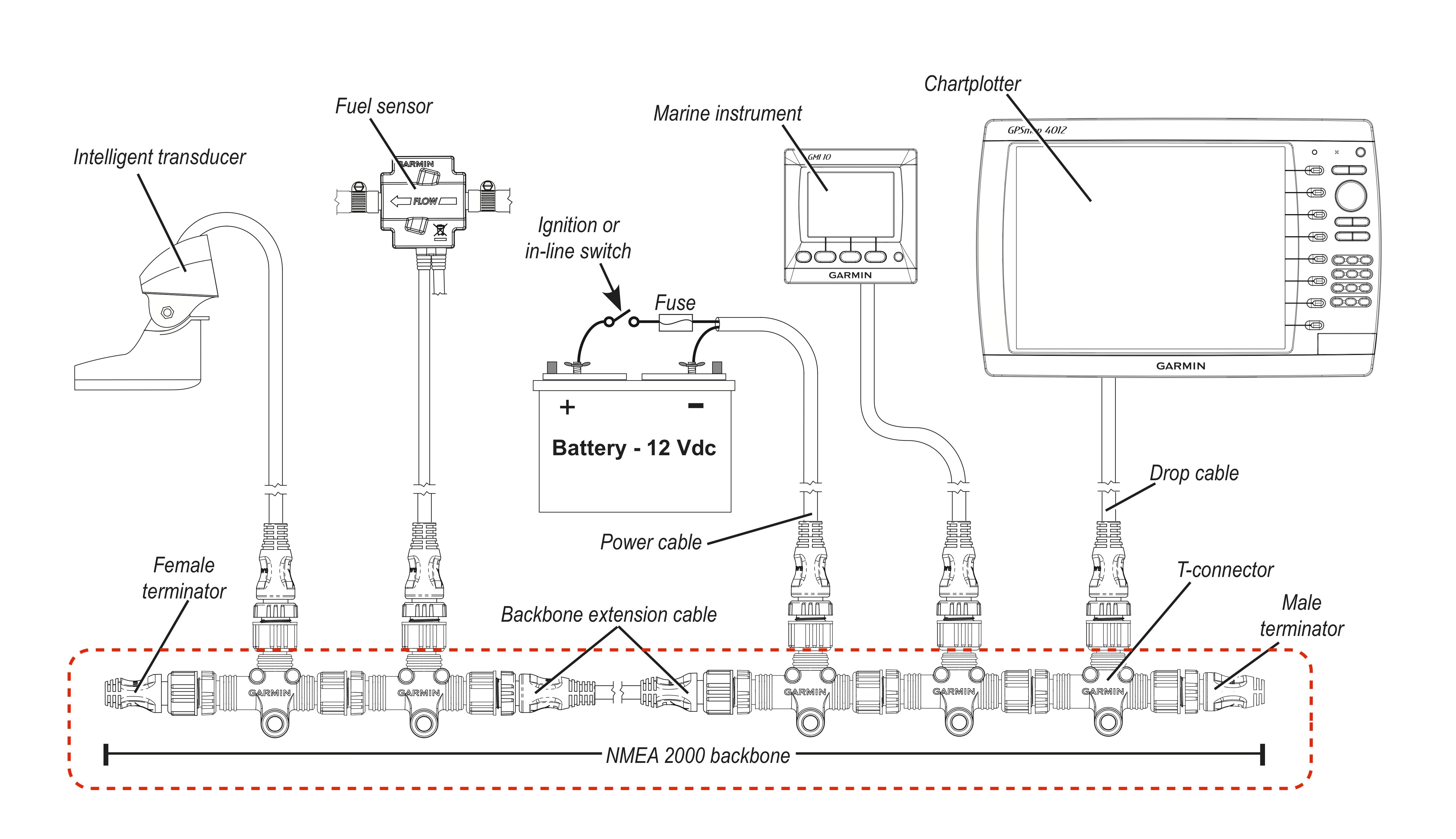
Shouldn’t the individual STng instruments be on their own spur cable?
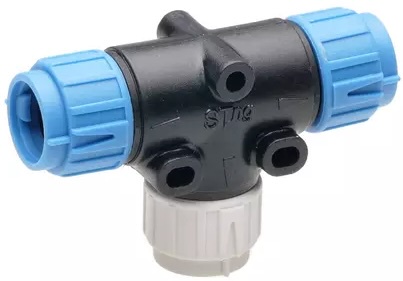
If so, could I leave the ST60 depth and i60 wind as a group, connected to the Convertor as the whole group is now, and add the i50 speed to the backbone as an individual spur? Would they still all communicate?
Or put both the STng instruments on individual spurs and connect the ST1 depth to the Convertor? Communication with it would be less important as I don’t think any other instruments use the depth info (but I may be being dim)
Grateful for suggestions as to the most economical workable (not bothered about elegant) solution.
Thank you.
ST60 depth connected by ST1 > STng adapter cable to i60 wind;
i60 wind connected by STng > ST1 adapter cable to ST60 speed;
ST60 speed connected by STng > ST1 adapter cable to 5 socket Convertor;
Convertor connected by (thicker - is this relevant?) black and white spur cable to C125 MFD STng socket
The other Convertor connections are occupied by 2 x STng backbone + black and red power, so it is full.
This setup has worked just fine for a few years. Now the ST60 speed display head has died, so I have bought an i50. Not yet tried fitting. I was going to order a selection of bits so I could suck it and see - until I saw the price of a single 400mm STng spur cable (£34.95!) so more focussed now on getting it right first time.
So the most obvious place to start is simply to replace the ST1 > STng adapter from the speed to Convertor with an STng cable.
But would this work?
Shouldn’t the individual STng instruments be on their own spur cable?
If so, could I leave the ST60 depth and i60 wind as a group, connected to the Convertor as the whole group is now, and add the i50 speed to the backbone as an individual spur? Would they still all communicate?
Or put both the STng instruments on individual spurs and connect the ST1 depth to the Convertor? Communication with it would be less important as I don’t think any other instruments use the depth info (but I may be being dim)
Grateful for suggestions as to the most economical workable (not bothered about elegant) solution.
Thank you.