

vas
Well-Known Member
me again...
instead of reviving a year old thread and since the issue is slightly different, I'm posting a new one with a link to the old one for reference.
Spent the day sorting out cabling, stripping cabin lights and toggle switches (LEDs only need a thin 4X0.22 from nearest BMS point) and rerouting power (220V, 220Vinv, 24V and USB) points.
At some point I have to sort out the engine room cabling which is an absolute mess. Went down there today nosing around and trying to figure out how things are wired with minimal success
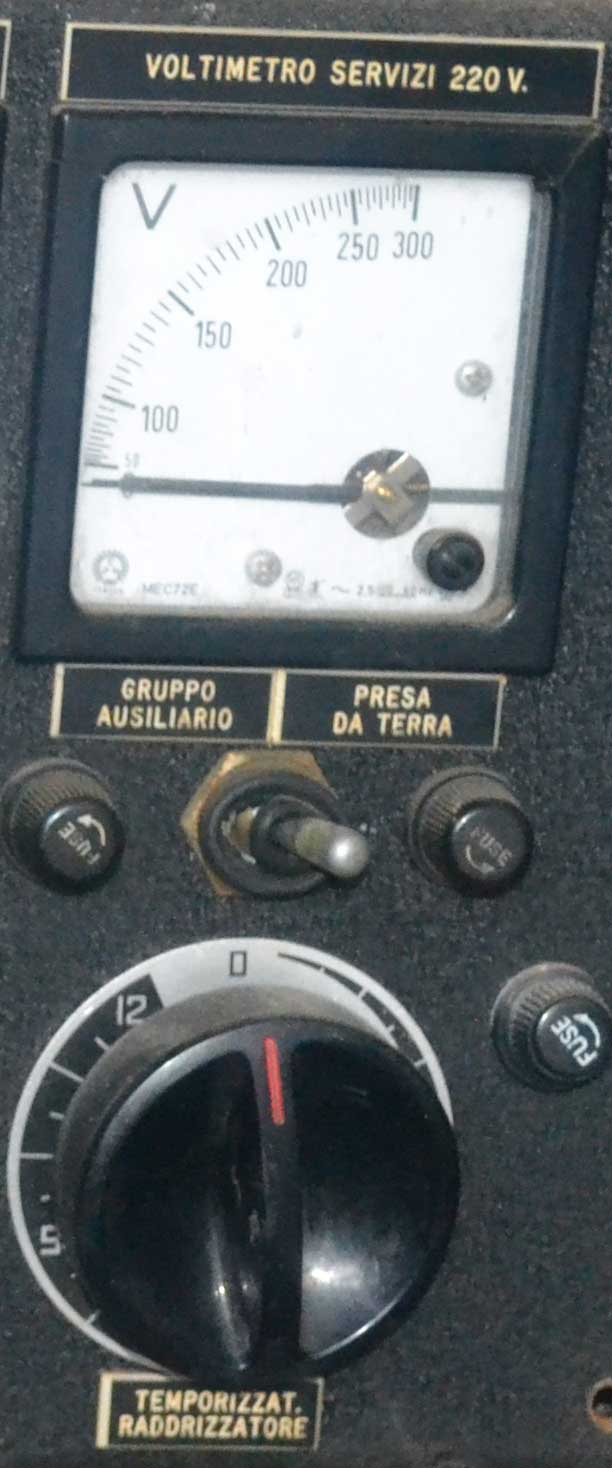
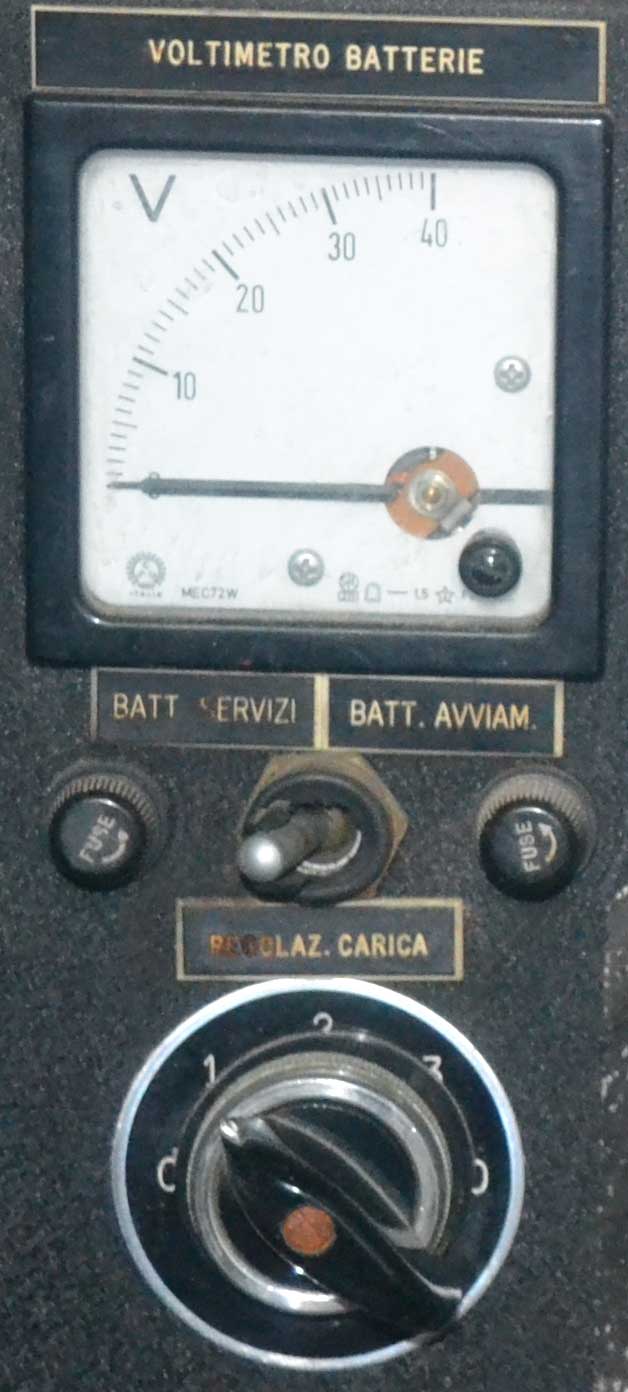
So as a reminder, atm the el.panel on the lower helm features the following two bits that as we concluded with MapisM, PaulG and Alf are
a timer for the charge duration up to 12h:
and a charging power selector 0-3:
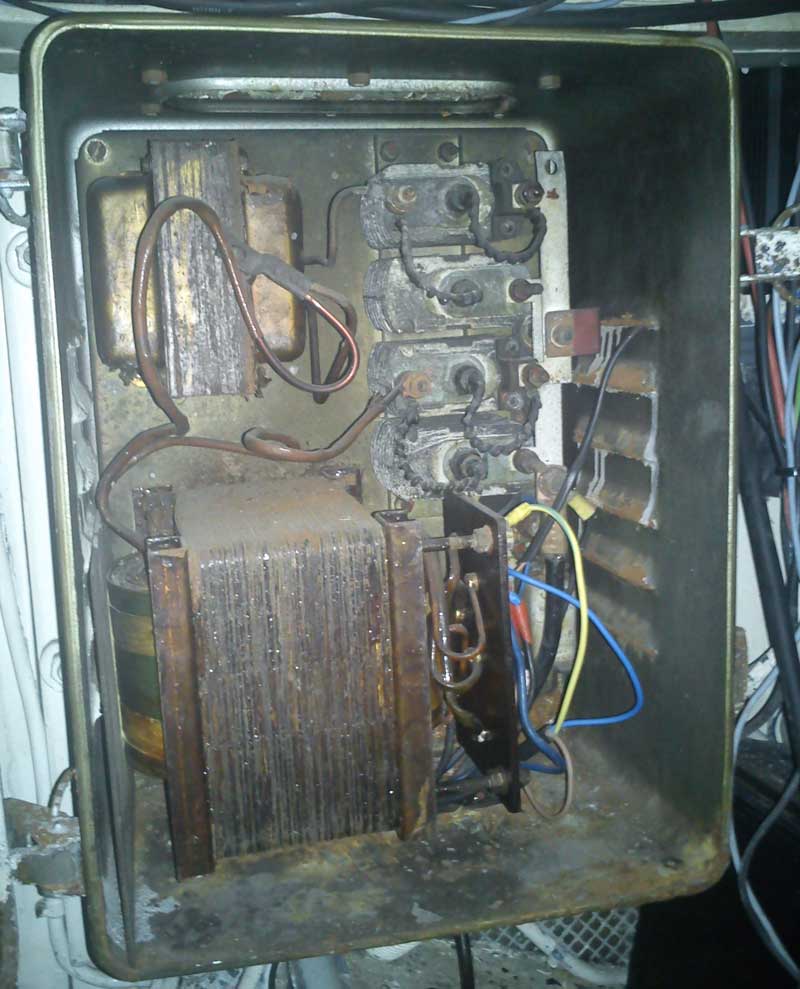
On the engine room I have a nice big rusty box that I thought was dead but is live 220V
next to it is a split charger by the looks of it (sorry no photo of it, will take one tomorrow), with one wire coming from a yet unidentified spot and two going to the two banks.
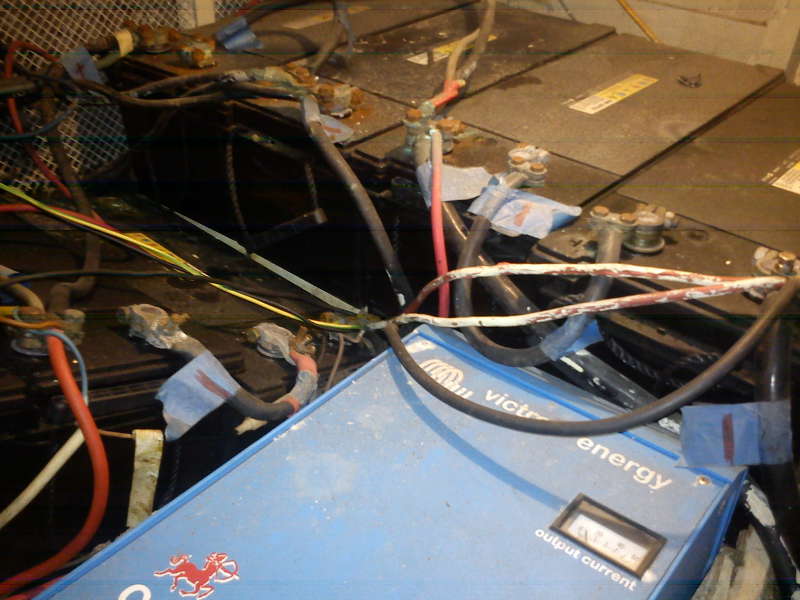
Currently boat has a Centaur intelligent whatever battery charger laying on its back next to the 6batteries (4service, 2 engines)
Even at battery level wiring is a nasty, rusty incoherent spaghetti:
Plan is to decomission the rusty box and hang the Centaur charger in its spot giving me more space to shift batteries about.
Now, by the looks of it, the rusty box is nowadays just there as a distribution box, taking shorepower (and genny power as well!) and feeding it to the intelligent charger. Further the rusty box MUST be connected to the 0-3 rotary switch on the el.panel increasingly pushing more amps to the batteries.
Since all that mess is useless, can someone confirm that I'm not missing something sinister and I can go ahead with the plan?
Obviously I'll trace all wiring back to where it came, mark them, remove them from the rusty box, fit a small distribution box and go from there.
any objections?
cheers
V.
instead of reviving a year old thread and since the issue is slightly different, I'm posting a new one with a link to the old one for reference.
Spent the day sorting out cabling, stripping cabin lights and toggle switches (LEDs only need a thin 4X0.22 from nearest BMS point) and rerouting power (220V, 220Vinv, 24V and USB) points.
At some point I have to sort out the engine room cabling which is an absolute mess. Went down there today nosing around and trying to figure out how things are wired with minimal success
So as a reminder, atm the el.panel on the lower helm features the following two bits that as we concluded with MapisM, PaulG and Alf are
a timer for the charge duration up to 12h:
and a charging power selector 0-3:
On the engine room I have a nice big rusty box that I thought was dead but is live 220V
next to it is a split charger by the looks of it (sorry no photo of it, will take one tomorrow), with one wire coming from a yet unidentified spot and two going to the two banks.
Currently boat has a Centaur intelligent whatever battery charger laying on its back next to the 6batteries (4service, 2 engines)
Even at battery level wiring is a nasty, rusty incoherent spaghetti:
Plan is to decomission the rusty box and hang the Centaur charger in its spot giving me more space to shift batteries about.
Now, by the looks of it, the rusty box is nowadays just there as a distribution box, taking shorepower (and genny power as well!) and feeding it to the intelligent charger. Further the rusty box MUST be connected to the 0-3 rotary switch on the el.panel increasingly pushing more amps to the batteries.
Since all that mess is useless, can someone confirm that I'm not missing something sinister and I can go ahead with the plan?
Obviously I'll trace all wiring back to where it came, mark them, remove them from the rusty box, fit a small distribution box and go from there.
any objections?
cheers
V.


