Have I destroyed a battery?

John that's the conclusion I've come to.
And since I believe it happened because of my mistake I wouldn't claim on warranty. (I sleep very well at night!):D
I understand your anxiety about claiming under warranty but I’m not so sure you’ve got a moral dilemma there. Worst case is that the inverter will have drawn one of two hundred amps when the cleaner shorted out. I think I recall you saying the inverter has its own protection circuits and it tripped out. What’s the cold cranking limit (or the equivalent) specification of the batteries?
 
I understand your anxiety about claiming under warranty but I’m not so sure you’ve got a moral dilemma there. Worst case is that the inverter will have drawn one of two hundred amps when the cleaner shorted out. I think I recall you saying the inverter has its own protection circuits and it tripped out. What’s the cold cranking limit (or the equivalent) specification of the batteries?
Yes, John the inverter is working again and the specification of the Inverter say it is protected.

The X2 12V batteries are around 600CCA .

I think from what you, William and some guys posting earlier on the thread have said I better treat the problem as urgent and if there is some doubt I could be at fault I will put in a claim(y)
 
I'd say you are not in fault coopec!
as others said, DOA batteries (or in your case Almost DOA) is not impossible, so get on with it!

Of course that is unless on inspection you see that the plastic around one of the terminals on said battery is melted which would suggest bad contact/overheating in the cable/lugs/terminals killing the battery.
 
I'd say you are not in fault coopec!
as others said, DOA batteries (or in your case Almost DOA) is not impossible, so get on with it!

Of course that is unless on inspection you see that the plastic around one of the terminals on said battery is melted which would suggest bad contact/overheating in the cable/lugs/terminals killing the battery.
:D

Thanks Vas.
I've just come down from the yacht and had another look at the overheated cable and it only overheated at the lug (the rest looks fine)
You and all the other experts on the forum are saying the same thing so I will get on with it!:D
 
  • Like
Reactions: vas
Out of curiosity, where was this lug connected to? Was it the connection to the 1/2/both?
also check the wiring (someone picked it up earlier in the thread) from the panels, the two cables from panels go straight to the MPPT (I guess you have one!) controller, so what was the negative/ground you mentioned? A diagram would help clarify things.
 
J
Yes, John the inverter is working again and the specification of the Inverter say it is protected.

The X2 12V batteries are around 600CCA .

I think from what you, William and some guys posting earlier on the thread have said I better treat the problem as urgent and if there is some doubt I could be at fault I will put in a claim(y)
Just because something is "new" does not mean that it cannot be faulty.

Your use and that inverter cannot have damaged one battery and not both. So claim UG, sharpish.
 
Out of curiosity, where was this lug connected to? Was it the connection to the 1/2/both?
also check the wiring (someone picked it up earlier in the thread) from the panels, the two cables from panels go straight to the MPPT (I guess you have one!) controller, so what was the negative/ground you mentioned? A diagram would help clarify things.

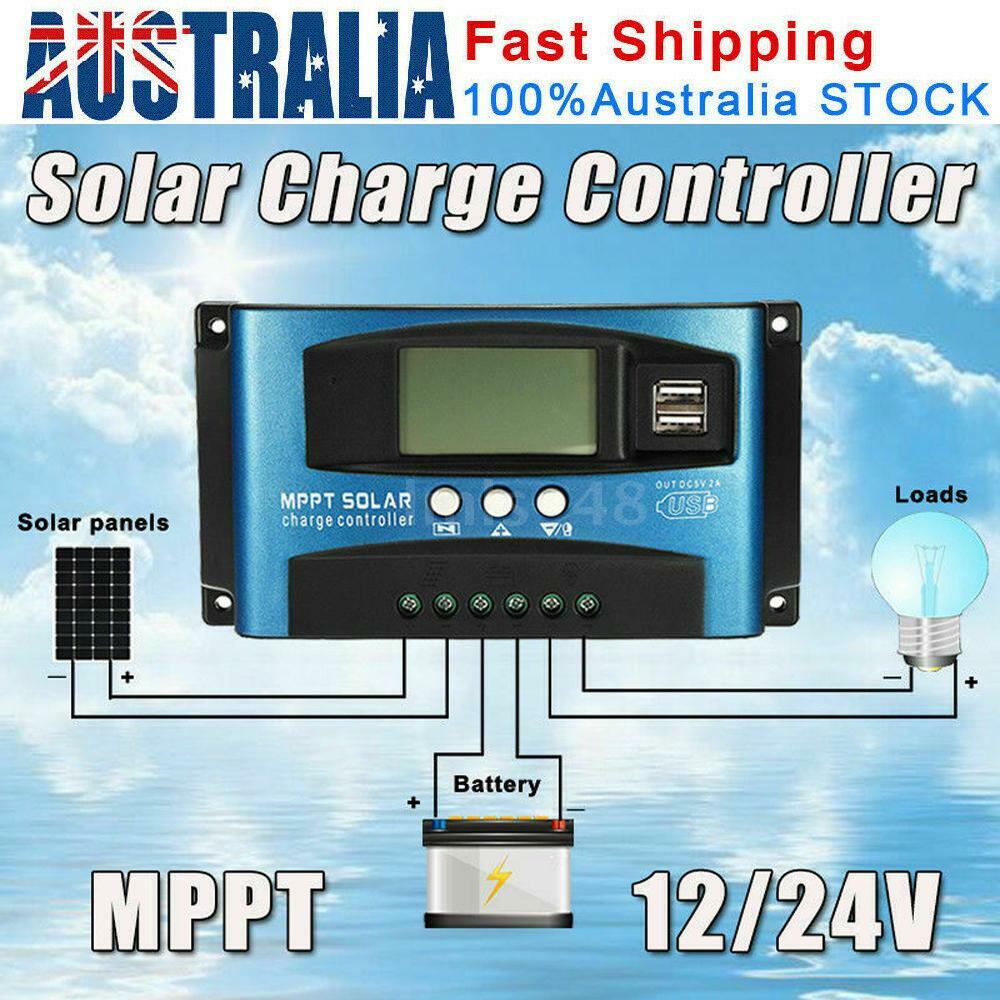
I have a Chinese "MPPT Controller" which is really a PWM controller.

s-l1600.jpg


The negative cable from the PWM controller went to the negative terminal - + - + on the House Bank and also Starter Bank.
The Starter bank is earthed to the motor via the solenoid???? (Would have to examine the cabling. The motor starts exactly as intended)

The positive cable from the PWM controller currently goes to a 1/2/Both switch and then the positive terminals on the Starter and House Bank

The mast, bow roller, chain-plates are earthed (for lightning protection) and connected to the auxiliary motor. The negative terminals of both Starter bank and House Bank are earthed to the engine.
 
Top