Growing things onboard (intentionally!)

Kelpie

Well-Known Member
Joined
15 May 2005
Messages
7,766
Location
Afloat
Visit site
We're finding it increasingly hard to get good fresh herbs for cooking (other 'herbs' are easily obtained if you follow your nose!).
Going to experiment growing some basil, parsley, and coriander.
Any tips from green fingered sailors? We're in the Grenadines just now and there's lots of sun and wind so I think it's going to be a case of giving the plants a bit of shelter, especially from the wind. Curious to see what other people have found to work.
 
I went on a flotilla years ago where the lead boat had quite a little garden growing under the spray hood.
 
We had an oloe vera on board while out there - very good for sunburn. The biggest problem was excessive salt.
 
Interesting. We could only get one variety of seed so we'll see what grows.
Struggling to balance giving the plants sunlight whilst keeping them out of the wind. Under the sprayhood is an oven!
Ours was bought in Greece and was fairly well established, its quite a peppery taste, never tried from seed, good luck.
 
Last edited:
Basil and mint grow really well from cuttings. Just cut it directly below a bud and put it in a glass of water for about a week (take off any leaves below the water). You might find some of the greek basil that way. It's very easy from seed too, but when your plants get a bit manky you can take some cuttings and start again from fresh. They will be more wind resistant if they are not too soft. If you brush them with a sheet of paper a few times a day when they are big enough they will grow tougher and shorter.

I also grow cress for egg sandwiches. It's easier to manage than pots as it is very quick to grow and you just sow it on a bit of wet towel or similar.
 
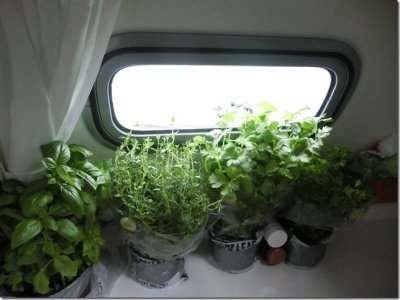
We frequently have a herb garden in the loo (it's so un-nautical a thing that I can't call it the heads!)
jpgDqTENy9crW.jpg
This lot survived round Iceland and Faroes. Other times one survived across the Atlantic and cuttings from them are still in our garden at home 5years on. When leaving the boat for more than a few days we look for a garden where nobody is at home, and heel them in, digging them back up on our return!
 
Last edited:
If you plan ahead you can keep rosemary fit and healthy - its hardy, but too slow growing - so start with an established plant. It derives from the Med, perfect to keep on board. Chilli is also hardy - but an acquired taste (and dries well).

Bean sprouts, see previous post, are much unrecognised but if you invest the time - they are a major supplement for vegetables, but they are not herbs :). Stir fry with garlic, use as a salad veg, add to many simple, or complex, Asian dishes (but only if you use your noodle :). ).
As a slight, or major aside (thread drift), you can make your own soy or oat milk - again acquired tastes. You can also easily make your own yogurt, from powder, or a starter bought fresh carton.

Jonathan
 
If you plan ahead you can keep rosemary fit and healthy - its hardy, but too slow growing - so start with an established plant. It derives from the Med, perfect to keep on board. Chilli is also hardy - but an acquired taste (and dries well).

Bean sprouts, see previous post, are much unrecognised but if you invest the time - they are a major supplement for vegetables, but they are not herbs :). Stir fry with garlic, use as a salad veg, add to many simple, or complex, Asian dishes (but only if you use your noodle :). ).
As a slight, or major aside (thread drift), you can make your own soy or oat milk - again acquired tastes. You can also easily make your own yogurt, from powder, or a starter bought fresh carton.

Jonathan
We make our own yogurt. We also make our own kafir and kombucha. The kefir is great in smoothies. The kombucha is bitter. My wife prefers it to me but both kefir and kombucha have health benefits. When living aboard full-time you have time to do these things.
 
Last edited:
Kafir we like, kombucha is another acquired taste. Strangely I'd never heard of Kafir (a bit like Anderson plugs) until few years ago when we spent 6 weeks in Georgia (Stalin's Georgie, not Atlanta) where Kafir was common place (and oddly - yogurt difficult to source).

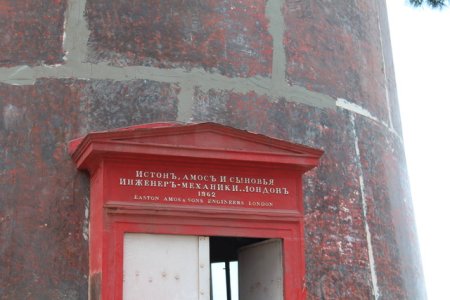
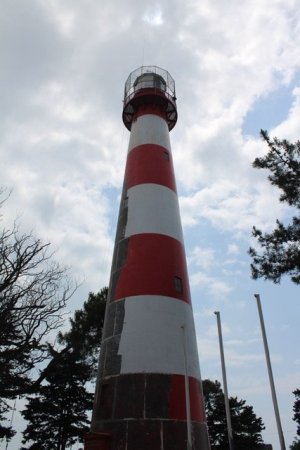
The lighthouse at Poti was under renovation when we were there, but no less interesting. It was a pre-fabricated building, iron pieces, shipped out and bolted together.

IMG_8758.jpeg
IMG_8761.jpeg


We try to fish a lot - it supplements the diet. We mostly catch striped tuna, which are not a favoured tuna by the experts but the head make great crayfish bait, the flesh eat anyway you like and the bones make good soup. We catch them on passage, when if everything is running smoothly - you have more of that time - fillet and deep freeze. As you say when afloat your empire stretches only a few metres, diversions such as making soft shackles soon pale and you hope not to need a major engine re-build - so imaginative ways to supplement the diet become another useful diversion and the deep freeze another godsend. -

Jonathan
 
I think the fermented milk drink you're referring to here is kefir. Kafir has other connotations, esp if you're from South Africa.
 
Well I hope this doesn't jinx it but the seeds have sprouted. Basil growing vigorously, coriander taking a bit longer, and parsley not yet poking its head through. Trying not to leave the plants out in full sun and wind for too long. They smell great, hope they survive long enough to harvest...
 
Top