halcyon
Well-Known Member
Re: Oh for goodness sake - what will your grandchildren say about you?
[ QUOTE ]
There would be no point in doing that, as it is simply not relevant in a debate about man made factors that influence climate change. That there are and have been many influences on climate and global temperatures is not disputed. The issue in the thread is the extent to which mankind has contributed to the present rapid changes in climate change.
[/ QUOTE ]
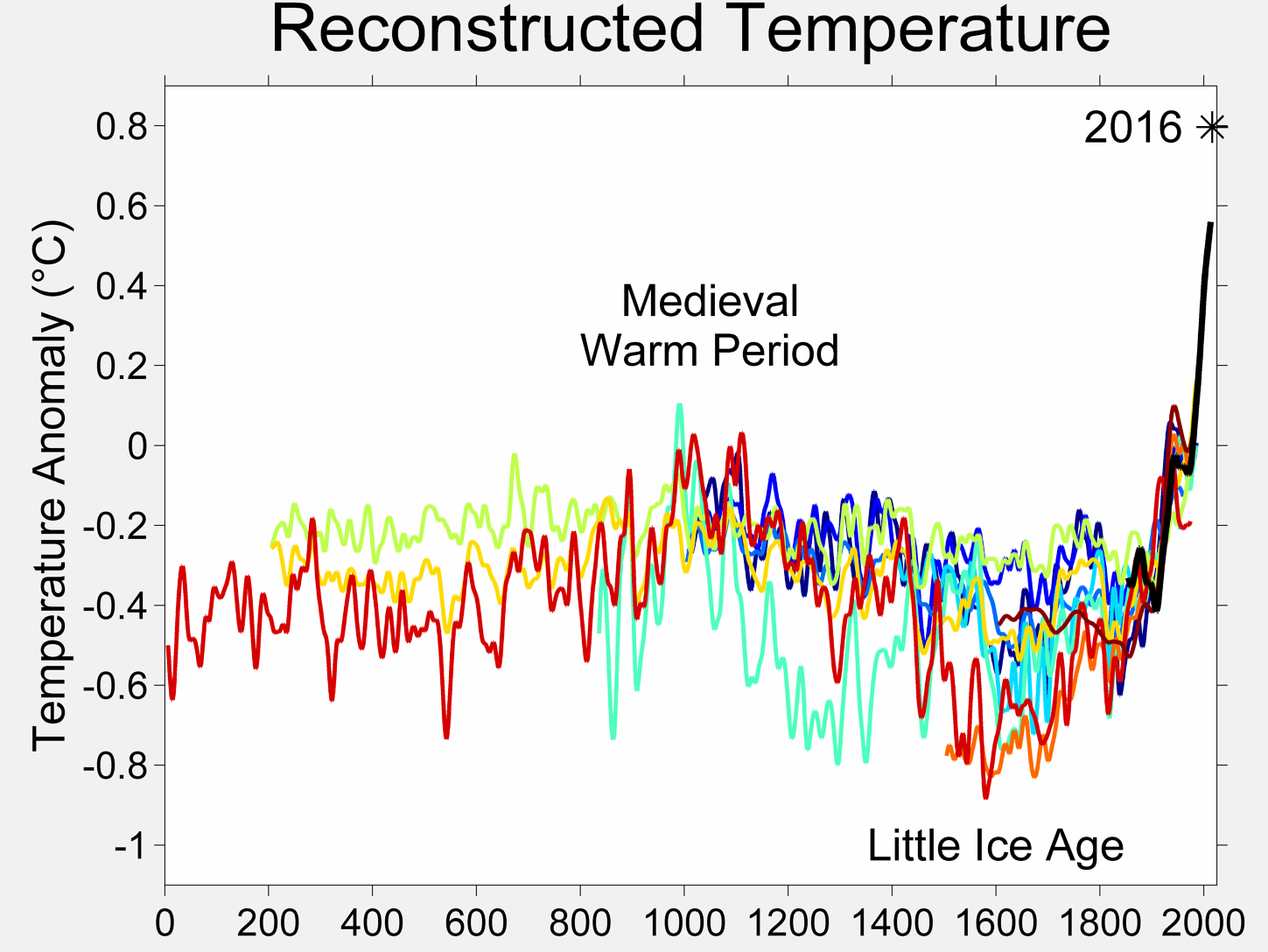
The charts are interesting, let us take 1950, in most caes if I read corretly levels of polutants has doubled since that date.
Growing up in the 50 / 60's I remember the experts telling us we have to modernise, encompass new thinking, new ways of doing things, result the state we have now.
We now have experts telling us we have to moderrnise, encompass new thinking, new ways of doing things.
I think I have been there before.
We have a model of 1950, how we lived, after all a lot of us still here.
Then we delivered bread and milk to the door step in glass bottles, on electric milk floats, bottles were taken back washed and refilled, what is hard in that today ?
This applied to pop, were there was a deposit on bottles, refunded on return, what is hard in that ?
What went down the toilet was converted into fertizer in the bacteria beds, and sold what is hard in that ?
The water that came off was purified, all of it with very little energy.
The shop was local, you could normally live without going farther than 1/4 mile, you walked with your shopping bag, what that was not loose was in paper bags, no super markets or out of town shopping.
If you travelled locally you walked or went by bus, in a number of cases electric trolley busses, or by train.
Everybody had a compost heap, bread was in waxed paper, used for food wrapping ( or polishing the park slide ), what was left was picked up by the rag and bone man and recycled. Land fill was basically dirt, hense dust bin, and dustbin lorry.
Yes we did cut news paper into squares, thread on string, and hang it on the toilet door.
The list endless, but all known technolgy, that could be implemented to-morrow.
It is only experts, or marketing firms that got rid of it.
VW have a new green car on tele, saves so many plastic bags, but they do not tell you haw many plastic bags it took to make, deliver and market. The car is also zero road tax, but has no spare wheel, if it had you would pay road tax as the carbon output would be to high.
Lets recycle, but if we do lets recycle 100% tomorrow, if it's serious lets act as if it is, not this look I've saved a plastic bag, I must go and polish my halo.
Brian
[ QUOTE ]
There would be no point in doing that, as it is simply not relevant in a debate about man made factors that influence climate change. That there are and have been many influences on climate and global temperatures is not disputed. The issue in the thread is the extent to which mankind has contributed to the present rapid changes in climate change.
[/ QUOTE ]
The charts are interesting, let us take 1950, in most caes if I read corretly levels of polutants has doubled since that date.
Growing up in the 50 / 60's I remember the experts telling us we have to modernise, encompass new thinking, new ways of doing things, result the state we have now.
We now have experts telling us we have to moderrnise, encompass new thinking, new ways of doing things.
I think I have been there before.
We have a model of 1950, how we lived, after all a lot of us still here.
Then we delivered bread and milk to the door step in glass bottles, on electric milk floats, bottles were taken back washed and refilled, what is hard in that today ?
This applied to pop, were there was a deposit on bottles, refunded on return, what is hard in that ?
What went down the toilet was converted into fertizer in the bacteria beds, and sold what is hard in that ?
The water that came off was purified, all of it with very little energy.
The shop was local, you could normally live without going farther than 1/4 mile, you walked with your shopping bag, what that was not loose was in paper bags, no super markets or out of town shopping.
If you travelled locally you walked or went by bus, in a number of cases electric trolley busses, or by train.
Everybody had a compost heap, bread was in waxed paper, used for food wrapping ( or polishing the park slide ), what was left was picked up by the rag and bone man and recycled. Land fill was basically dirt, hense dust bin, and dustbin lorry.
Yes we did cut news paper into squares, thread on string, and hang it on the toilet door.
The list endless, but all known technolgy, that could be implemented to-morrow.
It is only experts, or marketing firms that got rid of it.
VW have a new green car on tele, saves so many plastic bags, but they do not tell you haw many plastic bags it took to make, deliver and market. The car is also zero road tax, but has no spare wheel, if it had you would pay road tax as the carbon output would be to high.
Lets recycle, but if we do lets recycle 100% tomorrow, if it's serious lets act as if it is, not this look I've saved a plastic bag, I must go and polish my halo.
Brian